Dr. G. asks:
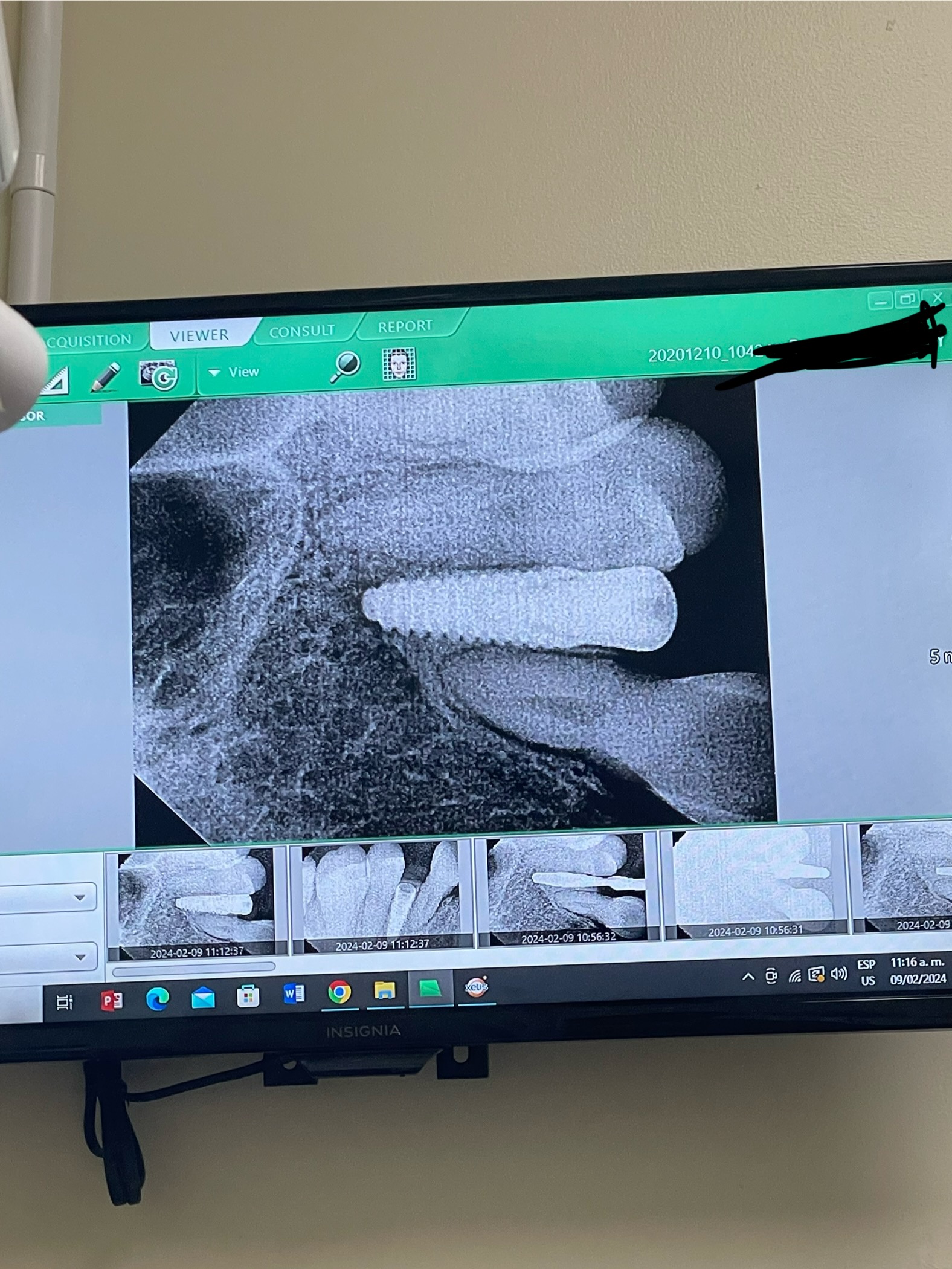
I have a difficult patient who dislikes wearing any removable appliance. She wants her maxillary implant bridges as soon as possible. We are finally at the stage where her maxillary implants are osseointegrated and I can proceed with making the bridges. I do not do a lot of this kind of work. Up to this point I have done mostly single crowns and just a few bridges. I am thinking about placing standard abutments and preparing them and then placing temporary bridges to make sure that the aesthetics are acceptable and the occlusion is correct. After that, I plan to make final impressions at the abutment level and then insert the permanent bridges. In the past I made implant level impressions and then inserted the permanent abutments and bridges at the same time. Anything wrong with making abutment level impressions like I am planning?
Featured Courses
>>More Online Implant Courses

FREE Webinar: Dental Implants and Bone Grafting in the Esthetic Zone
When: 12/02/09
In this one-hour FREE Webinar, Dr. Michael Tischler will outline the published parameters of successful placement of dental implants in the anterior maxilla, the most challenging area of the mouth to restore missing teeth and bone.
>>Learn More and Register Now!

6 Responses to “ Abutment Level Impressions vs. Implant Level Impressions? ”

  • George Moss November 3rd, 2009

    Either technique works. Prepped abutments in the mouth with a good impression and bite. Dental school C&B.

  • mak November 3rd, 2009

    Where is the level of the implant shoulder in relation to the gingival margin? If it’s less than 1.5mm, then placing the abutments in the mouth with appropriate prepping/modifications, followed with good impression technique is dental school C&B, as Dr. Moss has stated.

    But if the level of implants are submerged by 2mm or more from the gingival margin, then clear impressions may be a challenge, and a fixture level impression of the implant positions will probably be more predictable and trouble free at the time of delivery of the final fixed bridge with lab modified abutments.

  • narayan November 3rd, 2009

    How do you plan to provisionalize?If you’re making abutment level impressions you need to provisionalize really well with good marginal adaptation,else you will be dealing with collapsed soft tissue over your margins by the time your final prosthesis is ready.

  • Christo Lombard November 4th, 2009

    Hi Dr. G

    If you are planning a full implant-retained fixed prosthesis with a long span for the maxilla, wouldn’t a screw-retained prosthesis be more favourable in the long term, especially with the retrievability if the prosthesis should fracture? Obviously then you need to do implant-level impressions. I prefer the cementable technique with shorter bridges (on implants).

  • Peter Fairbairn November 4th, 2009

    Cross arch splinting on the maxilla is important and maybe a metal (or Zirconia frame ) try stage to help with bite and vertical dimensions. You can pre-make access holes in the finished bridge if you have any fears . ( eg.pocelain fracture)

  • steve c November 6th, 2009

    Suggest that for a full upper fixed you’re better to get implant level impressions for a screw retained(retrievable) prosthesis. In this method you use the existing healing abutments and denture as a temporary which is more convenient than trying to make temporary acrylic bridges with good margins and proper gingival support.

    The point made by narayn is valid in that if you wish to use a cemented prosthesis you’re still better with implant level impressions and custom abutments to ensure cement margins are not too deep.


Leave a Comment

Comment Guidelines: This is a forum for dentists for intelligent discussion. No insults. No outside links. No promotional comments. Though we require an email to route questionable comments to our editors, we will NEVER publish your email. Patients: Please do NOT post dental questions here. Instead Ask Us or Find a Local Dentist.


Note: At times your comment may not appear on the website immediately, because it has been sent to our editors for approval. Once approved, we will publish the comment. There is NO need to resubmit your comment, if it does not appear on the website immediately.