Dr. Charlton asks:
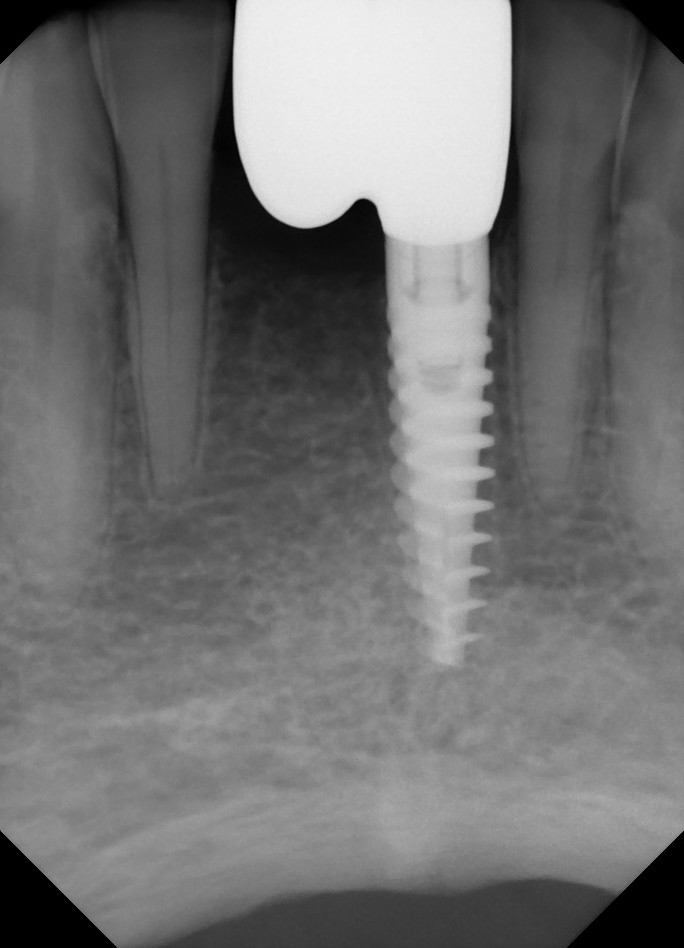
I am concerned about placing pure titanium dental implants.  The alloy implants appear to be stronger. 

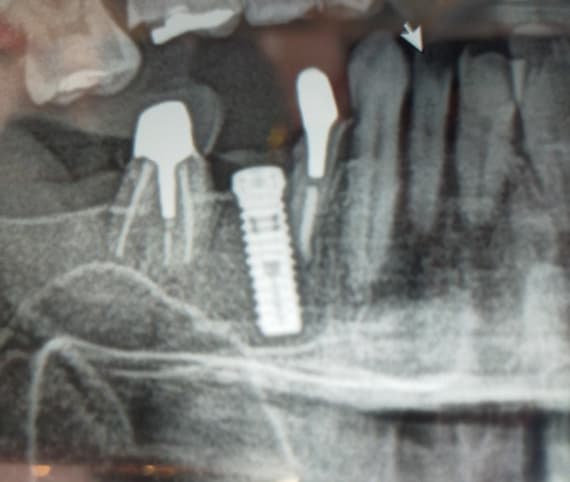
In fact, I have seen dental implant fixtures fracture.  I have discussed this question with one major implant company and they assure me that there is no significant difference in dental implant fixture strength and resistance to fracture when considering alloy or pure titanium.  Incidentally, they have to use pure titanium because their proprietary surface coating will not bond to the alloy.  What is the track record out there with those of you who have used both pure titanium and alloy dental implants? Is there really no difference? Thanks.
Featured Sponsor

Free Daily Email Alert Click Here>>

Get OsseoNews.com Comments delivered daily! Click Here to subscribe.

11 Responses to “ Alloy Implants ”

  • Alejandro Berg July 25th, 2006

    Dear Dr. Charlton:
    In relation to your question… pure titanium is the way to go, eventhough there are studys that show good rates with titanium Aluminium Vanadium alloys. After 35 to 40 years of comercial use of pure titanium implants the record speaks for itself, the percentage of fracture at fixture level is extremely low allmost to the point of not even been considered in most studys.
    I have seen fractures too but to tell you the truth they were due to the dentist and not the fixture itself.
    In the near future there will be Zirconia implants available and then you will be having more questions but for now go with what works and it works just fine if you consider that we have placed over 2500 implants of different brands and types with a 99.3% success rate at 12 years and not a single fracture.
    Cheers

  • Albert Zickmann July 25th, 2006

    Dear Dr. Charlton,

    There is a significant difference between alloy and pure titanium in strength.
    You can easily google the physical properties for the 2 alloys and you can see for yourself.

    One of the surfaces that works only on pure titanium is TiUnite and I have a couple of pictures of fractures with the 3.5 mm implants.

    I am involved in the design for Blue Sky Bio and for that reason, at this point we choose make implants and abutments only out of the alloy. There are many superb surfaces including ours, that work great on the alloy and I do not see a good reason for the pure titanium.

    Best regards,

    Albert Zickmann, DDS

  • Anonymous July 25th, 2006

    Dear Dr. Berg,

    I am very concerned about Tiunite pure titanium implants. I have had 3.5 mm implants fracture more than 10 times. I have had a 4.3 groovy fracture. I am using other systems for my referrals and I am steering away from it in the small diameters. Fracture is occuring more frequently then I can remember. My colleague stated that the HA coated implants of Nobel Biocare are titanium alloy. If pure titanium is better then why have a different metalurgical make up for an HA coated implant?
    Tiunite is grade 2 titanium. When Sterioss was purchased by Nobel the implants they were currently selling (Nobel) were grade 4. Sterioss was titanium alloy. I found out that the difference between 1,2,3 and 4 is compression of pure titanium. Grade 4 is the most compressed giving strength and density. The lesser the grade the weaker the metal. We found that Nobel uses grade 2 because Tiunite will adapt better to that grade versus grade 4. Grade 4 being too dense. Couple this with very thin walls at the connection and fracture is very feasable.
    There is a problem.

  • Dennis Nimchuk July 25th, 2006

    There is now ample evidence that titanium alloy osseointegrates as well as pure titanium. Pure titanium, or grade one, two or grade three titanium is significantly weaker than alloy and produces problems with double broaching of external hex interfaces and of fracturing thin walled internal connecting implants. Repetitive stress fatigue can and does induce implant wall fractures even in alloyed material but significantly more so in grades three or less. To create the TiUnite surface the metal must be softer to allow the burn-in surface topography. So if your implants are subjected to oblique or excessive forces or if there is not a good complement of teeth to created balanced occlusal support you would be prudent to use wider diameters and of course use titanium-alloyed implants.

  • Anonymous July 26th, 2006

    I have also been doing implants for 30 years plus. The Ti alloy is the best way to go. I agree the others are just soft and is subject to fractue and other problems. The TiUnite is just too soft and WILL fracture. Stick withe the hard alloys and use good dental biological principles.

  • Anonymous July 31st, 2006

    I just love comments like this one in the second post;

    “we have placed over 2500 implants of different brands and types with a 99.3% success rate at 12 years and not a single fracture.”

    What utter nonsense!

    Regards,

    Bill Schaeffer

  • Jerry Niznick August 2nd, 2006

    In 1982, the Core-Vent Implant was launched and it was attacked for being alloy, by the Branewashed supporters of Nobel Pharma (early name for Nobel Biocare). In 1990, Adel published the 20 year results of the Branemark Implant study…9 years earlier he had published the 15 year results so it was particularly interesting to figure out why he was 4 years late on the 20 year report. A close reading revealed that for implants with 10-15 year follow-up, 16% of the Branemark pure titanium implants in the maxilla had fractured and they were still being counted as successes if the stump remained osseointegrated. I widely circulated these results and confronted Albrektsson at the 1990 AO meeting in Vancouver when he was on the podium. He sidestepped the question by denying that was what the article revealed, saying in front of 700 dentists that I read the literature like the devil read the bible. To paraphrase another saying, the devil is in the details and those details were correct. Yet Nobel continued to sell pure titanium Branemark external hex implants to this day because to change would blow their marketing story of being the only system with 20+ years of clinical studies. They continued in the face of mounting evidence of fractures…and even introduced a 3.3mmD implant that they said should only be used for laterals. I believe the FDA or fear of litigation made them take that off the market eventually. When Steri-Oss introduced the Tapered Replace implant in 1998, it was alloy as every internal connection should be. When Nobel took over and eventually launched TiUnite surface, they had to revert to pure titanium for that implant but left the HA one in Alloy.
    The early Screw-Vent implants had a history of fracture until I stopped selling them in CP titanium by 1990 and also increased the wall thickness from .016″ to .020″. This is in contrast to the walls of the 3.5mmD Nobel Tapered Replace Tri-lobe implant of .009″ and the 4.3mmD Replace with only .012″. When Steri-Oss increased the diameter by .8mm (.032″), they made the mistake of also increasing the cross-section of the Tri-lobe so that the walls only increased by .003″ or 1/5th of what it could have if they used the same Tri-lobe for both diameters.
    Implant Direct is the only implant company offering an implant with a compatible connection to the Nobel Replace implant. We call it RePlant. I make it out of alloy for added strength but to stick with the same platform diameters and body shape of the Replace implant so it can be inserted with Nobel’s drills, I could not increase the thickness of the walls.
    But now I have the answer for those who want a color-coded tri-lobe connection that accepts Nobel’s abutments without the same high risk of fracture. That answer was to also offer a 3.7mmD option with a 3.5mmD platform and a 4.7mmD option with the 4.3mmD platform. The body shape of these implants will match that of the rest of the Spectra-System implants from Implant Direct that can be inserted using Zimmer’s Screw-Vent drills. This increases the wall thickness of the 3.5mmD implant from .009″ to .013″, a 44% increase, and for the 4.3mmD implant, an increase from .012″to .020″, a 66% increase. The added advantage of this design option is that when you use Replace or RePlant tri-lobe abutments, the junction between the implant and the abutment provide a platform switching transition. The two wider designs also taper evenly from the top to the bottom providing for bone expansion in soft bone and less stress concentration near the crest.

  • Robert J. Miller August 3rd, 2006

    There are actually two grades of TiAlV alloy being used - Grade 5 and Grade 21 ELI (extra low interstitial). The advantage of alloy is certainly fracture and deformation resistance. However, grade 5 has a unique problem. When a crack developes, it becomes self propogating as in a crystal. In grade 21 ELI, it shares the strength of Grade 5 with the ductility of CP titanium making it more resistant to cleaving and greater cyclical load to fracture. The only reason most implant companies don’t use it is because it is more EXPENSIVE (aka reduction of profitability). There are new implant systems employing this grade and you should consider it.

  • Jerry Niznick August 4th, 2006

    The titanium alloy classified as 21 ELI is considered medical grade and to my understanding should be used by all manufactures. I certainly have never used anything but this grade since 1982 when I first introduced the Core-Vent Implant in alloy. The cost savings of using the Grade 5 alloy would only be about 10 cents an implant so I doubt that anyone would use it to increse their profits, when the average cost of an implant from any of the major companies is $300+

  • RAY HOFER April 24th, 2007

    I am a manufacturer of small titanium parts for the aerospace and medical industry. there is a big cost difference between Eli grade and regular Cp grade titanium and I am sure there are manufactures that take short cuts. you should be able to get material certs with lot number traceability otherwise who knows what you are getting, especilaly with all the cheap overseas stuff now coming in. buyer beware!

  • Australian Dent March 23rd, 2008

    Can anyone refer me to a peer reviewed contolled clinical trial looking at longevity of titanium alloy implants any company?


Leave a Comment

Note: Please refrain from ad hominem attacks, and promotional comments. Outside links are not permitted in comments. Though we require an email to route questionable comments to our editors, we will NEVER publish your email or use it for any other purpose. Thank you for your understanding.

Note: At times your comment may not appear on the website immediately, because it has been sent to our editors for approval. Once approved, we will publish the comment. There is NO need to resubmit your comment, if it does not appear on the website immediately.

Sat May 17 2008

FREE Weekly Email

Keep current on the latest dental implant discussions! It's Free!

>>Click Here to Subscribe to OsseoNews.com Now!

Sponsor