Dr. Starhan, asks,

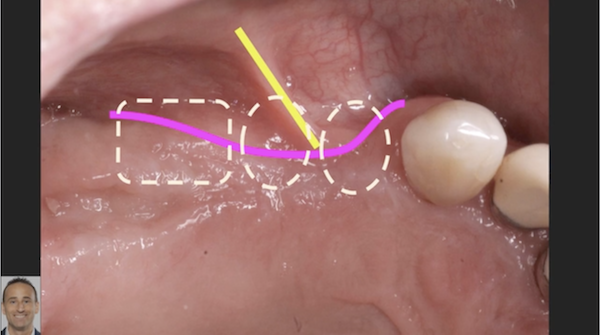
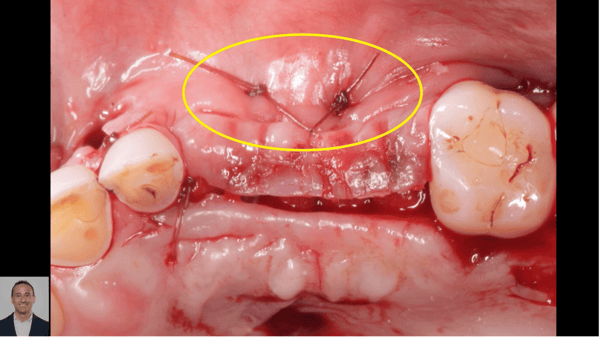
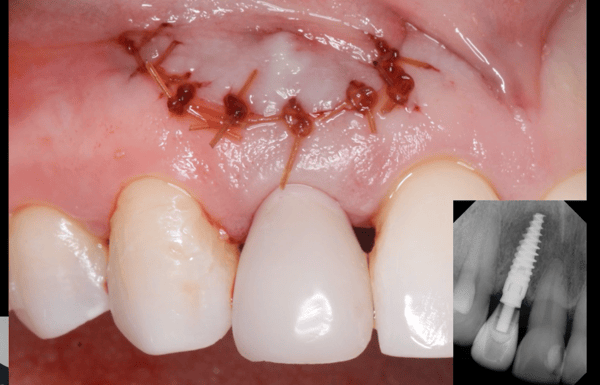
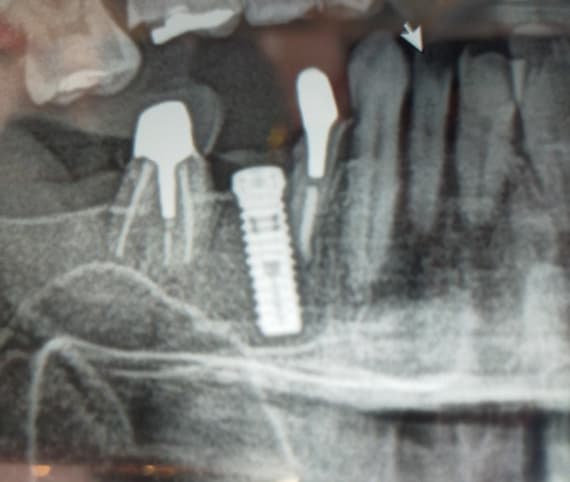
I have recently been reading up on Alveolar Distraction Osteogenesis and I’m interested in getting feedback from practitioners about their experiences with this technique.

Specifically, in which cases should distraction be used? What kinds of complications have you encountered? Has the procedure improved your esthetics? Any other practical information you can provide about the technique, would be appreciated. Thanks.

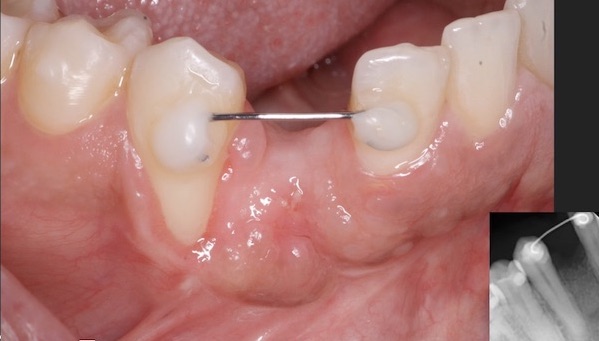
OsseoNews Editor’s Note: Alveolar distraction osteogenesis is a novel approach to alveolar augmentation. The method offers the potential for increasing alveolar bone height and width while avoiding many of the risks associated with bone grafting. This technique has been used under special circumstances in patients whose options are limited, but ongoing clinical studies show promise for much wider application.
Featured Sponsor

Free Daily Email Alert Click Here>>

Get OsseoNews.com Comments delivered daily! Click Here to subscribe.

8 Responses to “ Alveolar Distraction Osteogenesis ”

  • Dr. Klassman January 24th, 2007

    I have used distraction to treat 2 patients. Both had significant multi tooth vertical defects. The first case we moved the segment 4 mm and the second 9mm. I used the ACE system and it went well. Guidance was not an issue, need to overcorrect a couple of mm. mcalister reports on the technique beautifully and i felt it was easy to use. More predictable for vertical gain than blocks and it increases the soft tissue with it. Win win scenerio. Segmental osteotomy was a bit interesting sice i am a periodontist but the oiezo surgery system will greatly enhance it. Good luck. PS the people at ACE especially Dr. Carchidi were extremely helpfull.

  • Daren Rosen January 24th, 2007

    I have found that although bone is generated with distraction, during implant insertion it is still necessary to add additional bone around the fixtures because the bone created between the segments is often narrow. Chair time is also somewhat increased with DO (need several postop visits until the patient is comfortable turning the screw) - and especially in the maxilla the vector can go more palatal than expected. On the other hand, using the sandwich osteotomy with an intermediate graft, I use a similar osteotomy as for DO and in a single procedure with less postoperative chair time I get similar if not superior results. Lastly, the distraction devices are not cheap and I am not sure the technique is cost effective at this time. All being said, the technique does work and new bone is generated between the segments. I would only recommend DO to maxiloofacial deformuty patients for there DO does have some advantages over other procedures.

  • Robert J. Miller January 25th, 2007

    If you are distracting an angulated segment, you retain that angulation in a more coronal form. You must choose a ditractor that has more than one plane if possible. The other problem, unlike onlay grafts, is that when a distracted segment fails, you end up with a significantly larger defect than when you started. This is more than inconvenient. Regenerating additional bone in the failed site becomes astronomically more difficult. Patient variables and compliance are additional constraints. Unless you plan to do the procedure often, stick to ridge splitting, inlay, and onlay grafts. You will sleep better at night.

  • Matija Gorjanc January 29th, 2007

    After performing four DOs of alveolar ridges and more than 70 OBGs, I can assume that DO is probabbly the best technique for vertical augmentation. It is superior to other methods in the cases of large vertical deficiencies (>5mm) and in the esthetically demanding regions, because soft tissues follow the bone more predictable. We have used the Medartis-Modus V and V2 distractors that were simple to handle. I think that the method is not the first choice of treatment for posterior maxilla (Sinus Lift!) and for the posterior mandible (short implants!). Narrowest segments to be distracted should not be less than 2 teeth gaps and the procedure is most confortable for the patient if performed in GA.

  • Gabor Balogh May 8th, 2007

    Distraction can work great for large vertical defects. I used the Lorenz type and they come in various sizes and there are shims to change angulation if needed. It is quite pricey but they all are.
    The one note of caution is if the tissue opens up during the initial healing period then it’s a nightmare to close. And you can’t advance the screw until you have complete closure. Ideally the incisions should be vestibular

  • krishnan sriram October 14th, 2007

    I am a practicing oral & maxillofacial surgeon in India and i am really interested in alveolar distractions. I heard a lot about the excellent results of ACE system but i am unable to use the “ACE Surgical’s OGD(TM) (OsteoGenic Distractor) System” as its not available over here. Can anyone tell me about any other alternatives and your experiences?

  • Dr.emre October 16th, 2007

    besides the advantages of alveolar DO there are many complications about it. as dr. Gabor Balogh said the insicion is very important. positioning the incision at the vestibular gingiva is the best choice for my knowladge. also you should know the direction of your DO. you may do it on a sterolitograghic model before you operate. by some operations with the help of CTs and models you can gain experience about the movement vector of the alveolar distractor. i recommend you to examine the directon of the distractor before you close the flap if there are any boney or soft tissue obstacles for the segmental movement. i havent experienced a narrow bone formation after alveolar DO. time is the most important factor here i guess. you should wait for 6 months or more some times. and covering the gap with a membrane under the distractor maybe helpful.

  • Bruce McKelvy October 18th, 2007

    To RAC-I think you should see a periodontist for an evaluation for your lower front teeth. The cuspids need to be very sound also (ie bone around them) before you consider a bridge. A bridge to the lateral incisors is not a good idea.
    To Karen-It would appear from your symptoms that the grafts are failing and there is significant inflammation and most likely infection. Get a panoramic radiograph taken as a preliminary diagnostic tool and see the surgeon who placed the grafts and implants for a clinical exam.
    To Ricki Gowen-Invasion of the mandibular nerve canal has occurred-it could be direct damage to the nerve, bur damage etc or it could be pressure from the graft material or the implants invading the canal. If symptoms aren’t resolving at this point after that many months then they probably will not. If your surgeon is in denial seek another opinion.


Leave a Comment

Note: Please refrain from ad hominem attacks, and promotional comments. Outside links are not permitted in comments. Though we require an email to route questionable comments to our editors, we will NEVER publish your email or use it for any other purpose. Thank you for your understanding.

Note: At times your comment may not appear on the website immediately, because it has been sent to our editors for approval. Once approved, we will publish the comment. There is NO need to resubmit your comment, if it does not appear on the website immediately.

Mon September 08 2008

FREE Weekly Email

Keep current on the latest dental implant discussions! It's Free!

>>Click Here to Subscribe to OsseoNews.com Now!


Sponsor