Bone Deteriorating Around Dental Implant
Print This PostStanley, a dental implant patient from NY, asks:
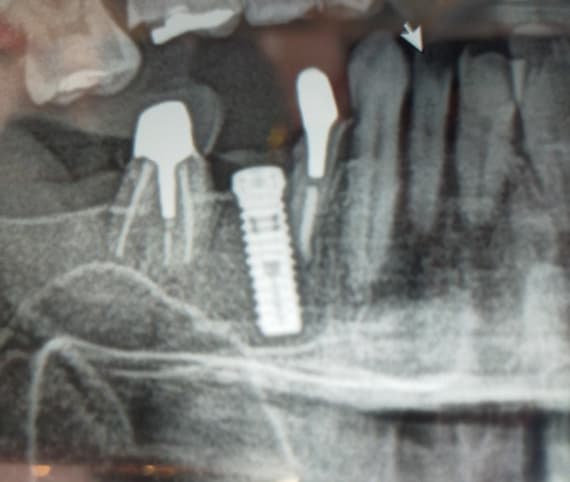
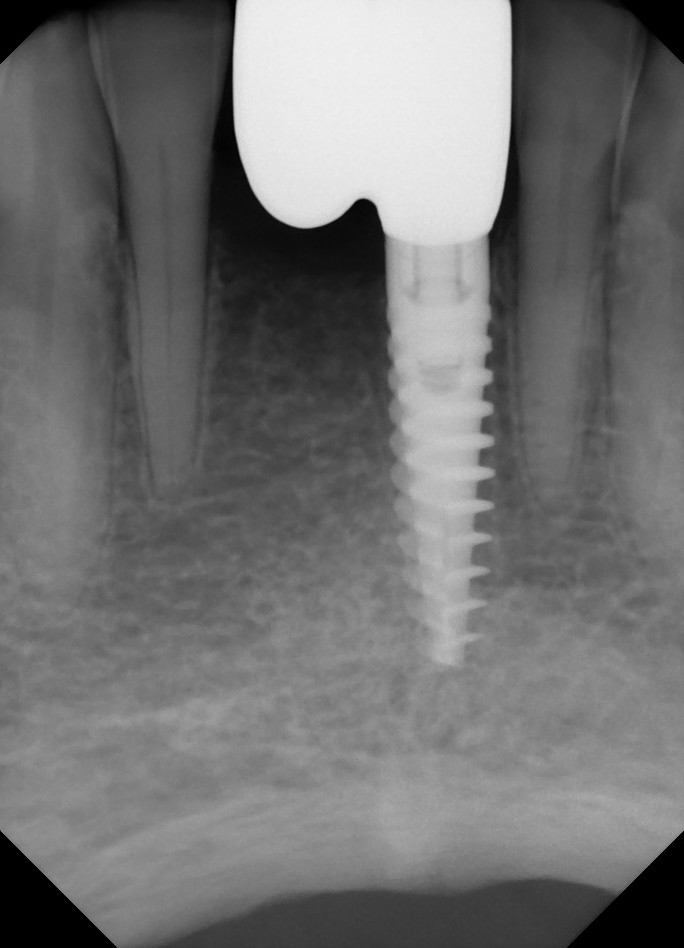
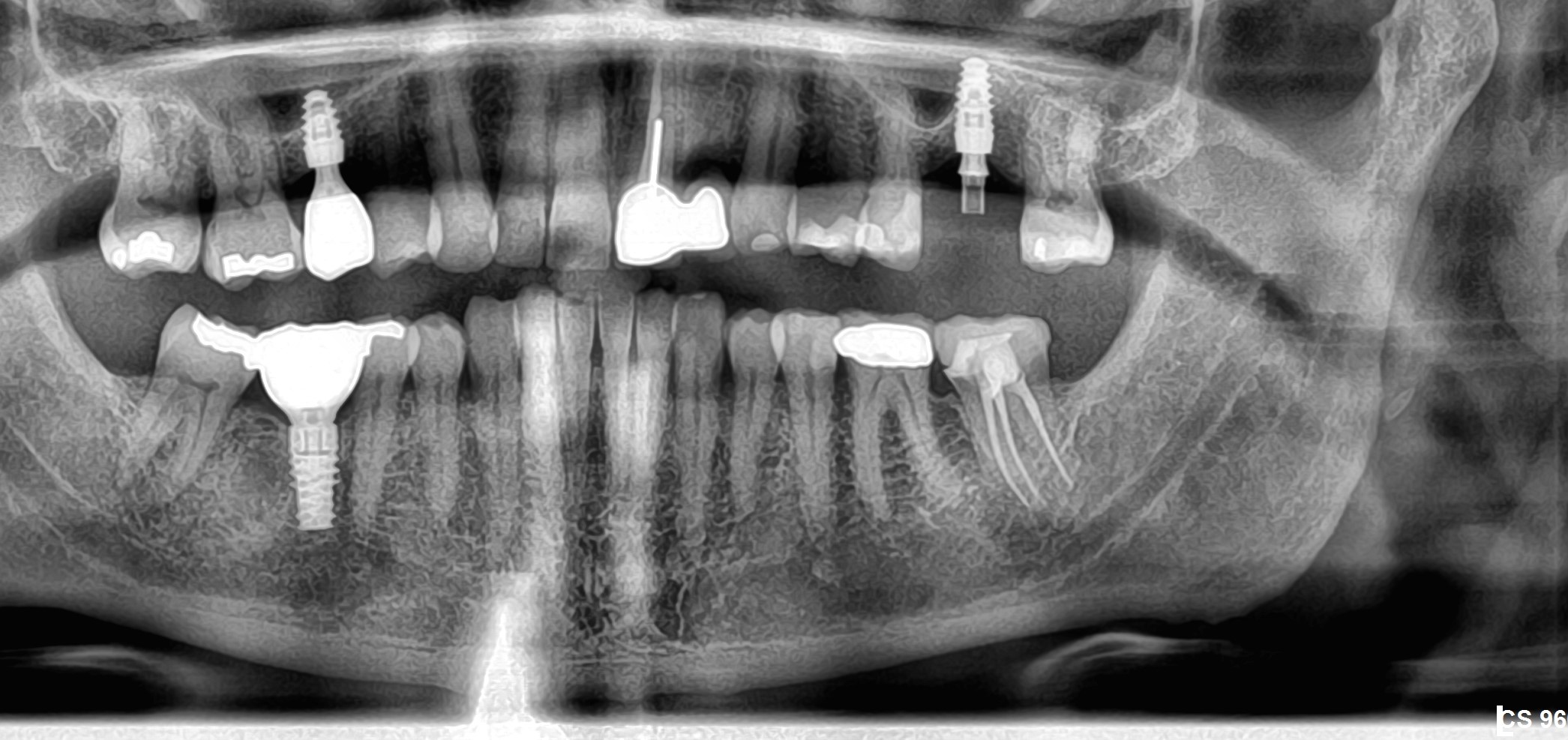
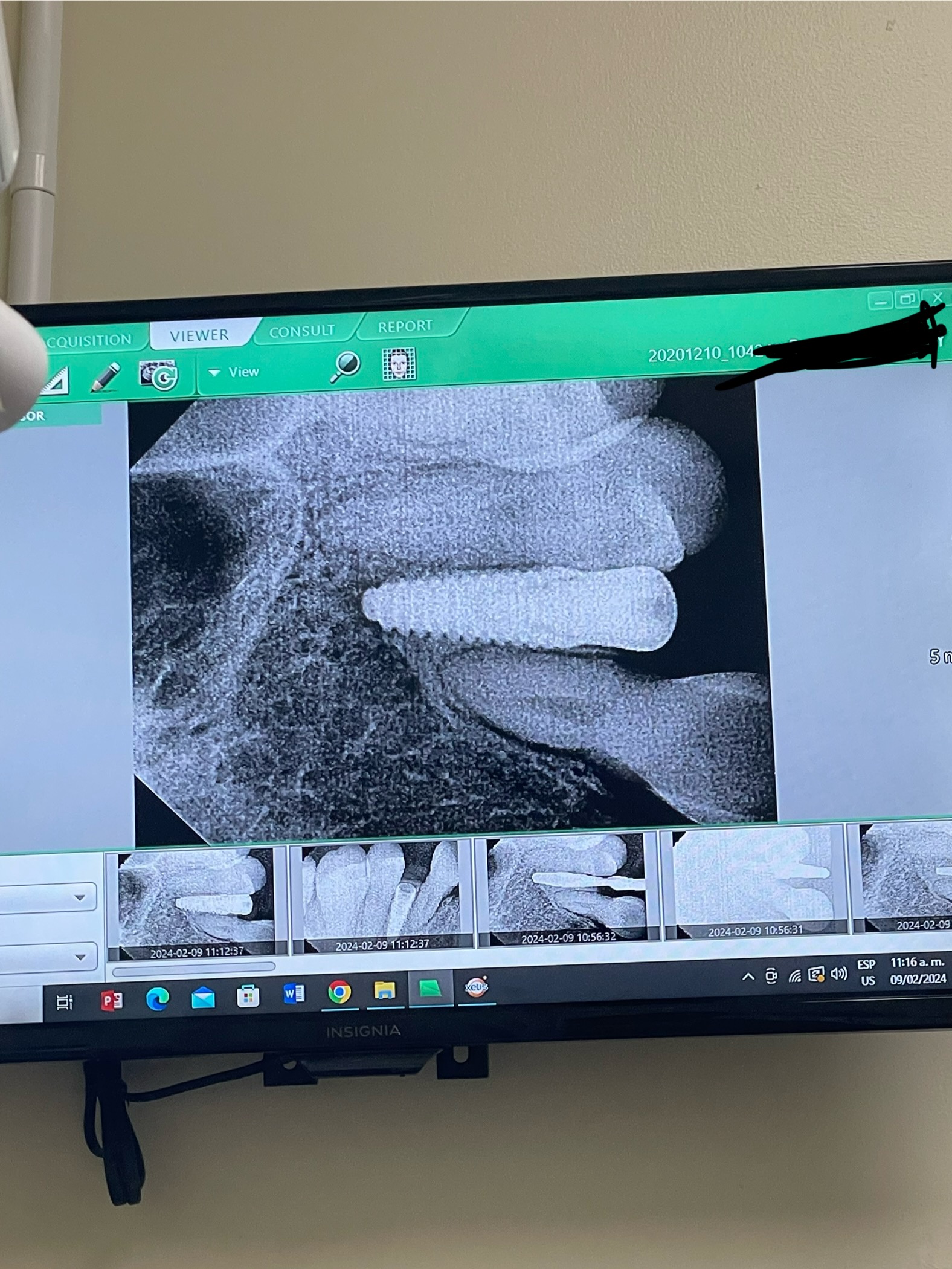
I had dental implants placed across my entire upper jaw about eighteen months ago. Everything went smoothly. Recently, however, I went to my dentist and after taking a few x-rays, he told me that the bone around one of my implants was deteriorating rapidly. The dentist had never seen this before and I was told that I need to immediately remove this dental implant and have another one placed to preven the bone loss from spreading.
However, I am concerned. Why would bone deteriorate around the implant? What is causing this? Is removing the dental implant the best option? How would bone deterioration be prevented in the next implant? In case it matters for an answer, I was told that the dental implants used in this case are Straumann implants.
Thanks for any information you can provide.
Free Daily Email Alert Click Here>>
Get OsseoNews.com Comments delivered daily! Click Here to subscribe.FREE Weekly Email
Keep current on the latest dental implant discussions! It's Free!
>>Click Here to Subscribe to OsseoNews.com Now!
-
Editor Picks
-
Popular Posts
-
Hot Topics
- Locator Attachments: Trouble Picking Them Up in Overdenture?
- Advice for Complication in Creation and Maintenance of an Interproximal Papilla?
- Implant Systems: Commercially Pure Titanium vs. Alloy?
- Type of Anesthesia for Dental Implant Surgery?
- Implants Too Close: Can I Use Orthodontics To Create Space?
- Large Defect in the Labial Cortical Plate
- Abutment Screw Gets Stuck: How to Prevent This?
- Crown 1mm Short of the Margin: Recommendations?
- Suture Lost Exposing the Implant: What to Do?
- Mini Implants in Anterior Mandible: Expectations of Longevity?
- Space Between Implant Fixture and Natural Teeth: How Much Is Enough?
- Options for Provisional Restoration?
- Loose Bio-Oss Particles: Can Implants Be Placed?
- Maxillary Overdentures: What Implant Support is Required?
- Mixing Metronidazole Solution in Grafting Material?
- Sinus Lift Complication after using Summer’s Osteotome Technique?
- Cone Beam vs. Conventional CT Scans: Radiation Levels?
- Sinus Tear: How Long to Wait for Regraft?
- Mini Implants for Long-Term Use?
- How to Avoid Hitting the Mental Foramen Nerve?
Implant Courses
>>More Implant Courses

11 Responses to “ Bone Deteriorating Around Dental Implant ”
need much more information to answer your questions. Your correct in being cautious. Find out a true diagnosis before retreating.
Bone loss around implants and/or teeth does not “spread” unless what has caused the problem exists in other areas also. Without more details, implant failure after osteointegration is due to poor hygiene or overloading.
could this bone loss be due to a microgap bacterial concern???
Stan, we need more information to answer your question. Were the implants splinted? Is there an occlusal interference (overloading) problem on this implant? Was the bone volume adequate at the time this particular implant was placed? To many variables to pin point your problem. This cannot be determined without an exam.
Hi there,
Thanks very much for your responses. I will ask my dentist for more information and post it. But, first, can you please explain what you mean by “overloading” and “splinted”? Thanks.
I have been placing and restoring implants for 40 years. I recently have had 3 cases with widespread bone loss over 6 to 8 implants with a bar overdenture. I agree with the above comments. However If the patient has a history of periodontal disease, smoking, diabetes, high blood sugar, drug use, some medications such as the biphosphenates, etc., expect problems such as this. I am beginning to think that we rarely have the opportunity to place implants into a perfectly healthy patient. There is always some degree of health problem. I think we need to start thinking about how we get away with what we do in the mouth rather than expecting every case to be a miracle and inform the patient, we are going to have problems.
Harold Bergman
Need more information. Overloading could be the culprit. I have seen cases where residual cement was the problem. Perhaps it was placed in a site that needed grafting. The microgap is not the cause of rapid bone loss. Once the implant integrates start to look at prosthetic issues.
Too little info to diagnose…sorry
First, the bone loss about one implant will not cause bone loss about the other implants. The other respones above are correct, we need more infprmation. There are a number factors that may help the bone loss to get worse, but the number cause of tooth loss is bacterial. The number one cause of bone loss and implant loss after loading is also bacterial. I would look at the location microgap, it be the main cause.
The real cause of causes is the powerful gravity, than insufficiently balanced restoration in a diminished intra-oral space, ill tongue posture, certain premature occlusial contact, bone loss, gap development and only after all of this pore hygiene and infection.
Can it spread? It may. It depends on degree of gravity satisfaction.
For prevention of this kind of complications every implant case need to be prepared before loading with restorations.
Trauma from Surgery ( e.g. Periosteal Reflection)
Smoking
Hormonal Disorders
High C/I Ratio
Low Bone Quality or Lesser Bone Density (D3 & D4)
Dynamic Load versus Static Load (Loose abutments or ill fitting restorations)
Fixtures with close proximity to Cantilevers
Occlusal Trauma (Overload or Biomechanical Stress)
Establishment of an increased Biologic Width.(normal 2mm epi. &1.5mm conn.)
Plaque Accumulation and Bacterial Invasion
Level of Microgap between Abutment and Fixture
Autoimmune Response and Cytokine Release (Controversial)
Crushing of Marginal Bone and Microfractures due to Installation Stress of Self -Tapping Implants.
Not enough space between two implants or/ an implant and natural tooth.
IMPLANT DESIGN : ( Crestal Modul not Divergnt and/or Polished Collar)
These are all causes of bone loss around implant necks.Check it out.
Comment to Harold Bergman;
I have been placing implants almost as long as yourself, and occasionally am surprized and disappointed in what seemed to be an ideal case gone bad.
I am starting to believe that granulomatous cells that may have developed due to an endodontic infection, periodontal disease,etc…may remain dormant for a time and then come to haunt us again.
Meticulous scraping, cleaning the site with citric acid and antibiotics,grafting, etc., may seem to help in the short run, but I do not believe there is any literature support the fact that 100% debridement is possible.
We try to do everything correctly by following the known protocols, but you never know what is in store for the future with the current solutions we have to solve these problems.
Don’t feel bad Harold, you are doing your best and you are doing a good job; but none of us are Gods.
Leave a Comment
Note: Please refrain from ad hominem attacks, and promotional comments. Outside links are not permitted in comments. Though we require an email to route questionable comments to our editors, we will NEVER publish your email or use it for any other purpose. Thank you for your understanding.
Note: At times your comment may not appear on the website immediately, because it has been sent to our editors for approval. Once approved, we will publish the comment. There is NO need to resubmit your comment, if it does not appear on the website immediately.