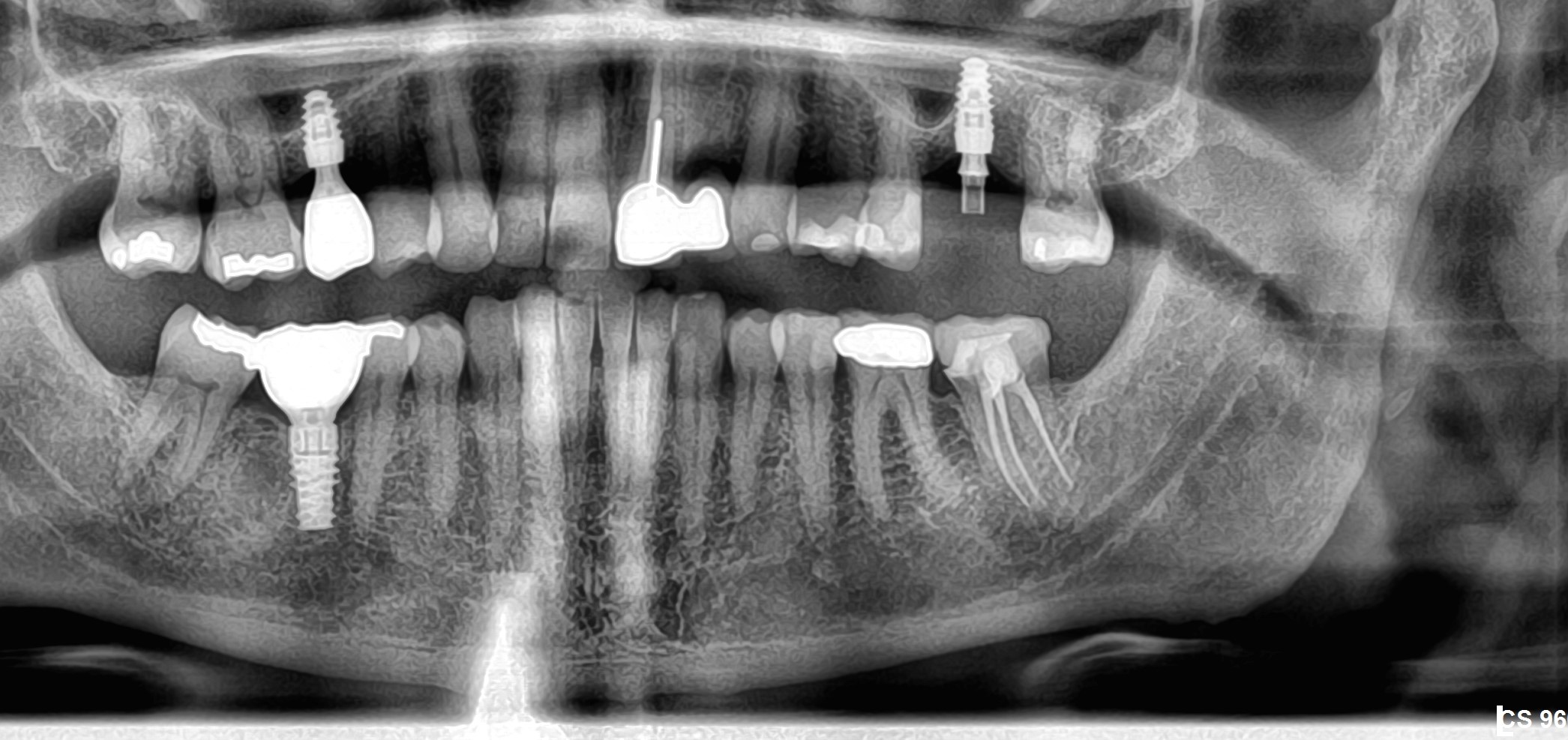
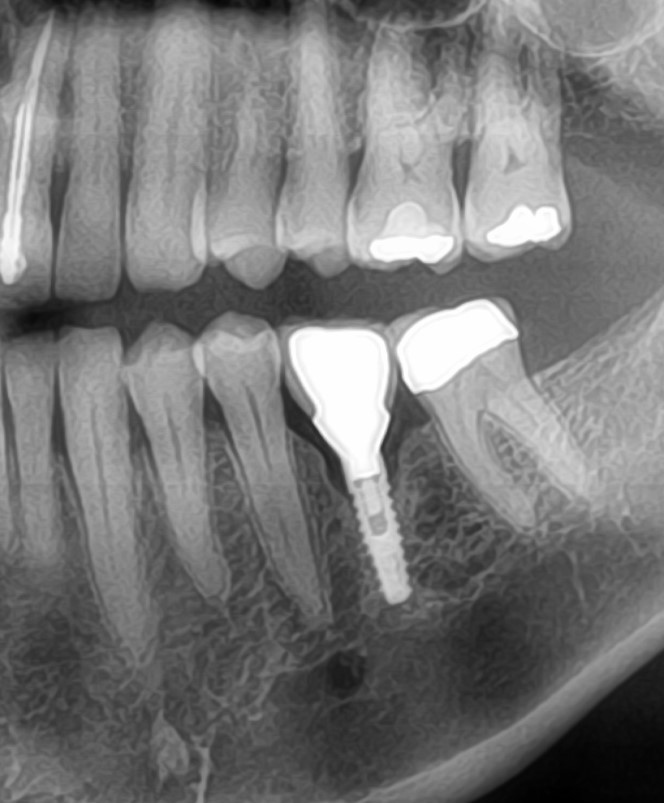
Bone Loss to the Third Thread
Posted in Treatment Planning & Complications
« One Stage Implant Problems | Total Graft Failure and Teeth in Day »
Dr. Marcus asks us:
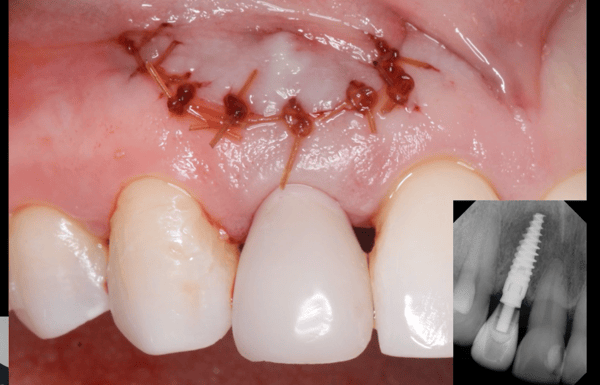
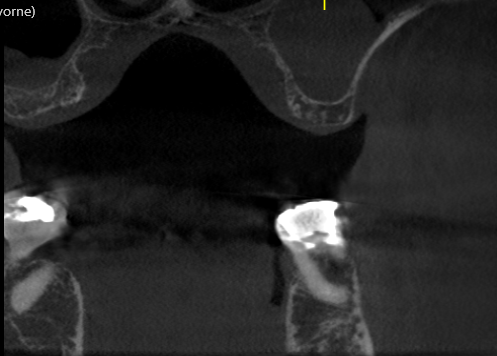
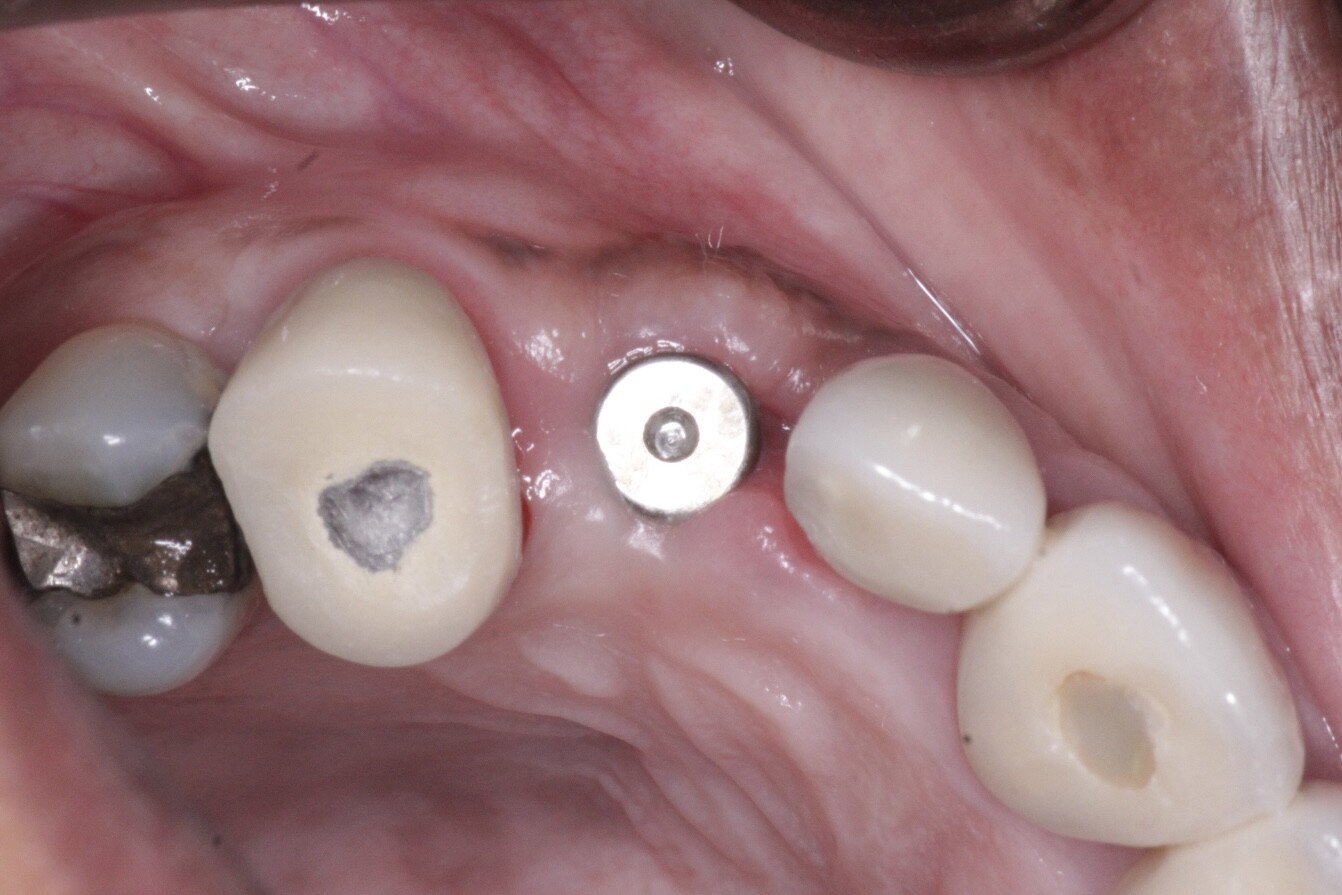
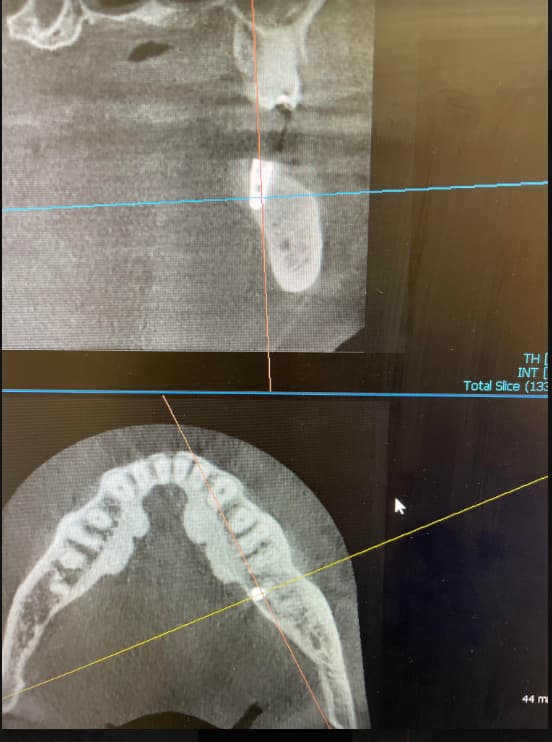
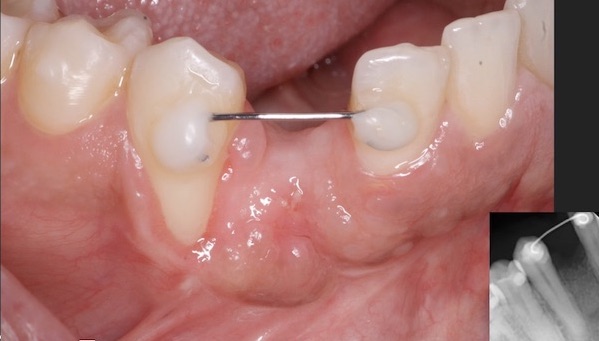
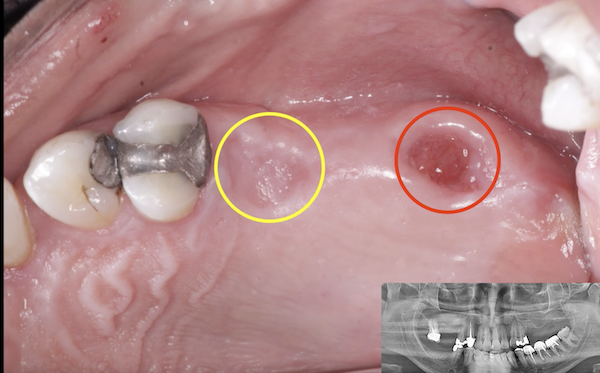
One of my patients has had 5 maxillary 3i dental implant fixtures placed by a periodontist. On checking for the seat of the dental implant abutments, I noted that the 3 anterior fixtures have bone loss, already down to the third thread.
They have never been loaded, just submerged beneath the transitional upper, so I guess there could have been some lateral force on them, but enough to cause this much loss in less than 6 months? Any thoughts? What should I be looking to do? What can happen here? Thanks.
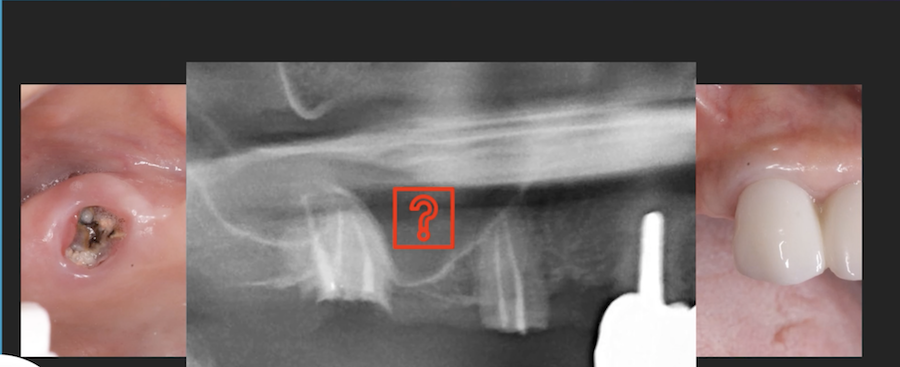
Subscribe to this Post
Take your time restoring this case. I would keep patient in a lab processed temp for atleast 6 months and monitor the case radiographically ,if there ‘s no change then go ahead with completing the case. Explain to pt that you’re monitoring healing and you want to make sure they are fully healed before you finish the case. If theres no change they could stay like this for a very long time. Ofcourse make sure pt is on top of homecare and peridex rinsing would also be a plus.If however the case is deteriorating rapidly then it may be time to remove maybe graft and replace accordingly.
Good Luck
What kind of surface do the implants have. Polished surfaces almost always have recession to the second or third thread. If the threads have a roughened surface then this case has a big red flag. The areas of recession should be troughed and treated with a YSGG Laser. The bone may then regenerate
Most 3I implants have a smooth surface down to the third thread at which point their “Osseotite” roughened surface begins. I believe it is not uncommon to see this bone pattern with 3I implants, and unless you see deep probing depths or purulence or bleeding, you’re probably OK. I wouldn’t be surprised if the probing depths are minimal, as what often happens is you have a junctional epithelium starting on the smooth surface, then bone apposition doesn’t occur until the roughened surface begins. In any case, make the patient and your periodontist aware of this now to cover yourself.
I would consider 2 to 3 week course of doxycycline 100mg/day then Periostat for 1 year. Radiographs every 3 months.
Depending upon the implant system that was used, this is normal biologic width spacing. Please refer to previous discussion regarding biologic width. In a nutshell, there is a biologic space between the junction of the microgap and the crestal bone. If the implants have a microgap placed at the level of the crestal bone, a biologic width of soft tissue will occur. Since this width is both horizontal and vertical, you might want to try platform switching. In the future consider implants with builtin biologic width ( ITI standard plus, Prevail etc) and not Nobel biocare stuff.
If they are 3i implants with a machined coronal third, they are nototious for this bone loss. This is why the newest 3i implants d’ jour have etched bodies to the neck region. In the absence of suppuration, DO NOT treat these implants, it is a normal occurence. Better yet, ask your surgeon not to use these implants in subsequent cases.
Excuse me but there is nothing “normal” about bone loss to the 3rd thread of an implant that has just been uncovered. “Biologic width”–I don’t think so. If it were, all implants would lose bone to the 3rd thread which is not the case.We used machined implants for years with the same sucess rate reported with todays implant surfaces. I don’t understand this expectation of bone loss on a machined surface. Please enlighten me why I should expect bonr loss down to my roughened surface.
Problem is all the big companies introduce so many “new ” products so often that no-one has any long term feed back,its launching new ideas for comercial reasons..bone loss depends on how deep the implants are placed it will always occur to the first thread so place the implant accordingly…everyone overlooks Bio-mechanics the most vital aspect in this issue,stress breaking is the key…polished surfaces do not help,platform switching can help but the key is stress management,,
I have the same problem happened with 2 xive implants inserted in the posterior maxilla. I made lab made temp. for 3 month to make progressive loading. The situation does not change, no pus, no complaint. So, I loaded final after informing the patient hoping to have no problem. Waiting for checking in 3 month.
Dr. Tarek
The problem is not loading or the polished collar. Go back and look at you cases. Every time the implant abutment junction is place below the gingival margin there will be bone loss due to the “microgap” harboring the periodontal bacteria.The implant companies say no, but the literature says yes. Now the medical profession is looking at the dentist as to causing a problem. They are are asking “why are dentist implanting a non-cleansable device into their patients” Like JBH said look at the perioseal implant–www.perioseal.com
Arron
Whoever ‘I’ is, you really have no clue about implants. Placing the implant below the gingival margin causes bone loss to the 3rd thread? What kind of science are you using? The possible ‘biologic width’ formation is from the implant/abutment junction and by measurement in any implant system does not even come close to the third thread. So, stop talking out your a@# on this forum and read some literature or do some real research.
| is a vertical bar symbol, not someone’s name.
Spiro Condos and Robert J. Miller are right.
3i implants has the first three threads non etched, and depending how deep you place your implant platform one will expect to have as much bone resoption as 2.5 mm apically from this point (bologic width)and this tipically occurs one or two weeks after second stage surgey or abutment connection.
You must also consider that bucal maxillary bone is very thin and one can expect some bone loss as a result of stress concentration arround the implant neck (stress module).I agree with some of you placing the patient under provisionals and checking sulcus bleeding and pus secretion.
Probably everything is OK and you will not need to do anything else.
Good luck.