Dr. S. asks:
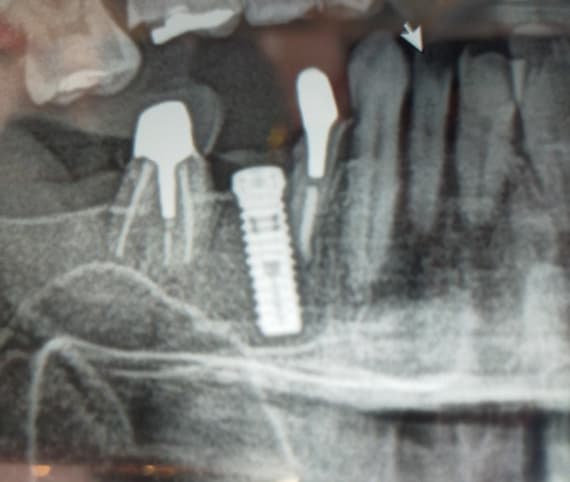
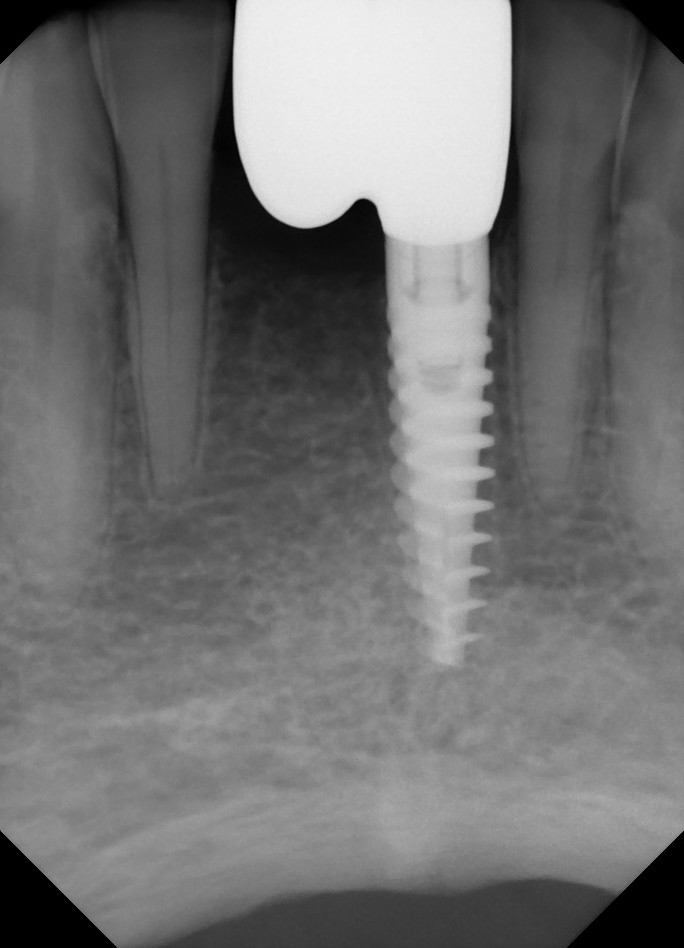
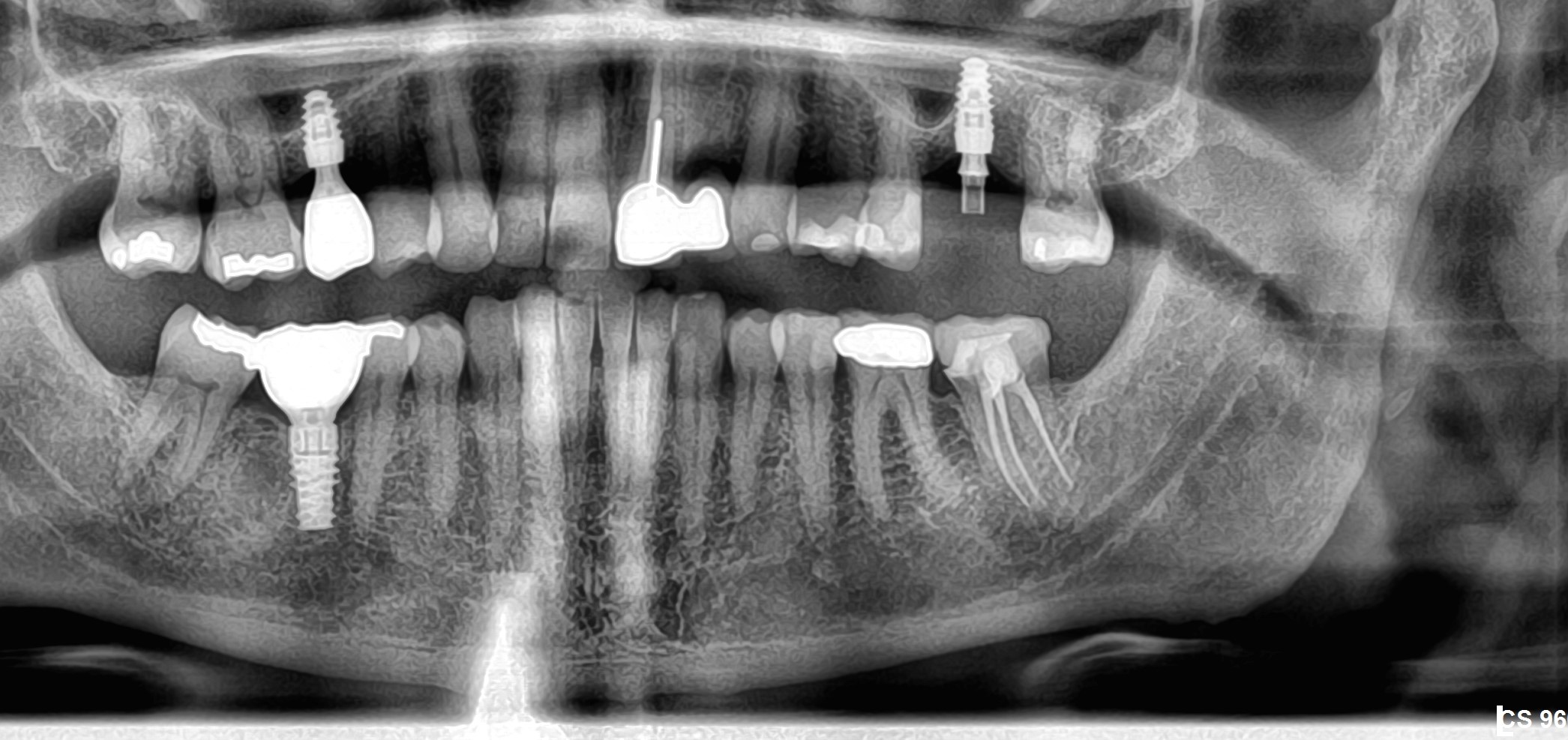
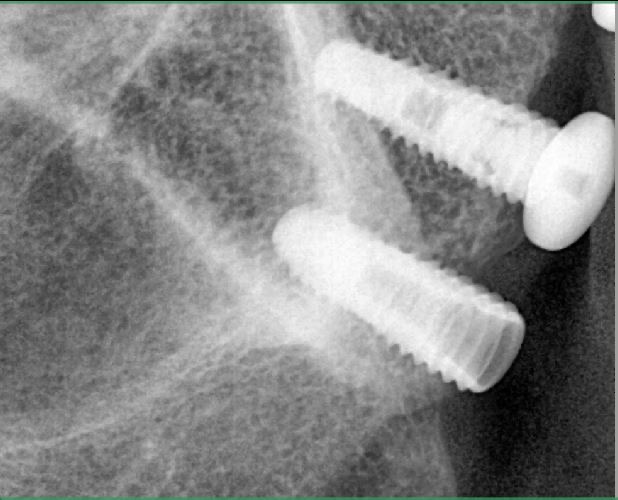
Most of the implant retained mandibular overdentures that I have seen have two implants – one in each canine region. At some of the courses I have recently taken, the lecturers have recommended three implants – one each canine site and one in the midline. They claim that this design provides greater stability to the overdenture than two implants. My concern is that the alveolar ridge form in many patients has a thin bucco lingual dimension that would require considerable reduction to achieve a suitable ridge for conventional implant placement. One authority recommended using a narrow diameter implant (mini) if there was inadequate space for a conventional implant. What are your experiences? Do these narrow diameter implants provide the same kind of support and do they last as long as conventional implants?


Featured Courses
>>More Online Implant Courses

FREE Webinar: Dental Implants and Bone Grafting in the Esthetic Zone
When: 12/02/09
In this one-hour FREE Webinar, Dr. Michael Tischler will outline the published parameters of successful placement of dental implants in the anterior maxilla, the most challenging area of the mouth to restore missing teeth and bone.
>>Learn More and Register Now!

9 Responses to “ Mandibular Overdenture Design: Two, Three or Mini Implants? ”

  • Paul July 14th, 2009

    Are mini’s as good as conventionals? No, I don’t think so. But they certainly beat nothin’. If there’s enough bone, I prefer 4 locators, 2 anterior and 2 posterior to the mental. Often times, there’s only enough bone in the anterior, though. In that case, I prefer 3 locators (if there’s enough width for conventional) or 4 mini’s if there’s not enough width.

  • Dr.Abhijeet , India July 14th, 2009

    Well there no second thought that theres no substitute for an implants but mini implants are the clever options avialable in the market for an implant.Well for an mini implant the diameter of the bone required is also less and they definitely provide a good functional stability to your prosthesis (Overdenture , Crowns) Well in case of bridges there placements need a lot of considerstion.But yes for your question you can opt for any number from two to four mini implant for an denture /overdenture placements as theres also an concept which says “ALL FOR FOUR IMPLANTS ” so things vary from case to case and from Dr to Dr.

    Regards

  • Bruce G Knecht July 14th, 2009

    Conventional impalnts beat Minis every time. If you place three try for four. it will be more stable. The conventional implants have more versitility in case the pt wants to add implants to make a fixed case.

  • Ron H-- Prosthodontist July 14th, 2009

    In the Mandible, 2 implants in the canine region for an Overdenture and Locator attachments works excellently well compared to a conventional CD. The pt must be informed that it still must move somewhat or else it will overstress the implants. Once you get to 3 or 4 implant you might as well do a Fixed Hybrid, which can be done with as few as 4 implants, especially opposing a CD. The problem with Overdenture instability is increased when the anteriors are placed anterior to the ridge. This is practically always in the Maxilla and sometimes in the Mandible. As usual,a well informed pt with reasonable expectations will generally have the most consistent and predictable success.

  • Ron H-- Prosthodontist July 14th, 2009

    * implants

  • Ron H, Right On!

  • Ryan Dunlop DMD July 15th, 2009

    Good post Ron H, I totally agree. I always do 2 implants in between the lateral incisor and canine areas (more anterior to prevent rocking of a class I lever rather than a class II lever, which rocks much less under occlusal load). Locators are superior to bars every time, and three implants doesn’t add anything to my patient’s function. And I really see no reason of using 4 implants for a mandibular overdenture because you can make a fixed hybrid using the “all on 4″ technique for a little more of a lab fee. There is very little reason for a maxillary overdenture anymore with the all on 4 unless the patient requires a full labial flange for esthetic reasons. In my practice the most common full mouth reconstruction is the all on 4 upper and overdenture 2 implants lower unless the patient can spring for the all on 4 lower. And if the patient wants to convert from overdenture lower to fixed lower, they only need 2 more implants posterior to the ones they already have, which if you placed them between the laterals/canines, they are already in ideal position.

    Good luck!

  • John Willardsen, DDS August 15th, 2009

    After 10 years of practicing implant dentistry and learning that once you finish a case, that is it, you need to get new cases and also you want to see these patients on follow up only and not for replacement of attachments or loose dentures etc. All the patient remembers is that they paid a fee and the were getting implants. Often times in their mind they don’t realize there are many different types of implant prosthesis’, so if they have implants and a loose denture 5 years after it was done, I have found that they are many times frustrated. Even though you explained all of their options before you went ahead with the finalized treatment plan. Two implant attachment dentures will always become a problem at some point. And you can not charge enough for the clip replacements and the number of times you will see the patient over the years. It is not all locator patients, but all it takes is one or two and they can became very difficult. I have found in my hands and stress level, I will only place 4 or more implants and treatment plan them for a milled bar with PD or Bredent attachments, strategically placed, or even better I will place 5 or 6 implants, give them locators as a temporary, and tell them they are temporary until we do a fixed prosthesis. Or if finances permit go straight to a fixed prosthesis and avoid all the headaches. Attachments I have found give the patient a false sense of security and they blame you when the denture loosens, even if it is after 5 years. Our tongue is very strong and I have seen patients who will show me that they can remove their denture with their tongue and they dont think they should be able to do that because they have implants. Just a word of caution, Implant Dentistry is great, but control your stress and look out for possible future problems with patients and try to avoid them. trustimplants.com

  • Dr M August 20th, 2009

    I totally agree with Dr Willardsen.It is very stressful managing follow-up of patients with loose overdenture attachments, fractured acrylic adjacent to attachments etc,etc….Time-wise, this can be quite substantial, when you add it all up thru’the years. Patient’s think once they have paid for implant-work, the prosthesis must last forever, problem-free. They get very upset and blame you for poor quality work and all sorts of unfair accusations. It doesn’t matter how well you explain and document this prior to taking on the case. Patients forget and you end up being the bad guy. So, I have stayed away from overdentures now. For lower, I prefer at least 2 implants in the lateral incisor areas, then 4-unit bridge with distal milled attachments. A Co-Cr PD with milled lingual bar and milled attachments is fitted over this. This grossly reduces the bulk of the conventional acrylic overdenture.Best of all, due to the stability of the prosthesis, relatively problem-free.


Leave a Comment

Comment Guidelines: This is a forum for dentists for intelligent discussion. No insults. No outside links. No promotional comments. Though we require an email to route questionable comments to our editors, we will NEVER publish your email. Patients: Please do NOT post dental questions here. Instead Ask Us or Find a Local Dentist.


Note: At times your comment may not appear on the website immediately, because it has been sent to our editors for approval. Once approved, we will publish the comment. There is NO need to resubmit your comment, if it does not appear on the website immediately.