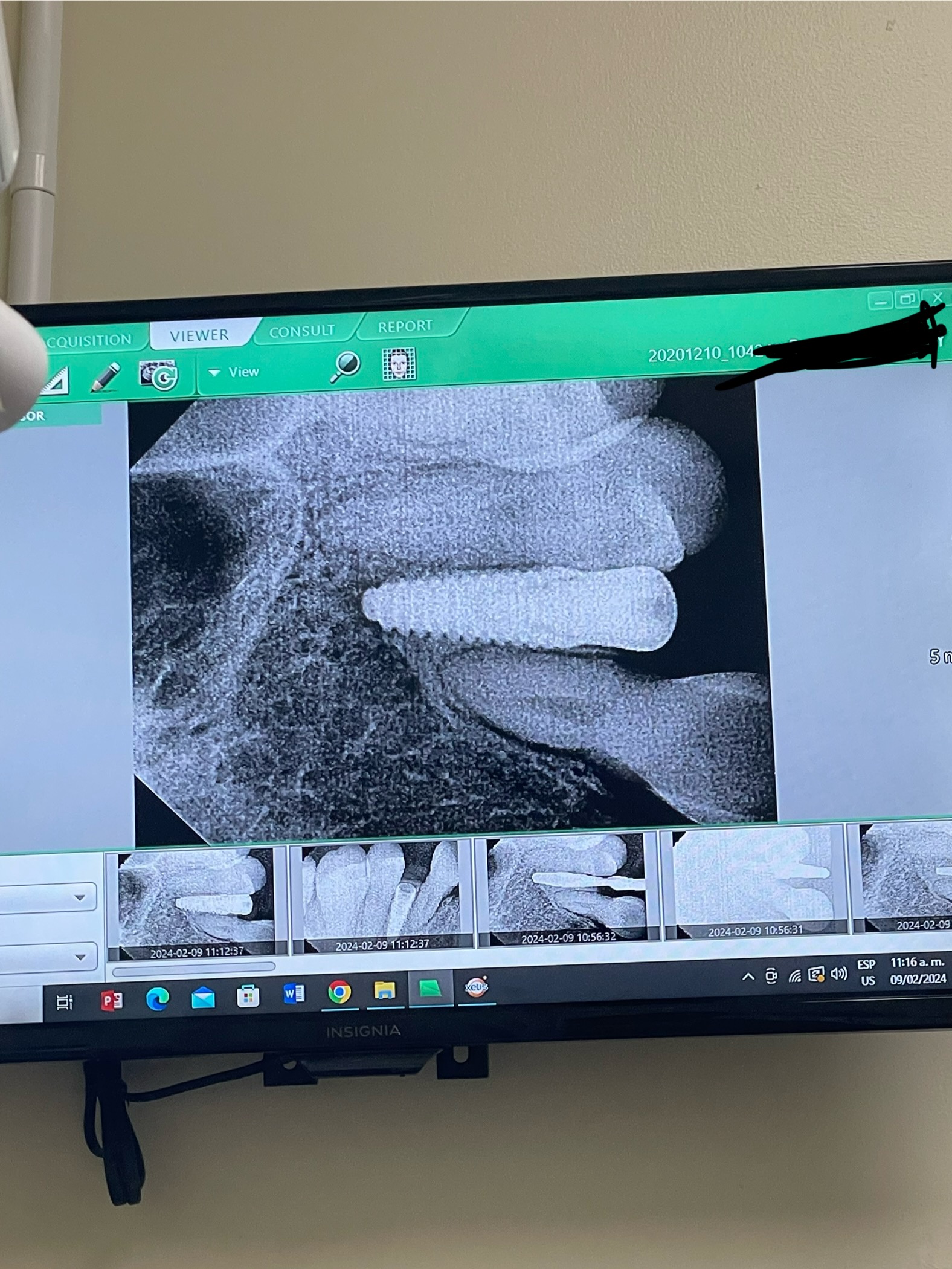
Missing Lower First Molar and Second Premolar: One Implant or Two?
Anon. asks:
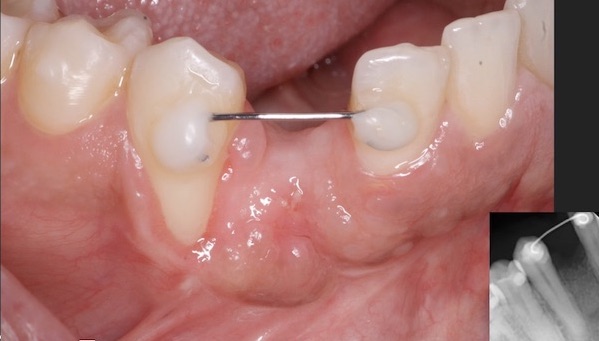
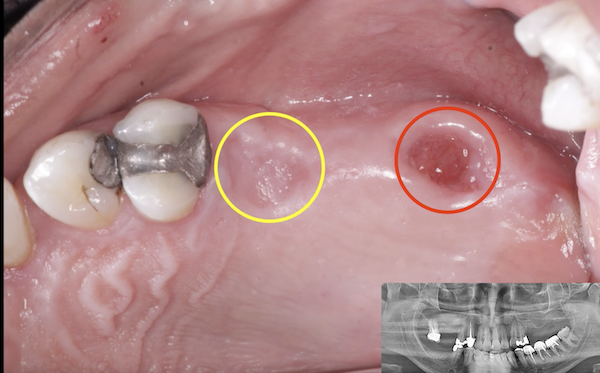
I have a patient missing the lower left first molar and second premolar. I would like to place one implant in the first molar space and connect it with a bridge to the first premolar. This way I could replace two teeth using one dental implant. The other option would be to place 2 dental implants – one for the first molar and one for the second premolar. The second treatment plan is more costly. Would my first treatment plan, using only one implant, be in accordance with the standard of care or should I use two implants? I have heard many lecturers on this subject state that if done properly with appropriate case selection, it will work. What is your opinion?
19 Comments on Missing Lower First Molar and Second Premolar: One Implant or Two?
New comments are currently closed for this post.
UW
12/14/2008
Go with 2. Cost is secondary to ideal treatment planning.
DRMA
12/15/2008
If the first premolar is mobile ,it's no question, use two. If it's stable, two is better, one can work, but after ten years with a mobile first molar and no bone on the seconds area, it will be late to rethink.
Mike Stanley, asst.
12/16/2008
Also read the thread on this site called "Current thinking on connecting implants to natural teeth." It seems that few doctors recommend bridging between a natural tooth (your first bicuspid) and an implant.
JP
12/17/2008
never splint an implant to a tooth.
A natural element is a little bit mobile, an implant not. Logicaly, this will cause stress on your prosthetic structure, with failure after time.
(SEE STUDIES ABOUT THIS ITEM).
Thus 2 implants in this case !
Paul
12/20/2008
2 implants
JM
12/22/2008
The problem is not only the prosthetic structure but the possible intrusion of the natural tooth; there are several reports in literature describing this phenomenon. Too risky. Go for the 2 implants.
s_yaghobee
12/23/2008
2 implant. no dout.
steve c
12/23/2008
Even if the 2nd premolar could benefit from a crown, I would still use 2 implants. If the premolar is a virgin tooth it would be a crime to bridge onto it from an implant.
R. Hughes
12/24/2008
All of the options listed by Anon are reasonable and the standard of care. I have been placing and restoring dental implants since 1990, and have NEVER seen a natural tooth intrude, that was an abutment in a tooth and implant supported bridge. I have done countless cases like this. I will admit that I use copings on the natural teeth. There is always a first time. I am not doubting what is in the literature but I believe this is rare.
GHONEIM, Iyad
12/26/2008
Well I think bridging the the implant with a tooth is not that good choice but I think when it comes to the financial point you can convence your patient that having two implants will give a perfect investment for his oral health that will elongate his teeth's life span, I really advice you not to bridge them donn't loose his four.
A:Romano dr med, dr dent
12/31/2008
The solutions on this question are three:
two implants for two missing teeth
a bridge between implant instead the missing molar and the fourth premolar.
a bridge between implant instead the missin molar and a simply but strong preformed rest on the premolar.
the last two solutios i applied in the past , often ,without inconvenients and i find the question : implant and natural tooth toghether good too because i never found any problem in the last 25 years in spite of many authors say the contrary, but on which founda ment? I speak about my long positive and practical experience. but i know that on this argument many coll eagues are of my mind.
Rob Dental Lab Tech
12/31/2008
What about the stress on the porcelain and substructure from the movement of a natural tooth connected to an stable implant? The dentists I work with would never connect an implant to a natural tooth. The chance is too great that the restoration would fail.
R. Hughes
1/1/2009
I HAVE BEEN CONNECTING IMPLANTS TO TEETH FOR YEARS (18) WITH NO ADVERSE RESULTS.
vancouver
1/2/2009
Hughes - in a previous comment you mentioned copings on natural teeth; could you please elaborate on that?
R. Hughes
1/2/2009
vancouver- One cements a gold coping over the natural teeth with a hard cement and then cements the brigde work with a not so hard cement. Since there is little movement with the implants and slightly more with the teeth there is a chance for increased recurrent decay of the natural teeth. The use of copings reduces the chance of recurrent decay and helpe to elimimate paralleling issues.
Dr. M.A.Mohealdeen
1/2/2009
a tooth and implant supported bridge. I have done 70 cases like this with follow up of 2 years with NO problme.
Dr. Raouf El Batanony
1/10/2009
well Anon i would go for two implants if i was in your place. maybe because i don't favor the tooth implant connection, and also as mentioned by DRMA later on you will lose the bone at the second premolar and it will be too late to rethink. so go for the correct treatment plan from the start.
"if you fail to plan, you plan to fail" - Dr. K Judy
keep that in mind it helps out.
Majid K.
2/9/2009
With one implant,you may involved in an unpredictable situtation.thus go for the two implants.
Roger Forbes
2/11/2009
Are any of you aware of any journals/studies carried out so far to back up these arguments re: one v two implants to replace a single first molar tooth - would help with my own MSc Implant studies