Removing Implant by Minimal Reverse Torque?
« Rheumatoid Arthritis: Contraindication for Implants? | High Costs for Implant Screws for Orthodontic Anchorage: How to Manage? »
Dr. I asks:
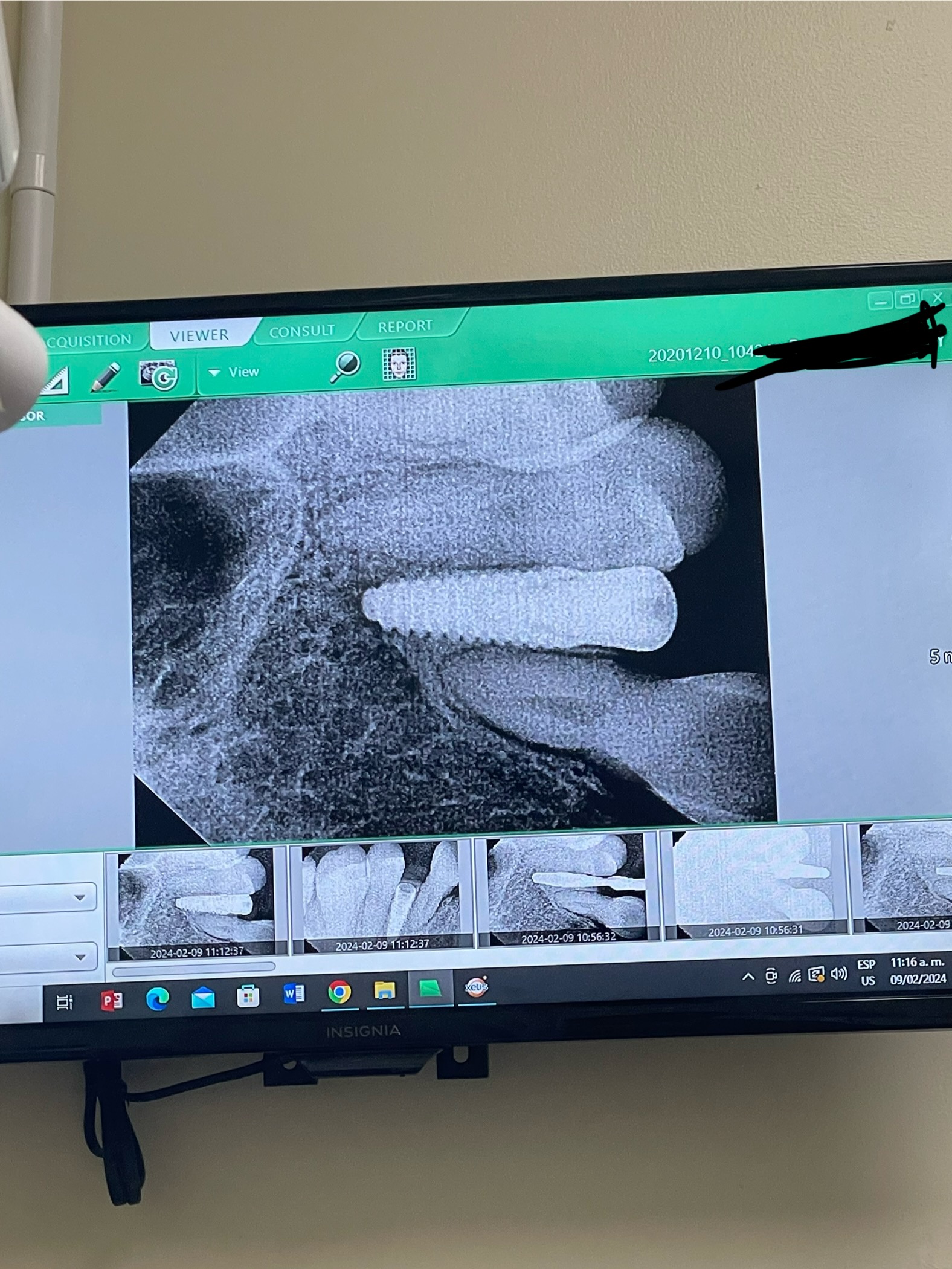
Can a dental implant that appears both clinically and radiographically integrated be removed by minimal reverse torque?
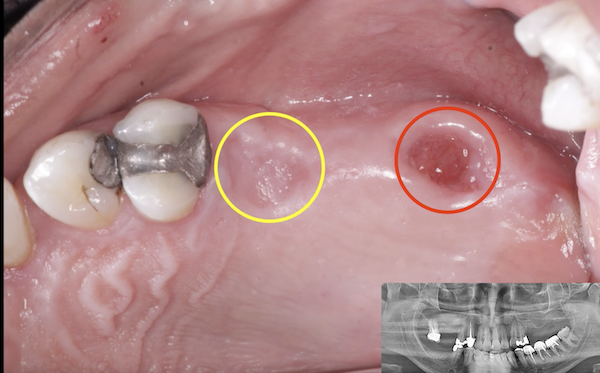
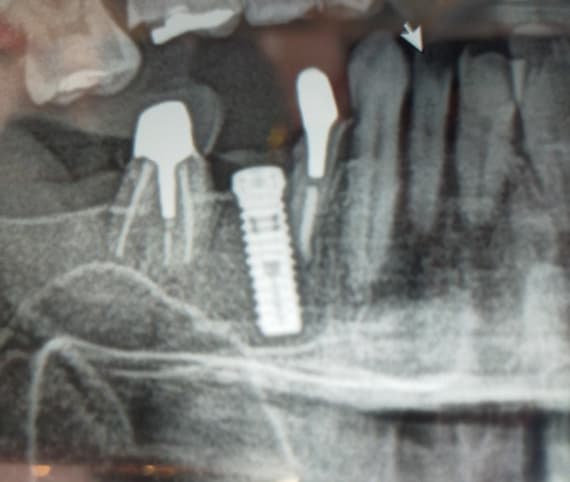
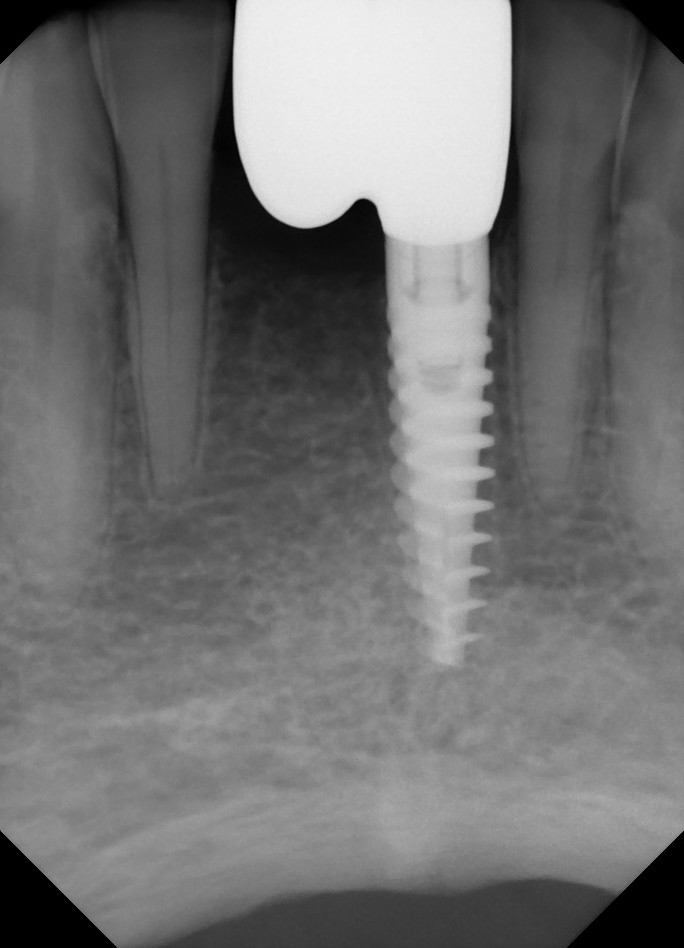
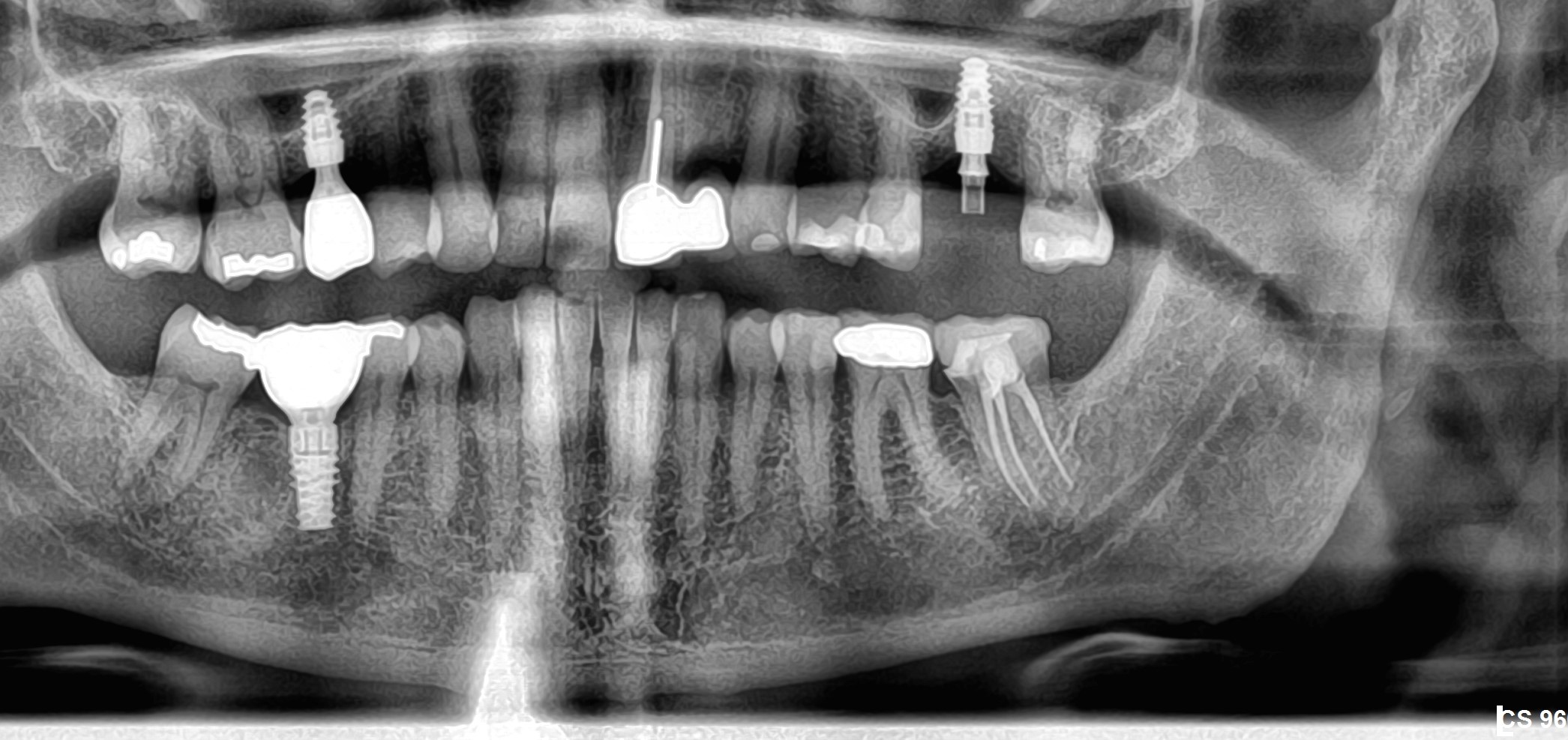
The reason for my question is that recently I have experienced a number of failures with a particular implant. Prior to using this implant, I had experienced about 2% failure rate. In this particular case I placed two implants in the maxillary first premolar area, when the implant placed in the # 5 site failed shortly after loading (the implant appeared both clinically and radiographically integrated), I removed the crown and abutment from the implant in the # 12 site to see if I could remove by applying reverse torque using the manufacturers ratchet and with slight force I was surprised to find the implant began to come out.
I did not think this was possible, but may explain the high number of failures I have noted since using this implant. I have since stopped using this implant, but worry about the twenty implants from this company that I have already placed. The patient in this case was a healthy 70 year old female, implants were placed in native bone D3 and given a full 6 months to integrate before uncovering. At the time of uncovering no crestal bone loss was noted. Radiographically it appeared that bone was intimately adapted to the implant body the full length of the implants. Any feed-back is appreciated. I am not sure how to proceed.
Free Daily Email Alert Click Here>>
Get OsseoNews.com Comments delivered daily! Click Here to subscribe.FREE Weekly Email
Keep current on the latest dental implant discussions! It's Free!
>>Click Here to Subscribe to OsseoNews.com Now!
-
Editor Picks
-
Popular Posts
-
Hot Topics
- Locator Attachments: Trouble Picking Them Up in Overdenture?
- Advice for Complication in Creation and Maintenance of an Interproximal Papilla?
- Implant Systems: Commercially Pure Titanium vs. Alloy?
- Type of Anesthesia for Dental Implant Surgery?
- Implants Too Close: Can I Use Orthodontics To Create Space?
- Large Defect in the Labial Cortical Plate
- Abutment Screw Gets Stuck: How to Prevent This?
- Crown 1mm Short of the Margin: Recommendations?
- Suture Lost Exposing the Implant: What to Do?
- Mini Implants in Anterior Mandible: Expectations of Longevity?
- Space Between Implant Fixture and Natural Teeth: How Much Is Enough?
- Options for Provisional Restoration?
- Loose Bio-Oss Particles: Can Implants Be Placed?
- Maxillary Overdentures: What Implant Support is Required?
- Mixing Metronidazole Solution in Grafting Material?
- Sinus Lift Complication after using Summer’s Osteotome Technique?
- Cone Beam vs. Conventional CT Scans: Radiation Levels?
- Sinus Tear: How Long to Wait for Regraft?
- Mini Implants for Long-Term Use?
- How to Avoid Hitting the Mental Foramen Nerve?
Implant Courses
>>More Implant Courses

6 Responses to “ Removing Implant by Minimal Reverse Torque? ”
Yes they can (unfortunatelly), if you want to be sure use contra torque every time. also periotest(not my favorite) can help. Ostell is also a good tool but finally good contra torque (40Ncm) will give you peace of mind.
best of luck
What is the brand/surface technology of the said failed implant?
I have removed three and they reverse torque right out nicely. Now they were only in at most three months. Two were lower implants I removed them due to thread exposure and I felt that it was better to sink them deeper than graft.
Implants which appear clinically and radiographically osseointegrated and can be reversed by minimal reverse torque are not integrated and are best removed. Your 2% failure rate is acceptable and you are a good surgeon. Suggest reviewng protocol to see what changes you have made besides the brand switch. If your recent switch is between two tapered implant brands or 2 parallel sided implants unlikely that protocol is no issue. If you are switching from parallel sided to tapered or vice versa, there is a need to review your protocol as they have a different feel upon insertion. The other common cause is when dealing with immediate extraction sites where there could be a leftover granulation tissue undetected. Finally while I do not think it is necessarily a problem with one brand or other, I would opt for a surface modified, i.e rough surface implant rather than a first generation smooth surface Ti.
yes , what is this implant brand?…use an implant surface treated with (”cell plus,tiunite,sla”)..claim to have faster better integration
can you tell us which brand of implant that failed? Radiographs does not reveal much.Pain is a good indication while torquing the abutment
Leave a Comment
Note: Please refrain from ad hominem attacks, and promotional comments. Outside links are not permitted in comments. Though we require an email to route questionable comments to our editors, we will NEVER publish your email or use it for any other purpose. Thank you for your understanding.
Note: At times your comment may not appear on the website immediately, because it has been sent to our editors for approval. Once approved, we will publish the comment. There is NO need to resubmit your comment, if it does not appear on the website immediately.