Anon. asks:

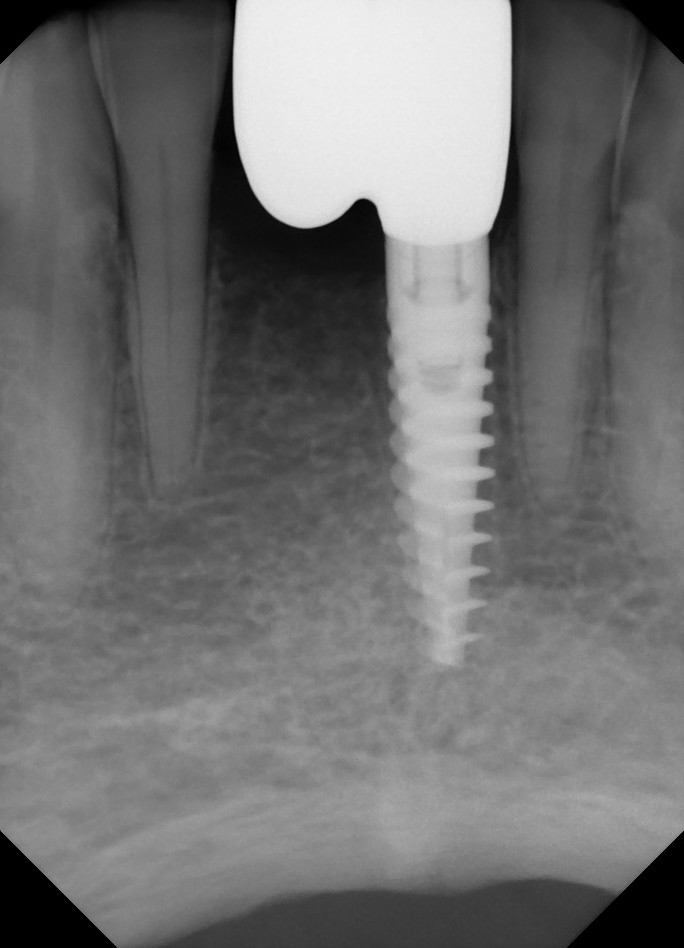
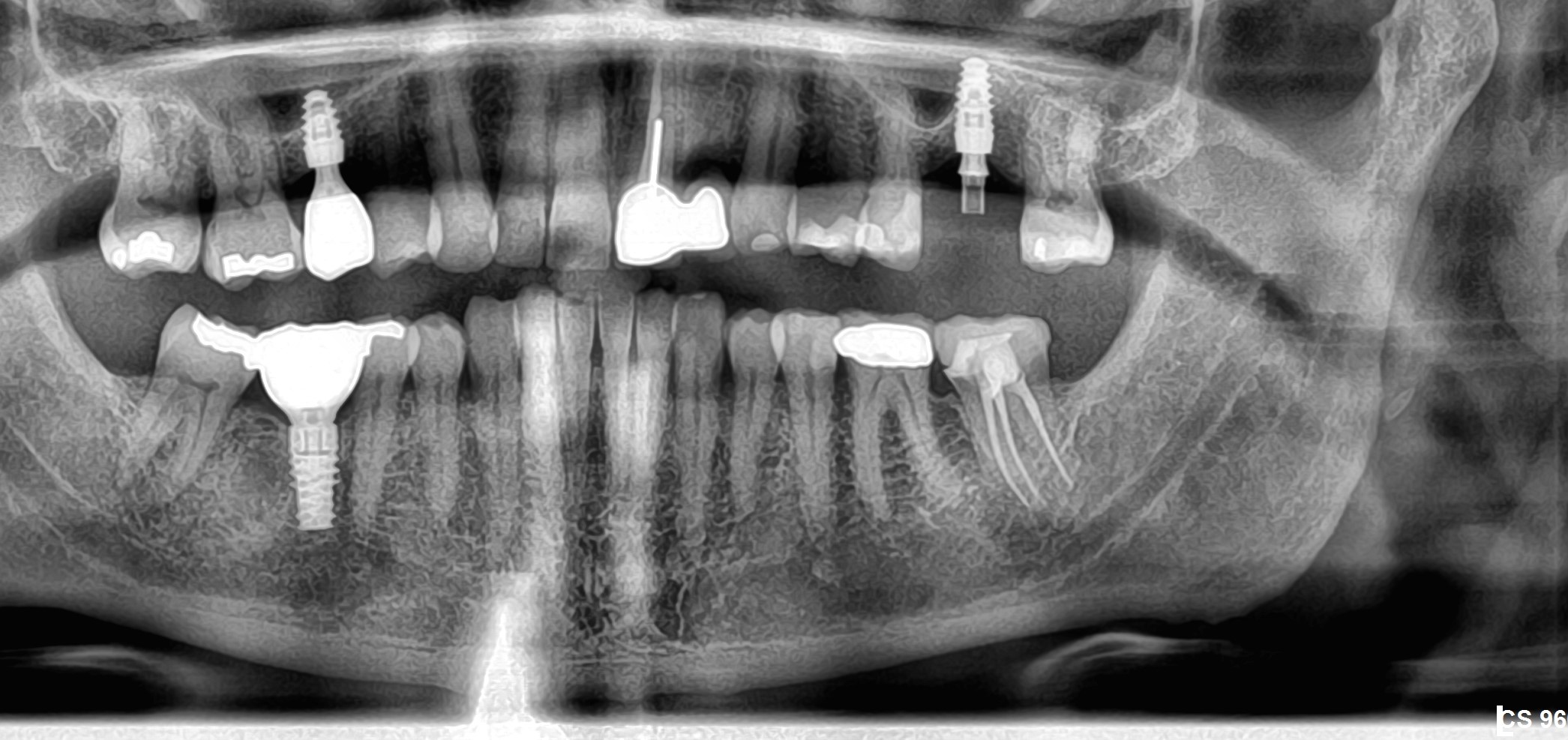
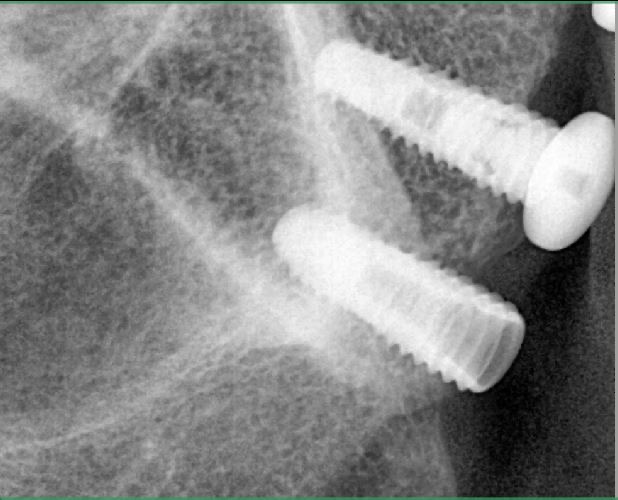
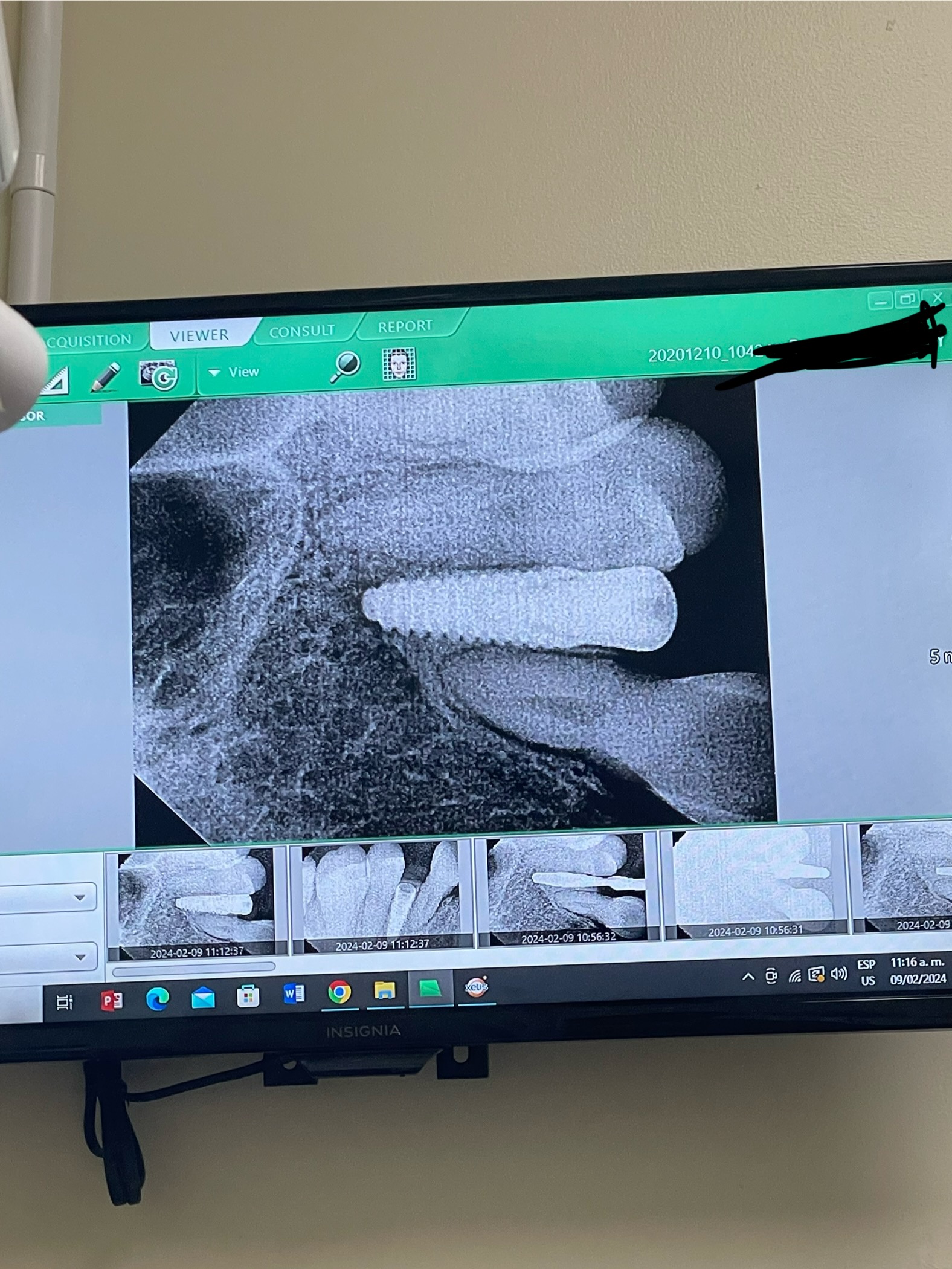
Has anyone come up with a predictable way to determine if an implant is truly integrated at the time of uncovery? I have heard of using the Ostell Mentor Device as a means of assessing implant stability, I have never had the opportunity to use this device. Are there other ways to reliably assess implant stability? I had 3 cases three in the last year that I believed the implant was truly integrated and within two months of the referring dentist restoring the implant, the patient returned with a loose failed implant. Is it possible that these implants which appeared integrated, were in fact improperly loaded and traumatic occlusal factors led to their early failure? Or was I mistaken when I assessed their osseointegration and thought they were osseointegrated but were in fact not osseointegrated? Any thoughts are greatly appreciated.
Featured Sponsor

Free Daily Email Alert Click Here>>

Get OsseoNews.com Comments delivered daily! Click Here to subscribe.

15 Responses to “ Assessing Osseointegration: Is there a Predictable Way? ”

  • Nick April 7th, 2008

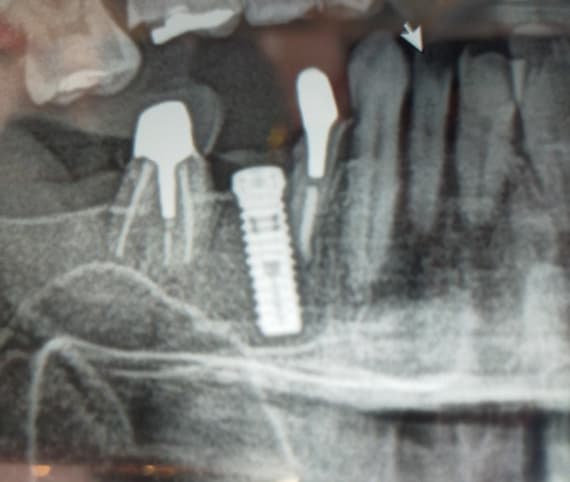
    an excellent topic for discussion.I had 2 cases in the lower jaw where the implants were immobile at the time of uncovery( 2 -3 months after insertion) and were finally lost 1 -2 months afterwards.The only common things i noticed was a bearly noticeable radiolucency around the first 2 -3 threads of the implants(more than expectable) as well as a sharp pain by the patient when i screw the healing abutment.I believe that these were cases of partial osseointergration, which eventually ended up in a loss.
    Time is the best predictor in osseointegration!

  • Charles Schlesinger, DDS April 8th, 2008

    A great topic. Anon, the Osstel unit is a great predictor of integration, but it is not absolute. It will give you stability readings which you compare to initial placement readings and/or published data. It is really the only instrument that can assign a numerical value to an implants stability. It is very likely that overloading occurred after restoration. You need to be sure your restorative docs kow that restoring an implant is not the same as a natural tooth.

    Nick- I would look at whether 2-3 months was not sufficient time for integration.You must assess the bone quality and initial stability at placement and then determine your healing time from there. Were these implants burried or did you have transgingival healing caps? From what you stated; radiolucency and thread exposure, it sounds like they were somehow loaded during healing. I also question why you would have continued and tried to restore these after it was obvious they were not integrated(sharp pain upon torquing healing abutment).
    In that case I would have let them integrate longer, and found out why you were having continued bone loss, or made the decision to remove them. You should have 1mm or less bone remodeling within the 1st year- anything more and you have something going on. It could be iatrogenic, surgical protocal violation, forces, infection during healing, etc.

    I look forward to hearing what others have to say.

  • Stan April 8th, 2008

    I agree with Dr. Schlesinger. Patience is a virtue, and in implants, a necessity. Learn your bone types and note the final torque at placement. I tell patients: “Would you rather wait a month or two more for a much higher rate of success, or try and restore it earlier and perhaps end up in failure with much more time involved in healing and replacement! So far 100% of the patients have chosen to wait. Full loading before 4 - 6 months is just asking for trouble. Yes, yes, you can get away with it but nevertheless, your failure rate will be higher in those. When I go to restore an implant, I always put the torque wrench on and test to 25 - 30 Ncm. If they feel pain, or even that you are really doing anything, I know that restoring at that point is a very bad idea! So, before you send them back for restorative, do the check yourself and you will pretty much rule out a problem on your end, especially if you allowed enough integration time. Patience will help.

  • Fadi April 8th, 2008

    No signs of infection, no signs of mobility, no pain or tenderness, no abnormal bone loss no more than 1mm through healing time, torque at 35ncm for few seconds without pain.
    it is very important to decide how many months we should wait for the healing time?

  • Leopoldo Bozzi April 8th, 2008

    Clinical assessment of osseointegration is a sort of empirical task, and my experience is based on:
    1) sound appearance at the rx taken before the second surgery or, in the case that a single stage surgery has been adopted, prior to impression making. If no radiolucency is detectable, or no bone loss at implant head level is evident, then I proceed.
    2) testing the stability and the absolute absence of pain during a counter-torque test, i.e. trying to unscrew it utilizing a fixture mounting device and a wrench, at approx 20N.
    If something is wrong at the pre-second stage, or an implant is spinning or painful without any sign of radiolucency around it (a second rx may be necessary), I simply let it heal for a further time, usually three months, then I test again as above.
    If a radiolucency is present, even at only one side of the implant, I judge it failed and ready for replacement. Replacement may be immediate or delayed, up to the clinical appearance of the residual socket.
    Obviously, patients are well informed of that possibility before the whole thing is started.

  • David Mazza April 8th, 2008

    - Initial assessment by Periotest, less the number, more the amount of the integration. Salvin Dental sells Periotest.
    - Progressive loading is key to clinical success. Carl Misch has a chapter in his prosthetic text book that describes this protocal in detail.

  • Nick April 9th, 2008

    Charles
    Thank you for your reply. The initial stability as well the quality of bone were excellent.The implants were burried so there was no loading during the healing phase. I did not go no with the resorative phase.I kept checking their clinical status until the time the implants became mobile and had to remove them.
    I would like also to add that both of these implants were 5 mm in diameter(coincidence?).
    I think the question is as follows: How can somebody knows if the implant was fully osseointergrated so as to avoid excerting force by testing it at the uncovery time?
    in other words what is the best non -invasive device to test osseointergation?

  • Larry Duffy April 9th, 2008

    I agree with evryone about knowing the quality of bone…also I feel that everyone is trying to rush things…the old standby was 4 months in the mandible and 6 months in the maxilla…this in my opinion is where we should all begin our thinking…if the bone however is extremely dense..D1..then vary from the old stanby ruless..I have been placing and restoring for about 12 years and only once did I have a failure shortly after restoring…look for radiolucencies and infection…also a keratanized band of gingiva is the extremely important for success..if you have to move the tissue at uncovering and wait minimum of three weeks before deciding to restore finally..no biological seal can lead to a failure fast because of bacteria and fast perio problems

  • Charles Schlesinger, DDS April 9th, 2008

    Definately time is our friend. I know there are companies out there that state that you can restore in 3-4 weeks with their products… I am going to wait for the 5 year follow-up studies. My advice is: don’t rush. The patients will understand that you want to wait until their success rate approaches the high 90’s. I get patients all the time that get anxious- I tell them the reality of what can happen if you load too early. Most will understand and wait.
    As a caveat- there will be some implants that do not integrate even when all has been done correctly. Remember-We are dealing with the human body which is predictable, but not 100%.

  • Dr. Gerald Rudick April 12th, 2008

    Osseointegration is a phenomenon that none of us really understand. All the above comments are very valid.
    What percentage of the total surface area of the implant has to be in direct contact and “bonded” to the bone in order to have a Periotester or an Ostell Mentor Device give a positive reading? Neither of these instruments can tell you the percentage of integration to the implant body surface; and
    nor are we certain of the minimum abount of direct bone “bonding” necessary for a secure and stable implant.
    Those of you who have practicing implantology as long as I have, will remember the dedicated pioneers in this field who coined the term “fibro-osseous integration” for blade implants that were put into function from the start….. we certainly do not want this term to exist in our dental vocabulary anymore!

    Ladies and gentlemen who love implantology as much as I do, remember to ensure there is no infection, no radiolucencies, graft the soft tissue to get a good gingival collar,at least four - six months of undesturbed healing, use a temporary fixed prosthesis for several months incorporating gradual loading; and pay your dues at your local church, mosque, synogogue,etc and go there as often as possbile to pray …. you might want to invite your lawyer to keep you company.

    Good luck…implants are great but be sure to keep your patients advised of the possible disappointments.

    Gerald Rudick Montreal, Canada

  • Boomer April 20th, 2008

    Curious as most implants are not uncovered these days. Single Stage protocols work, plenty of 5-10 year data on that. Depending on the implant you use and patient considerations immediate load works 5+ year data on that with certain companies, even if one confuses the matter by claiming sole ability for immediate function.

    The market is changing. Patients not only use the internet to research procedures they are in some cities being told that they can get their problem resolved sooner. You can choose to punish the companies that are leading the charge by reducing the patients time to teeth but in effect you will only diminish your business as more Dental Implant Centers open up around the country. Ask yourself this question, How many Lasik procedures would be done world wide if you the patient had to wait 3-6 months to see? You can argue that reduced healing times don’t matter, you can be angry at centers that broadcast FDA approved treatment protocols, or you can start adapting your practice and choice of implants based on the business enviornment you work in. The patients you see may understand, the rest may be down the street with another surgeon.

    RFQ can be used to demonstrate an implant integration but in effect it only confirms your expertise as to when an implant should be restored. Instead of asking patients to wait without cause you can determine when the initial stability of the implant has been replaced by secondary stability without having to do a torque test that might torque out implants that would have integrated. In addition, you will have documented this integration as part of your conversations with your referrals. In the end you might improve your success rate while getting patients restored in a more timely fashion.

    I don’t know about the rest of you but I hate waiting and unexplained waiting is why Disney puts time markers in the lines for their rides. Implants or Bridges? If your referrals are saying 6 months versus 3 weeks what do you think patients who hate to wait are choosing?

  • Dr. J April 22nd, 2008

    I check implant integration by radiograph and clinical appearance. If all is well, I then insert the implant driver device into the implant and then use a torque wrench and torque to 35Ncm. If the implant does not move and the torque wrench “breaks” at 35Ncm, I feel comfortable with the implant integration. This is the best clinical technique I have found thus far.

  • DR.L April 23rd, 2008

    All your comments are really important states, but the fact is that taking any good clinical decision should be evidence based. Until now, there are no randomized clinical trals and or systematic reviews of RCTs that could answer that simple question. Unfortunally, implant companies do not care about that. In fact, they love to know most of us, clinical dentists not even know what is a RCT or a systematic review. If Osstell or other RFA instrument could access osseointegration based on well controlled trials, we already had that data published on scientific journals. Sorry, but I feel that much of we discuss make no sense… Osseointegration is and will always be a concept based on clinical practice and observation.

  • Cherilyn G. Sheets, DDS April 23rd, 2008

    It has been very interesting reading all of your comments, especially since Professor Jim Earthman and I have been working with percussion probe diagnostics and exploring their ability to reliably predict the level of osseointegration of implants for 15 years. We have tested thousands of implants at this time, as well as thousands of natural teeth, and feel that we can predictably assess the stability of an implant at the various stages of implant “life”. We even have clinical examples of implants that appeared clinically healthy and healing normally but that showed an increase of the loss coefficient readings. The loss coefficient is our calibrated indicator of mechanical stability. A reading that starts moving higher after the healing process has started, signals that the bone healing has stopped and in fact is starting to breakdown. By using protective occlusal splints to reduce the load on the “ailing” implant the loss coefficient was able to be reversed into a healing pattern again. We felt that we caught a beginning failure very early in the process while it was still reversable due to the detailed monitoring of the healing process…that is our interpretation of the data. Additionally, we have been able to follow implant stability in a limited study (approximately 30 implants) involving the highest risk situation of extraction, immediate placement and immediate provisionalizatiion. Each patient had loss coefficient readings taken at placement, at one week intervals for the first month, and then monthly for three months minimum. There is a predictable pattern of healing that each patient generally follows. When the pattern is not followed, the clinician/surgeon is alerted. Additionally, we have the ability to evaluate a separate piece of information, which the Ostell or Periotest do not provide. An energy return graph that shows the structural stability of the implant is also generated with each test. It has been the energy return graphs that has allowed us to identify implants that do not have complete osseointegration, even though they may clinically or radiographically give no symptoms of pathology. These are the implants that will have a higher chance of failure under loading conditions. We are currently working on more accurate interpretation of the shape of the graphs for more definitive diagnostic interpretations. So as you may imagine, I favor the idea of having a quantifiable and reliable non-invasive way to assess the osseointegration quality of the implants that we place and restore. It provides the clinician valuable information regarding the health of each implant and in establishing the biomechanical design for each final prosthesis that is based on an accurate assessment of the implant foundational support.

  • Lynn May 7th, 2008

    Hello, Two weeks ago had a (window method) sinus lift w/autogenous bone from 3rd molar area and bioactive glass granules as well as simultaneous placement of 2 implants in posterior maxilla region. Existing bone was about 6/7mm. needed about 7 more mm’s for length of implant (both 13 mm). Just finished 2 rounds of antibiotics (40 pills altogether). am no longer on any pain pills. Just wondering how long tenderness should last? I can breathe fine out of my nose, etc. But gums are still tender when I press on them a little. Is this normal? Also, inside where my cheek meets my gums seems a little swollen still, like it’s kind of tight up against gums. Not real tight but not as lax as the inside of my cheek on the other side of my mouth. Hope that makes sense. Doc pressed on them last week when stitches came out and he said it looked good, no pus etc. But that’s when he put me on 2nd round of antibiotics. Just want to make sure it’s ok to still feel discomfort there.

    Also, what if you cry a little during healing? I had some sad news happen about a week after surgery and cried a little tiny bit, actually I was trying NOT to cry but cried anyway and sinuses of course felt a little bit of pressure from my crying. I wasn’t bawling, just crying. Is that ok?

    Thank you so much for any help I can get…
    It’s always good to get a few different perspectives/views, just in case. My doc is an oral surgeon. I will say, the surgery was a lot less traumatic than I thought it would be.

    Thanks again for any advice!
    Lynn


Leave a Comment

Note: Please refrain from ad hominem attacks, and promotional comments. Outside links are not permitted in comments. Though we require an email to route questionable comments to our editors, we will NEVER publish your email or use it for any other purpose. Thank you for your understanding.

Note: At times your comment may not appear on the website immediately, because it has been sent to our editors for approval. Once approved, we will publish the comment. There is NO need to resubmit your comment, if it does not appear on the website immediately.

Tue May 13 2008

FREE Weekly Email

Keep current on the latest dental implant discussions! It's Free!

>>Click Here to Subscribe to OsseoNews.com Now!

Sponsor