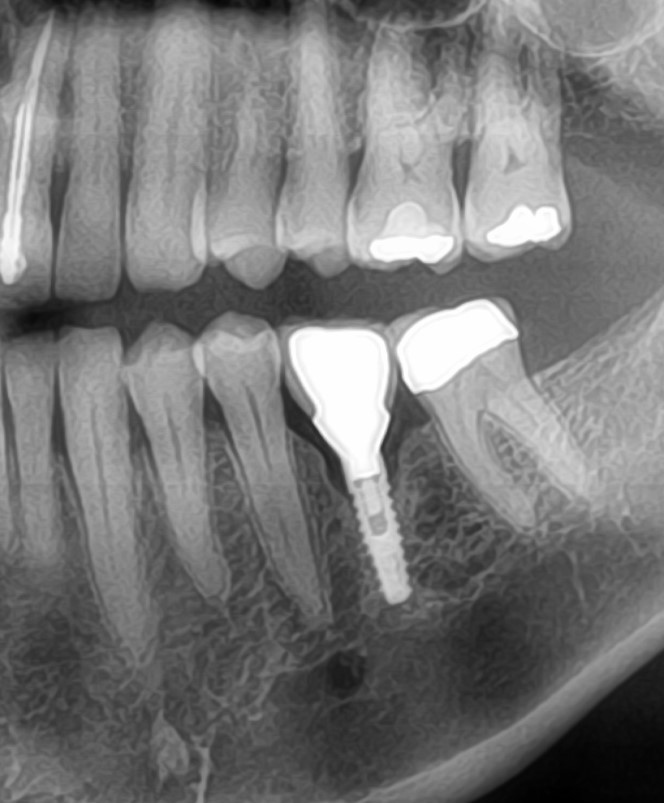
Avoiding Dental Implant Failures
Buzz Hellickson, DDS has a successful general practice in a suburb of Minneapolis. He is a graduate of the University of Minnesota School of Dentistry and was a part-time faculty member of the Department of Operative Dentistry there. He is a member of the Academy of Restorative Dentistry. Buzz has been placing and restoring implants since 1980. Buzz has been kind enough to share some of his thoughts on implant dentistry with OsseoNews.
OsseoNews, Inc.(ON): To what do you attribute your implant failures and how can practitioners avoid this problem?
Buzz Hellickson(BH):
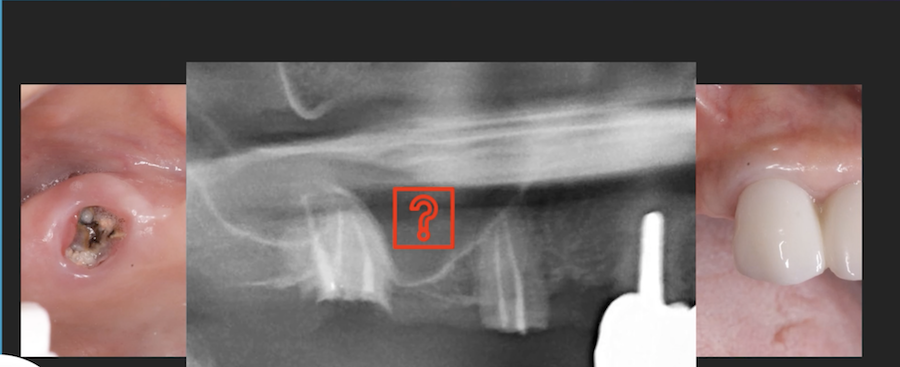
Most of my implant failures have been due to pre-existing endodontic or periodontal infection at the surgical site or in teeth adjacent to the site. The best way to avoid this problem is to wait at least four to six months after extracting a tooth with clinical or radiographic signs of infection. Graft the site if necessary. Just wait for the infection to clear up completely. But, to put this into perspective, I have had very few implant failures.
ON: What kinds of problems have you encountered with the restoration of implants?
BH: Screw fracture or screw loosening has been probably the most frequent problem that I have had. With the new screw and implant designs this is really not much of a problem anymore. I have had an abutment fracture on rare occasions.
ON: How much time do you set aside for your examination for implants?
BH: I generally set aside about an hour. I might do a general examination at the time the patient is appointed for a prophylaxis. I schedule this second appointment to get to know the patient and find out what the patients wants and expects. I also like to spend some time making sure the patient understands exactly what implants entail. Informed consent means that the patient must understand the treatment plan and the potential for complications. I also like to do a thorough examination of the surgical site to determine if site preparation is required. I take accurate centric relation and vertical dimension records. In complex cases I may send the patient for a Simplant or CT scan. Depends on the case. The one point I must emphasize is that diagnosis is everything. You really have to learn everything you need to know about the patient. A thorough examination is mandatory before any treatment is proposed.
ON: What kinds of payment options do you have for your patients?
BH: I give a 7% discount if the patient pays two weeks prior to implant placement. I give a 5% discount if the patient pays the day of the surgery. This helps keep my accounts receivable down. I have Care Credit too.
ON: What are some of the other institutions where you have taken some valuable courses?
BH: The Misch Institute and the Alabama Implant Congress. I found the training at these two very helpful and would recommend them.