Dr. White asks:

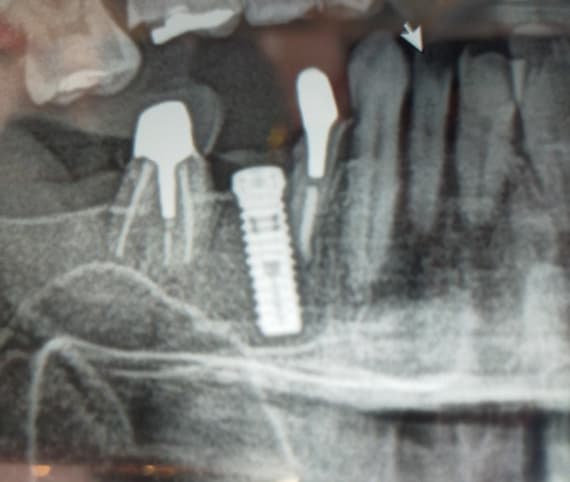
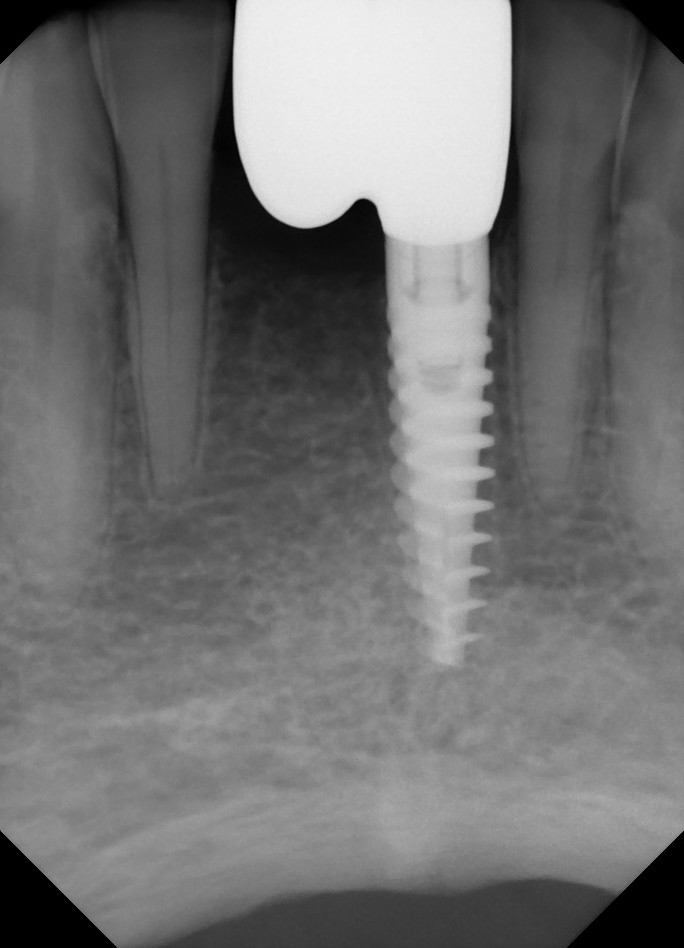
I have had two patients ‘break’ the abutment about half way down the dental implant.

I have tried to unscrew the segment but it’s torqued in
place. Tried to reset the upper part of the prep but not enough screw
threads available. Please help. How do I remove this? What should I do to correct the situation? The dental implant is not the problem. It’s in tight. Any advice would be appreciated.
Featured Sponsor

Free Daily Email Alert Click Here>>

Get OsseoNews.com Comments delivered daily! Click Here to subscribe.

11 Responses to “ Broken Abutment ”

  • satish joshi November 27th, 2006

    If there is no other alternative,file down abutment little short of screw (from out inside) without touching implant and then grab the screw with hemostat and unscrew it.Place new abutment if implant is good.

  • Anonymous November 27th, 2006

    Most companies have a retrieval kit contact the company involved and see what solution they have to help out. If it is a screw type abutment you may have to bore out the screw to remove the abutment if the screw has become stripped or damaged and won’t spin out.

    You might want to figure out why these fractured before you put in two more with the same solution.

  • Clark Brown November 28th, 2006

    The first thing I try is to use a 330 bur on a high speed and just touch the top of the broken screw. Most of the time, I find the screw will back out with the vibration.

    There are those times where this does not work. As mentioned above, many companies have screw retrievable kits. I have had mediocre success with these kits.

    If you have a larger diameter internal connection and are extremely careful not to mess up the threads, you can try making a slot in the top of the screw. Modify an instrument so that it fits the slot you made in the top of the screw. Then unscrew it. This is my second most successful method of screw retrieval (vibration the first most successful).

    You can also try forget about saving the threads, prep the side walls slightly and try to drill through as much of the remaining screw as possible (remember not to overheat the implant). Now treat it like a custom made dowel post. Take an impression of the onside of the implant and have your lab make a custom cemented abutment. Remember the original Core-vent implants? They worked well having the abutment cemented into the implant body. Personally, I would not like to use this method for a free-standing implant.

    Of course the final option is to either bury the implant and look for other restorative options or remove the implant, graft and go back in with another one.

  • Dr. Silegy November 28th, 2006

    This is the exact reason I use Zimmer Tapered Screw Vent implants with internal hex/friction fit abutments.

    If the above doesn’t work consider replacing the implants.

  • Don Callan November 29th, 2006

    Try to figure why the implant abutment broke. There are many factors thay come into play. I too had some of the NBC implants to fracture, these were in the lateral areas in the upper arch. We found it was a flaw in the design of the implant. However, occlusion is also a major factor, therefore, why should an angled abutment be placed? Correct the lack of bone first then place the implant. Occulsion and design flaws are the two areas to consider.

  • Anonymous December 2nd, 2006

    Looks like another one “bites the dust.” Boy CNN is going to have a field day with this information!

  • Anonymous December 2nd, 2006

    What about using a Cavitron tip with ultrasonic vibrations to loosen the broken screw fragment? This is what the endodontists use to loosen cemented posts.

  • satish joshi December 3rd, 2006

    Draw back of ultrsonic tip is that it may create some kind of lip formation if touches implant/abutment body and may lock the broken screw, which than will be very difficult to remove.
    If screw is broken deep inside, It is difficult to prepare a slot with 1/2 no. carbide.

  • domis December 6th, 2006

    I have given up using the external hex connection for internal tapered connection (e.g. Ankylos, Astra, Bicon) exactly for these reasons. The fault likes in the concentration of stress on the abutment screw holding up the abutment.

    There are some cases I just cut short the new abutment screws so that they can sit completely onto the new replacement abutments.

    The length of the screw does not play as much part in fastening as the even distribution of forces to the internal walls of the implant.

  • Borna April 24th, 2008

    do you think if the screw cant go out can it be god by cementing the 2 abutments in two implants…

    will it hold ??? the status is 4,5 down left

  • Dr. Moustafa El-Alawy June 9th, 2008

    what about using a pilot thin drill on a very low RPM counter clock wise ??

    i suggest fine touches with the drill on the connection screw head without touching the walls …

    i think in a counterclockwise the drill will not hurt the internal threads on the implant and will promote the screw to loosen and get out ..

    is this practical ?


Leave a Comment

Note: Please refrain from ad hominem attacks, and promotional comments. Outside links are not permitted in comments. Though we require an email to route questionable comments to our editors, we will NEVER publish your email or use it for any other purpose. Thank you for your understanding.

Note: At times your comment may not appear on the website immediately, because it has been sent to our editors for approval. Once approved, we will publish the comment. There is NO need to resubmit your comment, if it does not appear on the website immediately.

Fri August 08 2008

FREE Weekly Email

Keep current on the latest dental implant discussions! It's Free!

>>Click Here to Subscribe to OsseoNews.com Now!


Sponsor