Dr. V. asks:
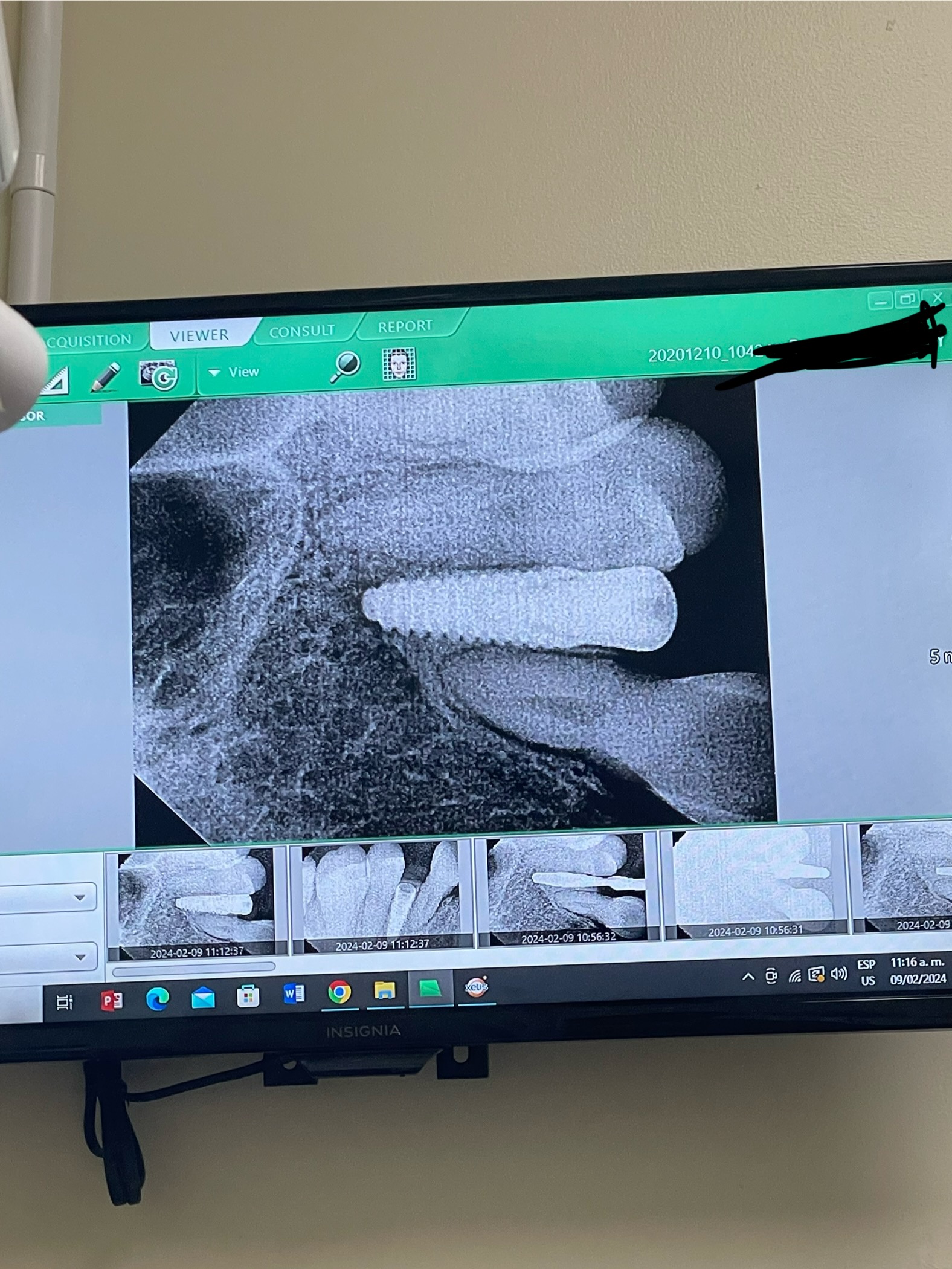
I have been doing CAD/CAM restorations on natural teeth for 2-years and been very happy with the results. This saves a visit for the patients and saves me the trouble of making a temporary crown or onlay. I place my own implants and have just started doing immediate placement and immediate temporization. I am thinking now that maybe I could do the permanent restoration with CAD/CAM in-house. I have not done this before and I just want to run this by the experts out there. After the osseointegration is complete and the tissues have healed, I plan to remove the temporary crown, scan the abutment and make a CAD/CAM crown. My only concern is tissue management. For subgingival margins, how do I best retract the tissue so that I can ge a clear scan of the finish lines?
Featured Courses
>>More Online Implant Courses

Cone Beam Technology: Placing Dental Implants with Confidence
In this webinar, Dr. Myers will discuss the clinical and diagnostic benefits of incorporating 3-D into the dental practice and 3-D's compatibility with guided surgery applications, as well as the communication and marketing benefits...
>>Learn More and Register Now!

10 Responses to “ CAD/CAM Implant Restorations In-House: Should I Head in this Direction? ”

  • Bruce Cassis September 29th, 2009

    Properly utilized, lasers provide an environment for immediate CAD/CAM impressions.

  • Chris Winterholler September 29th, 2009

    I have done hundreds of these restorations with CEREC starting as far back as 2001. There are certain implant systems that are more ideal for this method than others and it all has to do with the design of the shoulder. THe new emax blocks from Ivoclar are the perfect material for this technique. I recommend that you impress with impergum the immediately placed implant with a transfer assembly, then make a quick model with snap stone, do your gingivectomy on the stone model and then design from the analog. THis makes your gingival colar in the mouth undamaged and able to contour with a diode laser if necessary. I also recommend drawing the margins on your CEREC design on the tissue for the proposal and then edit the line after the crown is proposed and right before you mill. This will make your proposed tooth from dental data base one that fits in the arch and maximizes the esthetic and functional potential of the crown. Good luck, CAD/CAM and Implants are the perfect marriage….

  • Andri Suwardi October 2nd, 2009

    I have done a video, the topic was ” Immediate 3D Cad/Cam Restoration in Implant Dentistry “. I am using laser ( waterlase ) for tissue management before scanning the abutment implant.
    If you would like to see the video, you can download in my website ( www.andrisuwardi.com ) pasword : isid2009

  • Cliff Leachman October 6th, 2009

    I agree with Chris! Take an implant level impression and work off models with a bite record. If your using Cerec I personally don’t think its a good idea to spray Titanium Dioxide powder into your site or the mouth or lungs at all for that matter. I just cemented an e.max A1 LT block on a first molar ~ hour ago and the results were excellent. The cost savings and esthetics of using a porcelain block on a titanium abutment are significant and with the NEW Ivoclar all-purpose silanating agent and implant cement you have the perfect combination. I used to think that excellent ceramic temporaries would be the only use for my D4D, but I now have, happily, moved into the permanent realm.

  • mike stanley, asst. October 7th, 2009

    new research is showing e.max to be stronger than PFM because it contains fewer internal defects. we’ve done a dozen or so…

  • David Hubbell October 7th, 2009

    I have done a bunch of these too. If you are working subgingival, I always use an impression cap and work from an analog. I think the most popular opinion is that all porcelain crowns are not strong enough to work on implants. Thus, the use of e-max is recommended by most people. (Chris’ response) I think that is good advice. My thinking is, even if you have a metal or zirconia core in the crown, they still have to stack porcelain over it. The core will never break but the porcelain can. I think this is true no matter what you use. E-max is very strong for the whole crown. I think —- so what? If my crown breaks maybe that is a good thing. I certainly don’t want the bone, the fixture, the abutment or the screw to break on the implant. If the crown breaks I have it stored in my CEREC machine and I can mill a new one and have it ready before the patient gets there. It is a 15 min. appointment to change one. I have had this happen 1 time out of a hundred or so that I have restored this way. My patient bit down on a rock in some re-fried beans and broke the crown. That would probably break anything. With milled crowns the margins are great and they seem strong enough especially for bicuspids and anteriors. I think they are all good solutions. Work indirect for deep margins and do it. I prefer Vita or LT empress CAD to block out the metal color. Have a selection of opaque composite cements to bond with. I like to scuff up the metal abutments some with a fine diamond before I cement. That seems to help with the stability of the cementation. This is just however, my clinical experience and hasn’t been researched. Good luck. Have fun. I think they work great.

  • R. Stanton October 7th, 2009

    A PFM has 1000Mpa strength core under 100Mpa strength porcelain so when it breaks, WHAT breaks? Always the porcelain, never the core. eMax approaches 400Mpa for the WHOLE restoration so it is overall a superior choice. I use it to restore all my implants. I usually work off an analog model but occasionally scan the abutment and bite reg. in the mouth if I feel I need to for various reasons.

  • Farzad Setayesh November 26th, 2009

    I want to buy CEREC3 and use it for implant.
    Is it any problem by ceramic restoration color and titanium abutment by CEREC?

  • Larry J. Meyer November 26th, 2009

    I agree with the above posts. I use e-max cad and have been very happy with the results. I always work off a model now with the analog and final abutment. If necessary I have a custom abutment made. The metal show through isn’t a problem when using the LT blocks at least so far, unless the procelain is thin as in the gingival margin area. If necessary we can prep the abutment to get a deeper margin for thicker porcelain. It saves a ton of money comppared to lab costs and is fun. Every time I can use my CEREC I do so and now with the Cerec Direct we can even scan, e-mail, and have the labs make bridges.
    Larry J. Meyer

  • Farzad Setayesh December 18th, 2009

    If I have AC Unit in office and CEREC IN LAB in there can I make a frame with camera and without impression?


Leave a Comment

Comment Guidelines: This is a forum for dentists for intelligent discussion. No insults. No outside links. No promotional comments. Though we require an email to route questionable comments to our editors, we will NEVER publish your email. Consumers & Patients: Please do NOT post dental questions here. Instead Visit ChooseDentalImplants.com to get Expert Advice for Implants.


Note: At times your comment may not appear on the website immediately, because it has been sent to our editors for approval. Once approved, we will publish the comment. There is NO need to resubmit your comment, if it does not appear on the website immediately.