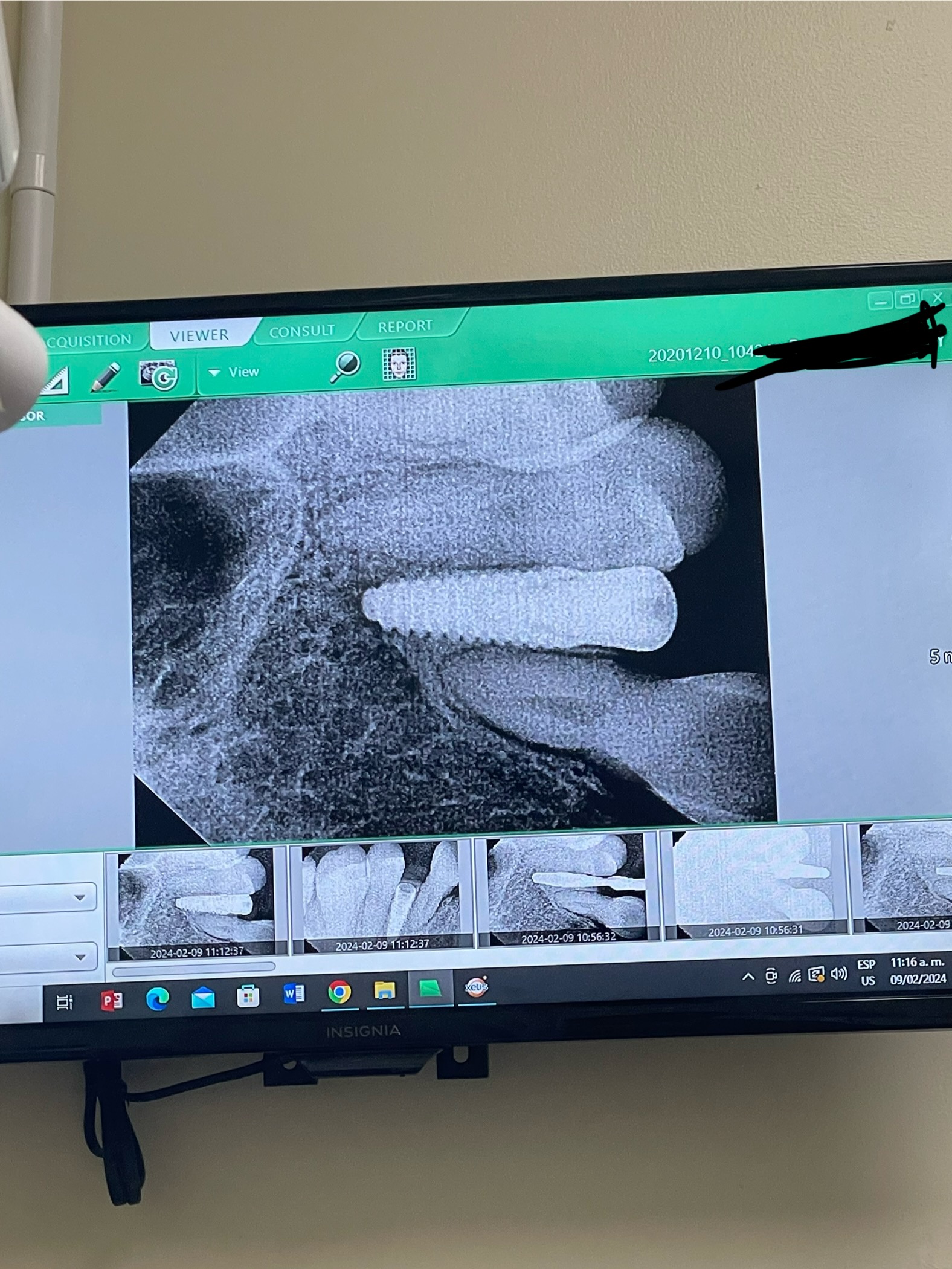
Can Viagra Cause Implant Problems?
J. asks:
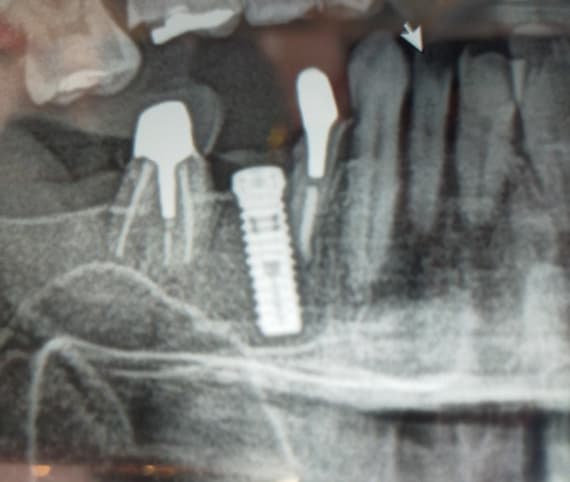
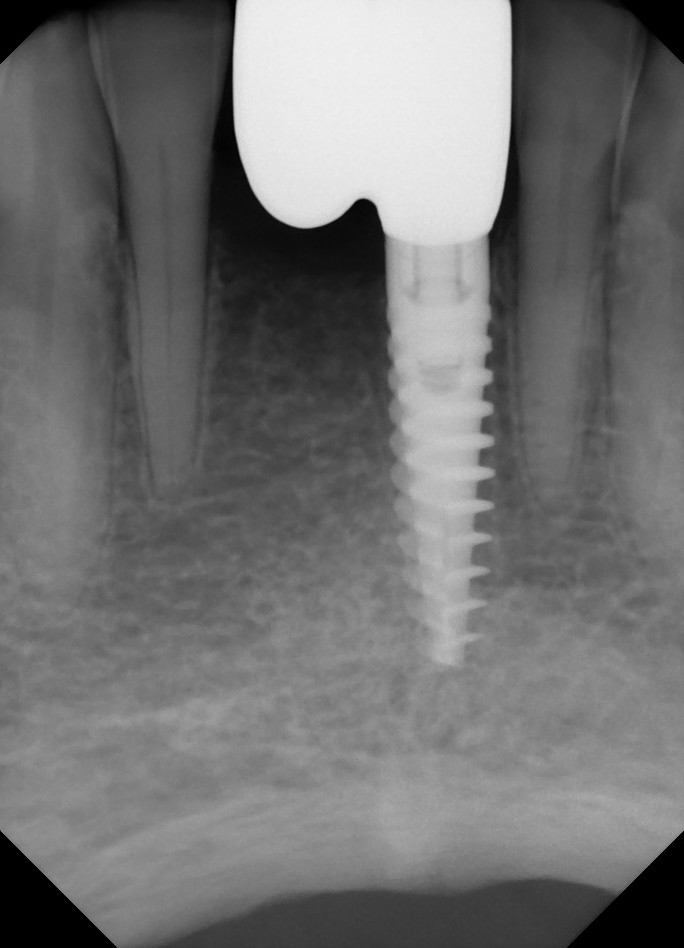
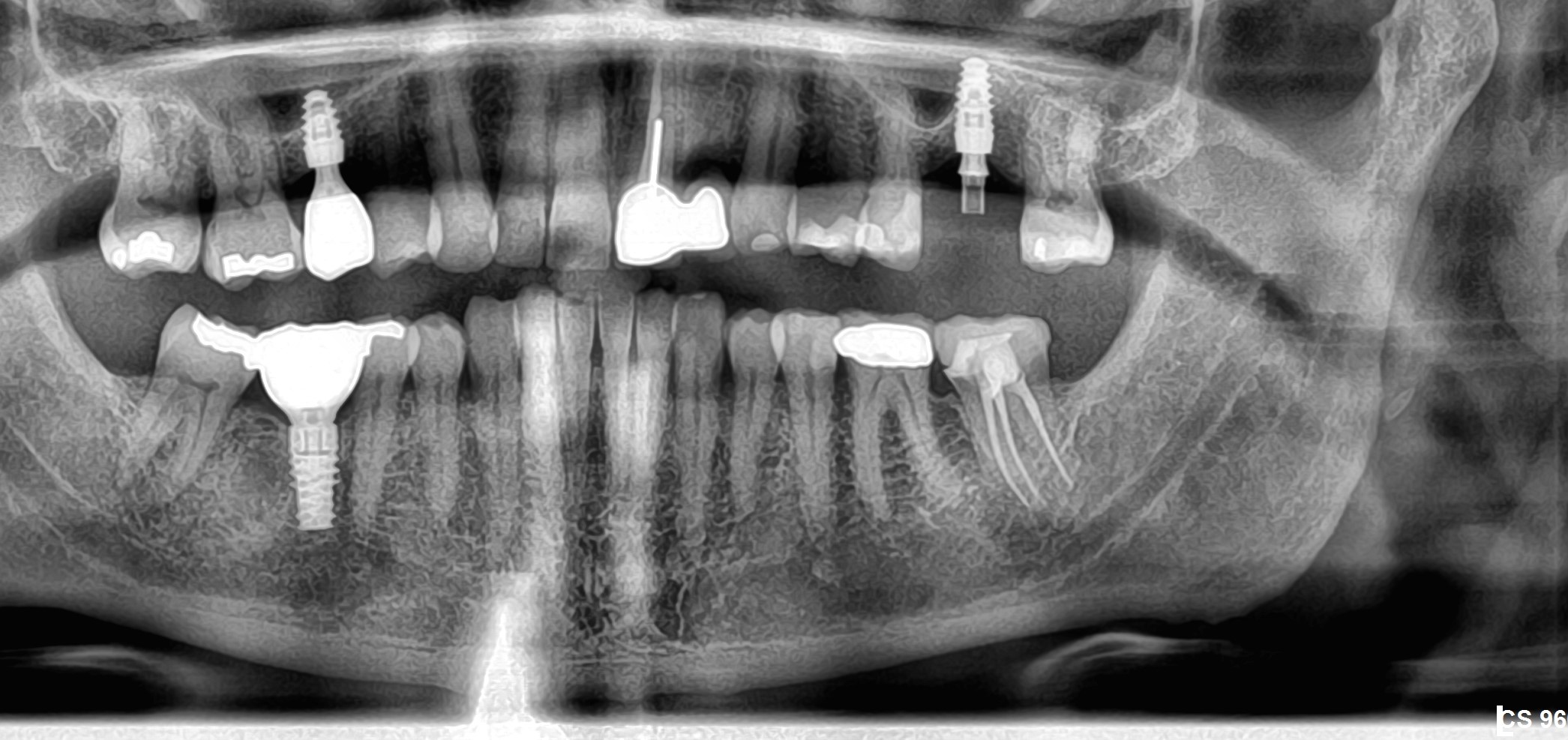
I am an oral and maxillofacial surgeon with a very busy dental implant practice. Within the last two months, three of my implants in two patients failed to integrate. Both of the patients were healthy middle-aged men without any significant negative factors in their pre-surgical assessment or medical workup. Since I was using one of the best implant systems of the world and I was sure that there was no flaw in surgical technique.
I decided to scrutinize their past medical histories. I found out that both of the dental implant patients have been taking Sildenafil (Viagra) before coitus. I am very eager to know if any of my other colleagues have any experience or comment in this regard that can help us all in the future.
3 Comments on Can Viagra Cause Implant Problems?
New comments are currently closed for this post.
Couldn't help my self.dds
3/6/2007
Do they smoke after sex?
Sorry.... It had to be said. :)
GH
3/6/2007
Sildenafil citrate has no contraindications in regards to osseointegration and or biointegration. If anything Sil Cit might augment healing by increasing blood flow.
Often times ED can be a symptom of other underlying health problems. If you haven't already done so you should check lot #s to see if manufacturing is to blame.
Dr. Mehdi Jafari
3/10/2007
The pharmacodynamics of PDE5 inhibitors are determined by their potency and selectivity towards PDE inhibition. Sildenafil, vardenafil, and tadalafil all differ in their potency and selectivity for the 11 known PDE families, which gives rise to differences in their activity and side effect profiles.
All three drugs are potent inhibitors of PDE5. The drug concentration producing half of the maximum inhibition of PDE5 activity, IC50, was reported as 3.5–8.5 nM for sildenafil, 0.1–0.7 nM for vardenafil, and 0.94–6.4 nM for tadalafil. Thus, vardenafil is the PDE5 inhibitor with the highest potency.
More differentiating for the pharmacodynamics of PDE5 inhibitors, however, is selectivity rather than potency. Selectivity of PDE5 inhibition is expressed as ratio between the IC50 for a given PDE and the IC50 for inhibition of PDE5. From the selectivity ratios listed in, it becomes obvious that potential side effects may arise from inhibition of PDE1, PDE6, or PDE11 during the pharmacotherapy with PDE5 inhibitors.
For PDE1, selectivity ratios for sildenafil and vardenafil are clearly below those of tadalafil, but have a relative wide margin of 41–136-fold selectivity. Inhibition of PDE1 may be clinically relevant as PDE1 is expressed in the brain, in myocardial cells, and in vascular smooth muscle cells. Inhibition of PDE1 subtypes may induce vasodilation, tachycardia, and flushing.
Lately, a lot of attention has been directed towards the nonselectivity of PDE5 inhibitors towards PDE6. PDE6 is expressed only in the retina and is relevant for visual transduction. Inhibition of PDE5 has been shown to disturb vision. The FDA recently reported a potential link between a small number of cases of vision loss owing to non-arteritic anterior ischemic optic neuropathy and the use of sildenafil, vardenafil, and tadalafil. Tadalafil is clearly more selective than either vardenafil or sildenafil towards PDE5 relative to PDE6 inhibition. This difference in the selectivity ratio of tadalafil compared to sildenafil or vardenafil may account for the lower frequency of visual side effects with tadalafil (