Damaged Hex on Dental Implant
posted
in
Treatment Planning & Complications
Print This Post
« Resorbed Alveolar Ridge | Standard vs. Computer-Generated Abutments »
Dr. Levitt asks:
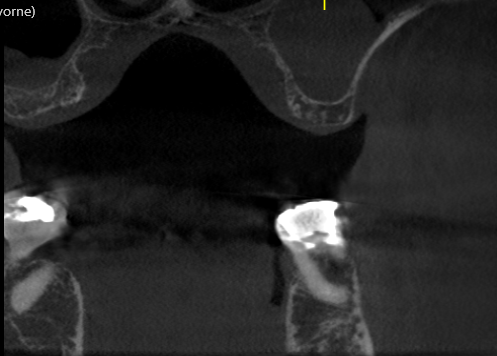
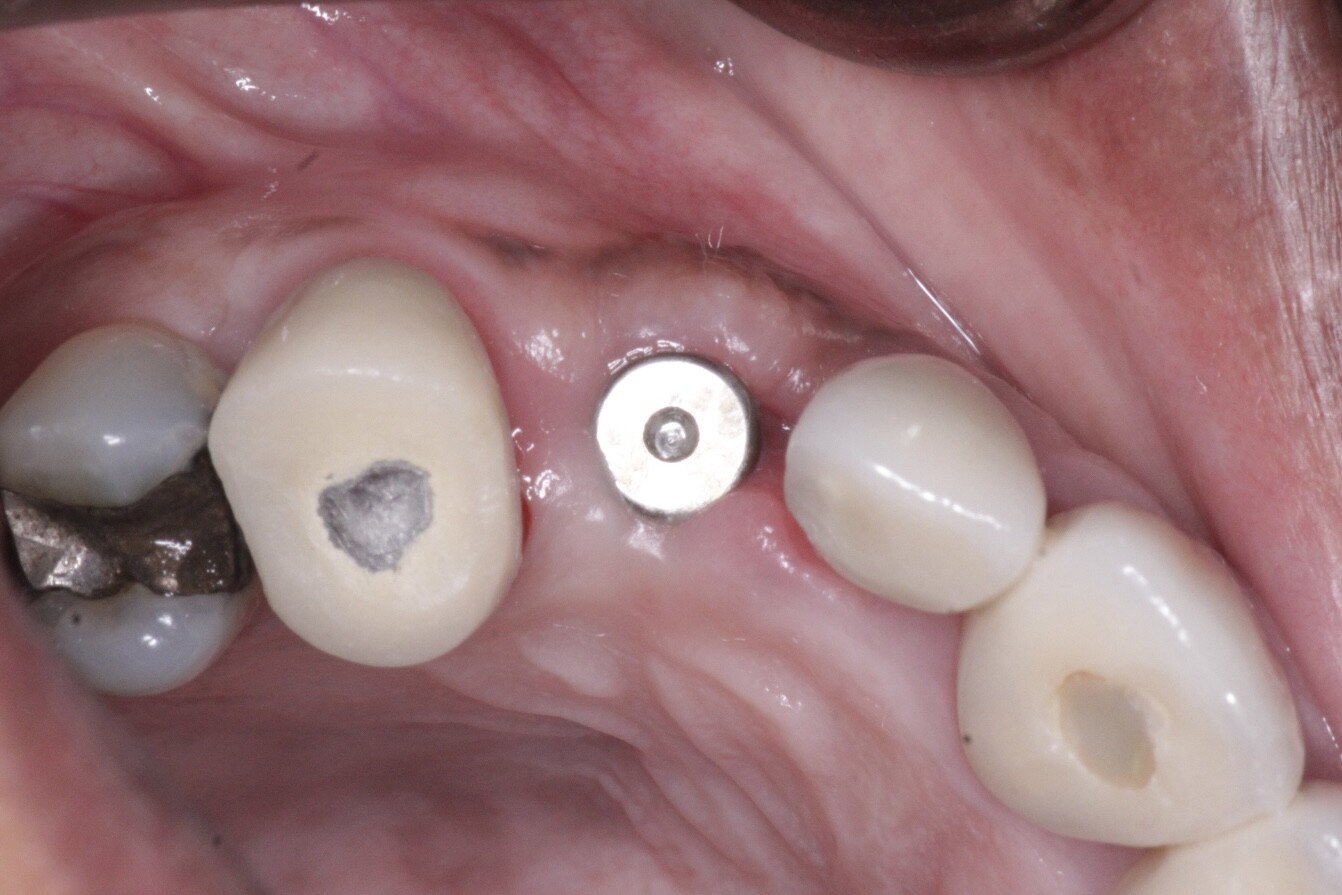
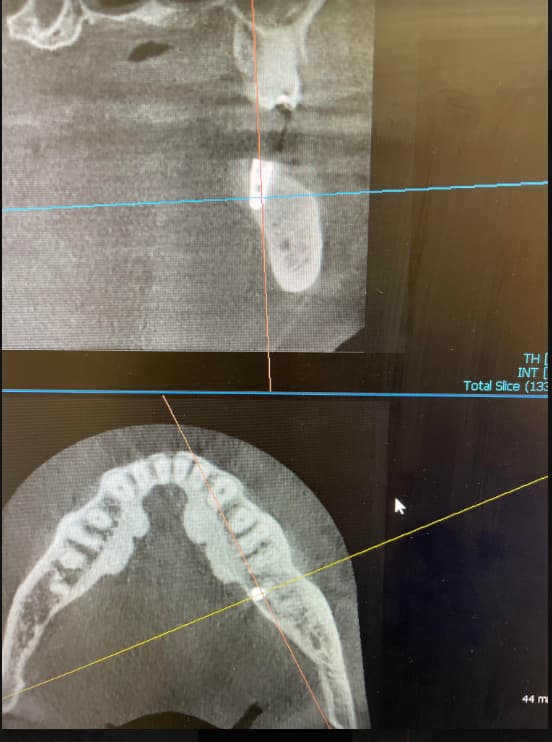
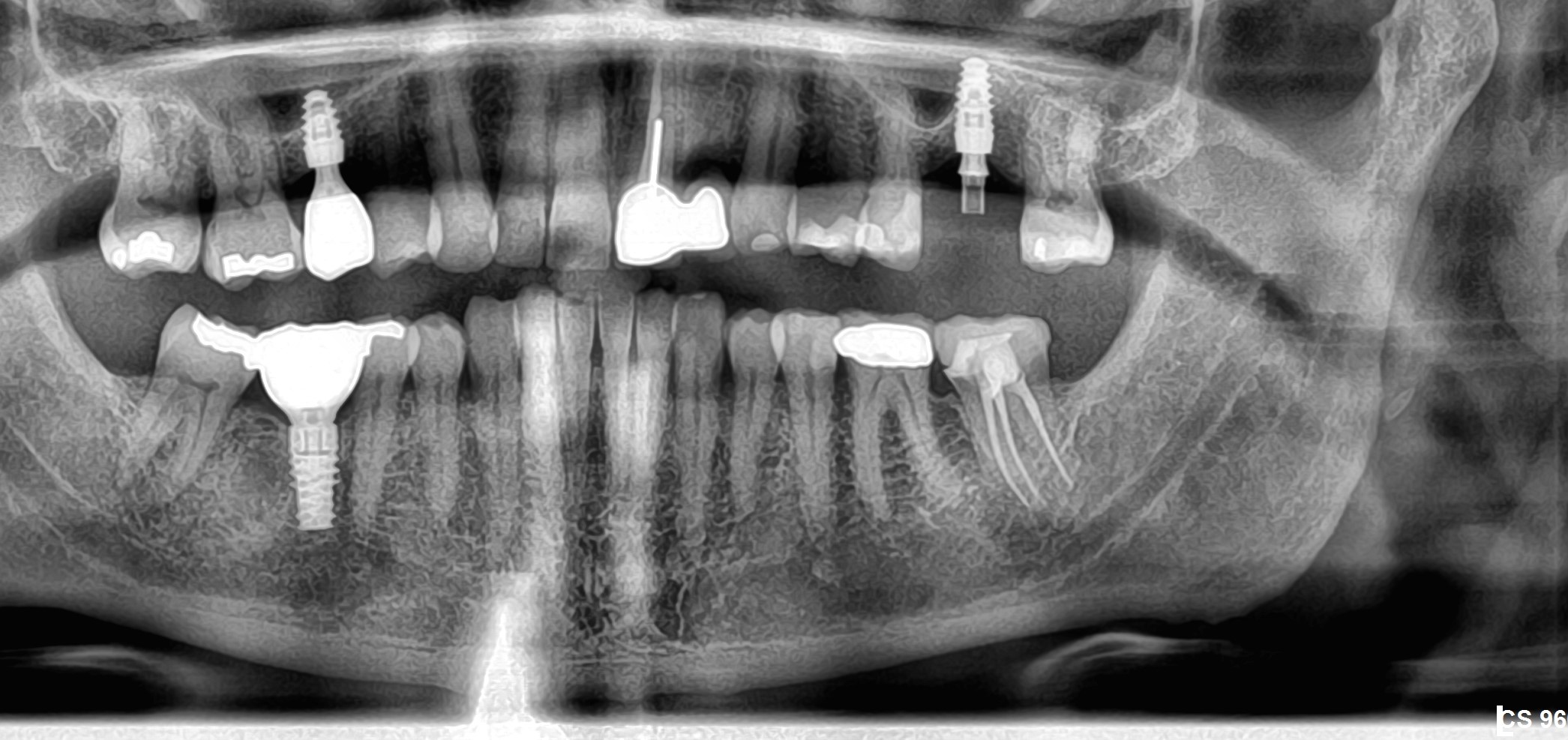
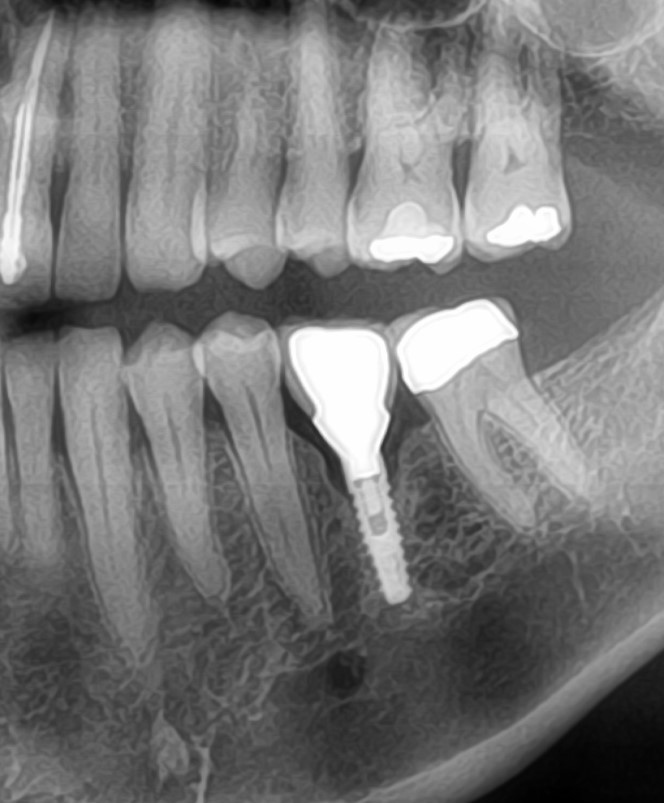
I’d like to discuss the removal of a dental implant with a damaged hex.
As you all know it is possible to damage the external
(or internal) hex of a dental implant by over torqueing during insertion.
Has anyone removed such a dental implant by cutting a slot into the top of the
implant? Any other thoughts on this type of situation?
Free Daily Email Alert Click Here>>
Get OsseoNews.com Comments delivered daily! Click Here to subscribe.
Thu August 07 2008
FREE Weekly Email
Keep current on the latest dental implant discussions! It's Free!
>>Click Here to Subscribe to OsseoNews.com Now!
-
Editor Picks
-
Popular Posts
-
Hot Topics
- Large Defect in the Labial Cortical Plate
- Abutment Screw Gets Stuck: How to Prevent This?
- Crown 1mm Short of the Margin: Recommendations?
- Suture Lost Exposing the Implant: What to Do?
- Mini Implants in Anterior Mandible: Expectations of Longevity?
- Space Between Implant Fixture and Natural Teeth: How Much Is Enough?
- Bucco-Lingual Resorption Exposing the Threads on Implants: How to Manage?
- Platform Switching: Which Implants are Designed for This?
- Options for Provisional Restoration?
- Porcelain Fractures: How To Approach?
- Loose Bio-Oss Particles: Can Implants Be Placed?
- Maxillary Overdentures: What Implant Support is Required?
- Mixing Metronidazole Solution in Grafting Material?
- Sinus Lift Complication after using Summer’s Osteotome Technique?
- Cone Beam vs. Conventional CT Scans: Radiation Levels?
- Sinus Tear: How Long to Wait for Regraft?
- Mini Implants for Long-Term Use?
- How to Avoid Hitting the Mental Foramen Nerve?
- Best Technique for Removing Osseointegrated Implants?
- Fosamax and Dental Implant Treatment
Implant Courses
>>More Implant Courses

12 Responses to “ Damaged Hex on Dental Implant ”
Cut a slot into the top of the implant and unsrew it usin hand screwdriver. If the implant is made bu titanium ASTM grade 4 or 5.If not or the implant is osteointegrated- use trephane.
have been placing implants for 25 years, have never stripped an internal hexed implant by over torqueing, I believe it is impossible, I routinely torque above 40N, as for the External, well that is why I don’t place them anymore since Jerry came out with the internal hex, and good luck trying to unscrew the implant, again impossible if already intergrated, use a trephined sized to the diameter of the implant and if possible place a new implant immediately, use very slow speed and a lot of irrigation!
If you cut a slot then it must be deep into the implant and the implant must be relatively loose. Otherwise it will deform out laterally as you attempt to unscrew it. Try this, but have a trephine on hand. Its fairly quick to trephine out an implant.
Stu Lieblich
It sounds like the trephine is the way to go but if you are an innovtor, consider what auto mechanics face when they sheer off a bolt in an engine block. A device called an “easy-out” is essentially a tap with a reverse cut thread. As you tighten the “easy-out” it has the effect of unscrewing the threaded implant. This will require research to find if “easy outs” are manufactured in such small diameters but who knows, maybe your research and experience will advance implant removal techniques.
If the damage is not big try to smoothen the surface with a diamond bur. Also prepare the interior side of the implant by cutting off the theads. Take an impression as you do for dental radicular posts. Than ask a lab tu make a titanium post that you’ll fix it with cement in the implant
if the implant is well integrated and in adequate restorative position, prior to removing it I would try to place a non-exed abutments (such as bridge type) abd take a standard crown and bridge impression or as a secondary option make a single piece srew retained restoration not engaging the hex(old style UCLA), if possible, in the lab and torque it once you have positioned it in the mouth.
Implant removal although ideal is extreme ratio.
Has anyone used Nobel’s implant removal tool for broken replace select implant?
I would go with a trephine.
If you want to save the implant and is part of a bridge or bar, just use a non engaging non hex abutment and will do just fine. If its a stand allone… there are ways to save it like using a highspeed turbine to retouch the hex, remove some of the threads of the inner screw and make a guided impresion , your lab can do the post in titanium alloy and a screw and a good cement like unicem or ultrabond you will get a nice single post for a crown.
luck
can somebody recomend a specific brand of trephine for removing integrated(broken screws or head)implants.what about combining between creating a slot for unscrewing and trephine for the first half of the implant.
We have been told not to use an electrosurg to uncover an implant as it might disrupt osseointegration. Has anyone ever tried to use it to purposely cause an implant to loose its integration and make removal easy?
While any of these old paradigms can successfully remove a damaged implant, be sensitive to the damage caused to the surrounding bone. If you usa a trephine to remove an implant, you will definitely burn bone. You will also contaminate the osteotomy with titanium filings from the implant surface. This will complicate immediate implant replacement. For the past 5 years, we have routinely used the Er,Cr;YSGG laser to atraumatically remove failed implants. There is no thermal damage or destruction of the implant body. Implants replaced in the osteotomy fare extremely well and there is minimal bone loss from the procedure. There is ample literature to back up the use of this modality for both issues.
Simple, for any broken abutment screw, there will be no pre-load or binding force between the internal threads of the implant and the threads of the broken screw. That is to say it can be “unwind” or rotate counter-clockwise easily.
By this time soft tissue must have grown over the device. Freeze the soft tissue, have good visibility, use a # 11 blade and engage one side on the top of the broken abutment screw and back it out. You might go through a few of these blades as the sharp point would become dull and be less effective in engaging the top of the broken screw.
This will work as long as you have not use any instruments (no matter how small it is) to drill the broken screw out.
Once any part of the screw threads is nicked or damage, use any one of the previously posted method.
Good luck
Leave a Comment
Note: Please refrain from ad hominem attacks, and promotional comments. Outside links are not permitted in comments. Though we require an email to route questionable comments to our editors, we will NEVER publish your email or use it for any other purpose. Thank you for your understanding.
Note: At times your comment may not appear on the website immediately, because it has been sent to our editors for approval. Once approved, we will publish the comment. There is NO need to resubmit your comment, if it does not appear on the website immediately.