FDA Comments on Human Tissue Risks
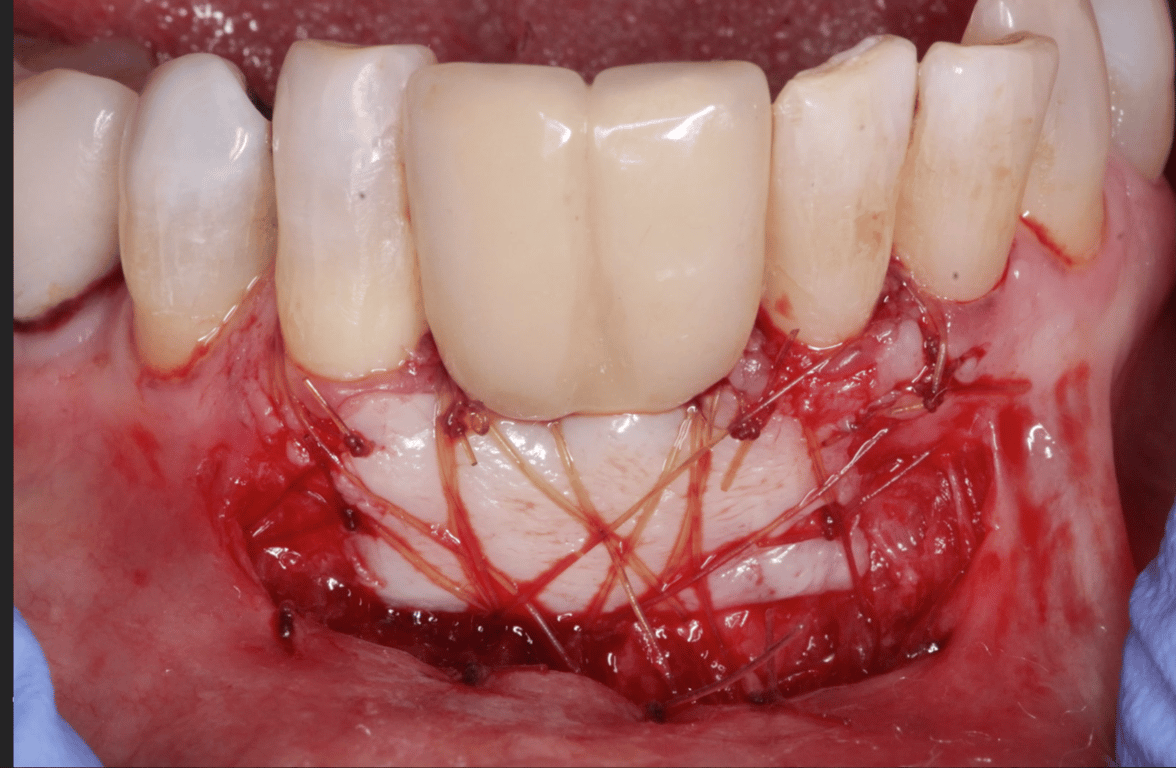
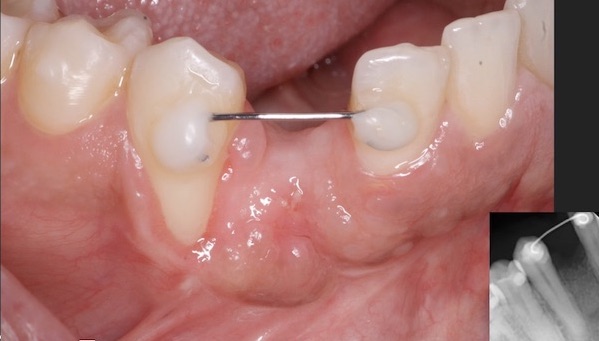
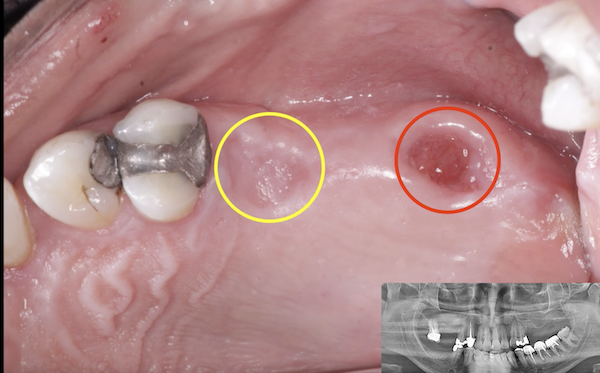
For the second time in a year, people who received tendons, cartilage and other parts from donated cadavers are being urged to get tested for hepatitis and the AIDS virus because of scandals involving tissue suppliers. Cadaver tissue is used for everything from back surgery to dental implant surgery.
“If they’re six months out (from the transplant) and they test
negative, they don’t have to worry,” said Dr. Clifford McDonald, an
infectious disease specialist at the federal Centers for Disease
Control and Prevention.Chances are good that an infection would have taken hold by then, or at least shown up in blood tests, he said.
On Aug. 18, the U.S. Food and Drug Administration shut down Philip
Guyett Jr. and Donor Referral Services of Raleigh, N.C., citing
“serious deficiencies” in manufacturing practices. In some cases,
records did not match what official death certificates showed, and left
out details like a donor’s history of cancer or drug use that may have
made the donor’s tissue ineligible for transplant, the FDA’s order says. Last week, the FDA urged doctors to contact patients who received
tissue from the firm, saying that additional information from the
ongoing investigation “has heightened our concern” about the situation. Tissues typically are distributed nationwide, so patients anywhere could be affected.
An industry group, the American Association of Tissue Banks, estimates
that fewer than 100 donors are involved in the Raleigh company’s case.
But each donor can provide 100 or more tissues, and the company also
operated in Las Vegas from 2004 to 2005, the FDA notes.
“Although this is an extremely serious matter,” says an association
statement, this case appears much smaller in scope than one earlier
this year involving Biomedical Tissue Services, a now-defunct New
Jersey company that may have provided up to 20,000 potentially risky
tissue products.
Good treatment and processing methods can make tissue safe “even if it
was not screened properly or came from an infected donor,” said Dr.
Marion Kainer, a Tennessee Department of Health infectious disease
expert who formerly investigated tissue cases for the CDC. Most risky, she said, is so-called “fresh-frozen” tissue like cartilage, which cannot be sterilized without ruining the tissue.”The chances of that being contaminated are much greater” than with
bone, for instance, which can be treated with radiation to destroy
germs, she said.
FDA public health alert: www.fda.gov/cber/safety/drs083006.htm
Tissue questions and CDC advice: www.cdc.gov/ncidod/dhqp/tissueTransplantsFAQ.html
List of accredited businesses: www.aatb.org/aatbac.htm
Reporting tissue problems: www.fda.gov/cber/tissue/hctadverse.htm
Source:
Marilynn Marchione, www.contracostatimes.com