Filling the Screw Channel
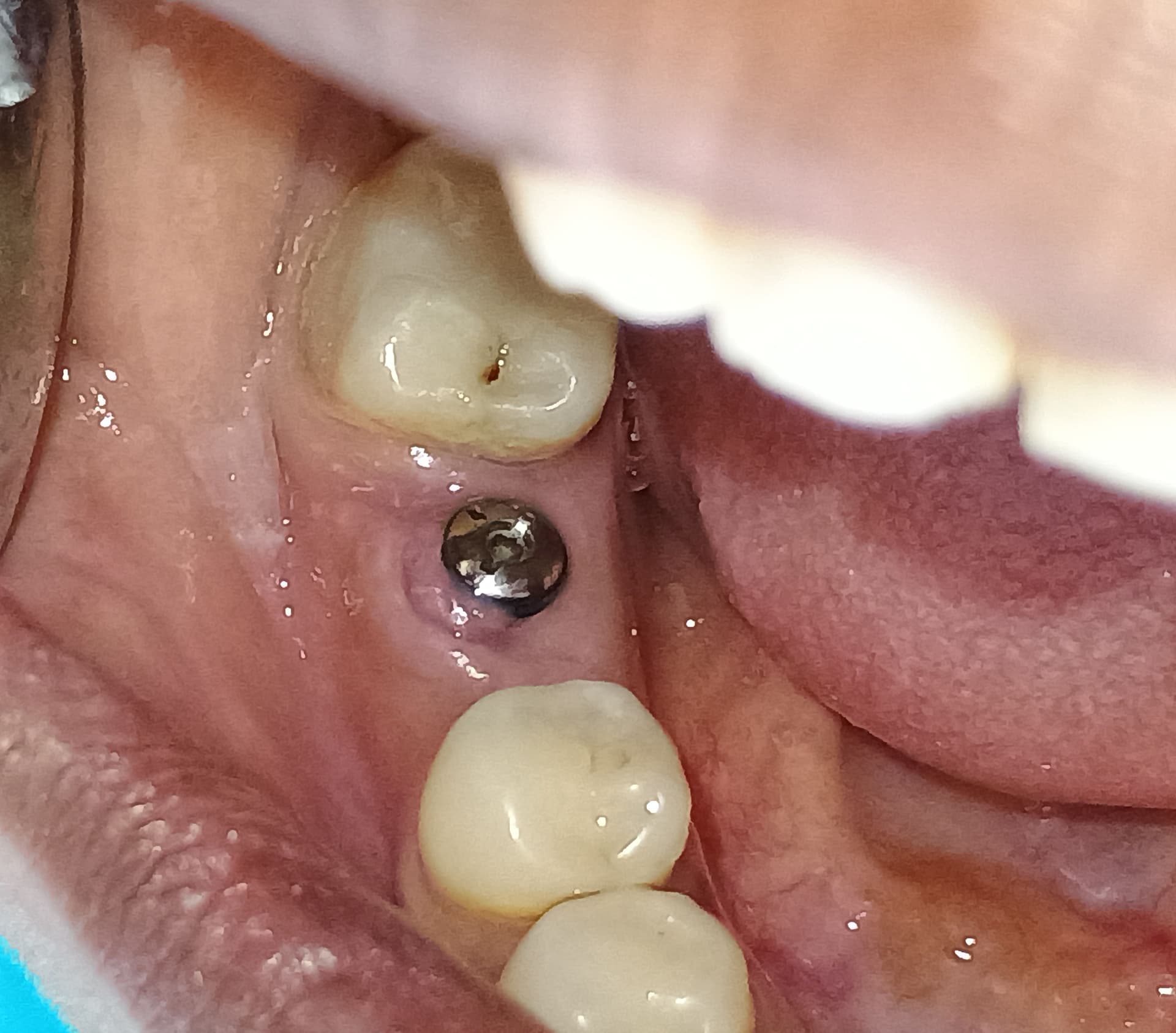
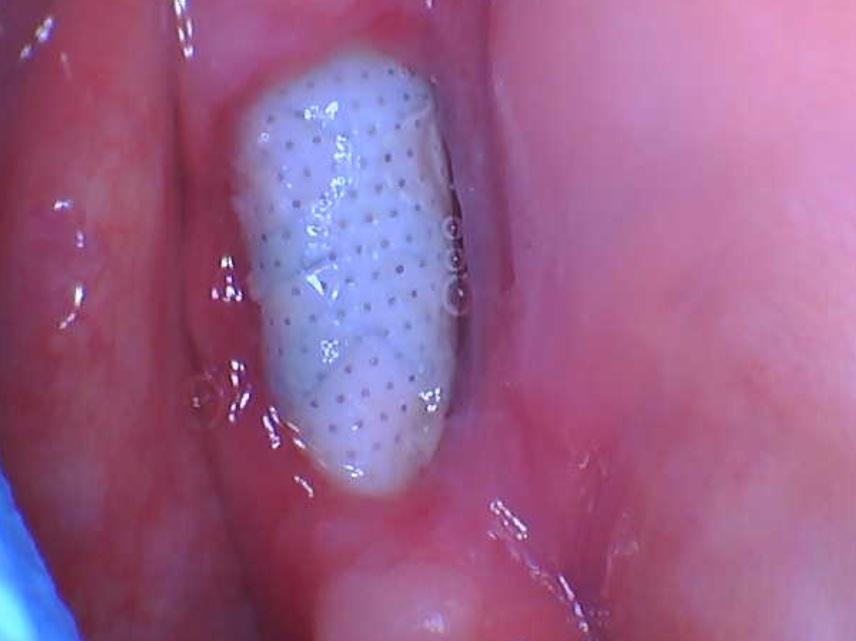
I have heard a number of speakers recommend different materials for filling the screw channel before cementing a crown or bridge.
I have heard of gutta-percha, cotton, Cavit, vinyl polysiloxane, etc. What are most of you using? What problems have you had? Has anybody had problems seating the crown after filling the screw channel?
12 Comments on Filling the Screw Channel
New comments are currently closed for this post.
Anon
1/17/2006
I've seen as many preferences as I have peers. One thing seems consistant.....whatever you use, place a cotton pellet in the head of the screw. The key idea seems to be getting access to the screw without digging Cavit, PVS or anyting else out of there. When you get to the cotton pellet you know you have clean access for your screw driver.
Ken Ingber
1/17/2006
I have been using a variation of several materials since 1985. The best I have come up with as of now ( could change tomorrow ) is first place some PVS directly on the screwhead filling the channel approximately 1-2 mm fromt he occlusal surface. Then flow self curing unfilled resin on top of the PVS followed by light cured resin. We have been relativeky successful with this technique, both estheticlly and retention wise. I no longer use cotton pellets, not necessary. The PVS can usually be easily removed without any 'leftovers.'
Alan Chenman
1/17/2006
We have been using Barricaid light cured perio dressing from Caulk/Dentsply. No cotton pellet necessary. If you need to remove, just stick the end of an explorer into the cured material and lift out cleanly.
Robert P. Marier
1/17/2006
I use gutta percha right out of my Obtura gun. Advantages: It's inert; readily picks out clean, in one piece, if access to the screw head needed; no worry over possible unset pvs base or catalyst. dimensionally stable. I place the crown dirctly over the cooling gutta to be sure that I don't open the crown margin. No cotton to be pickin' if you need to get back in there. GP won't react with or retard set of cements (definitive or interim).
Lawrence Lizzack
1/17/2006
I use fermit to fill in the screw holes in my transfer coping impressions so the lab can more easily seat the transfers back into the impressions. I also use fermit to fill the screw holes before cementing crowns over the abutments. I have not had any problems using this material. Its rubbery when set and comes right out with an explorer.
Davaid K. Oyster, DMD, MS
1/18/2006
FERMIT....its rubbery, easy to pick out, and if you use a just enough to cover the abutment screw, and then use Flow-it or another composite to "hide" it, you can discern the differnece using a slow speed when you remove it.
Cotton pellets wick "gradu", ie. moisture and bacteria, into the access area....
Too many times we have tried to "recover" another's implant crowns and abutment screws SEALED with hard composite, and run into the abutment screw, making it difficult to engage the abutment screw!!
Davaid K. Oyster, DMD, MS
1/18/2006
I like the Baracaid idea too! Place, cure, cover with composite...different textures when you remove it.
Dr. R Mosery
1/18/2006
fermit is excellent for this.a small amount on a plastic instrumentand you just burnish it against the abut. opening walls it comes out clean. cavit might save you a few seconds on placement but you regret those saved seconds when you go to reaccess the screw
JML
1/25/2006
Try placing a small piece (3-4mm) of superfloss over the screw pushed into place and covered with composite. The super floss is like a sponge and is easily removed.
Vipul G Shukla
3/18/2009
I was looking for best ways to fill the channels on a 4-unit implant-retained bridge I just screwed in over SynOcta abutments in a patient from 14-17, and this discussion on your website was very helpful.
I have always preferred softened Gutta Percha, and that is what we used today, I like it over cotton pellets because it is inert and comes off clean after the composite is drilled off, if maintenance work requires me to remove the bridge for any reason. And I'm sure a 4-unit bridge over screwed in SynOcta abuts and prosthetic screws will need maintenance a few years from now. Retrievability is the key reason for going screwed-in Vs. cemented, and planning ahead is worth it.
Thanks everyone.
R. Hughes
3/19/2009
If you do it right, you do not have to retreive the case. I use wax in the access holes.
v
7/23/2011
if the cotton is first drenched in wet antiseptic, won't this cause problems?
Should the cotton pellet be dry?