Fractured Screw: What Are My Chances?

Print Print

Dr. H. asks:

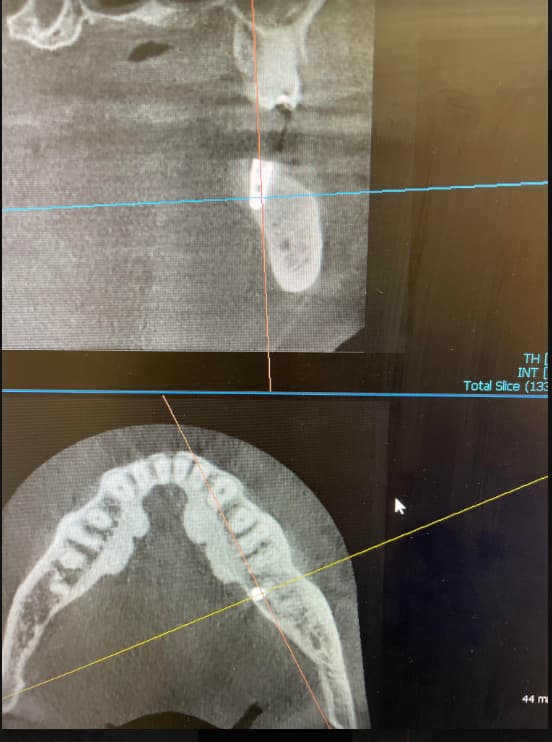
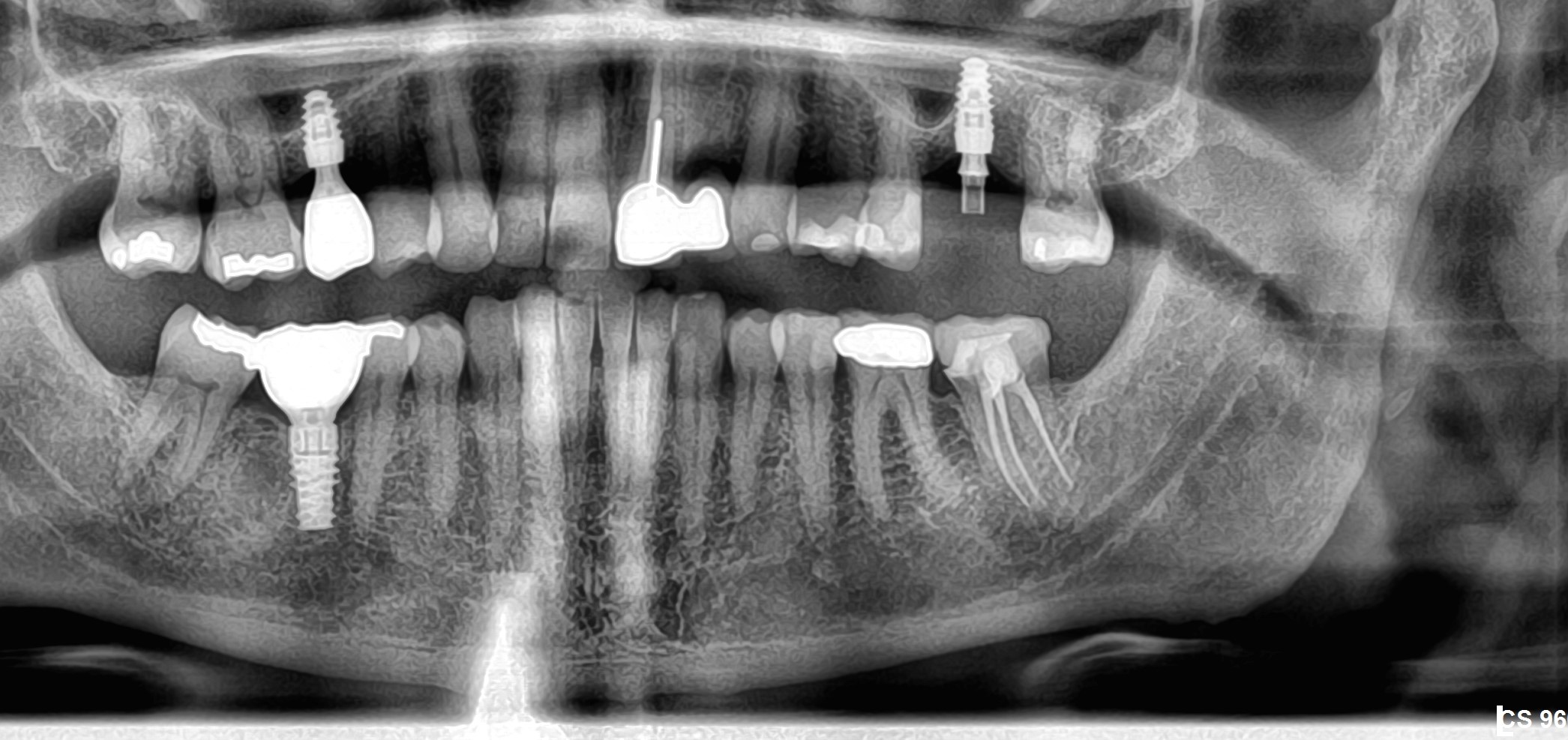
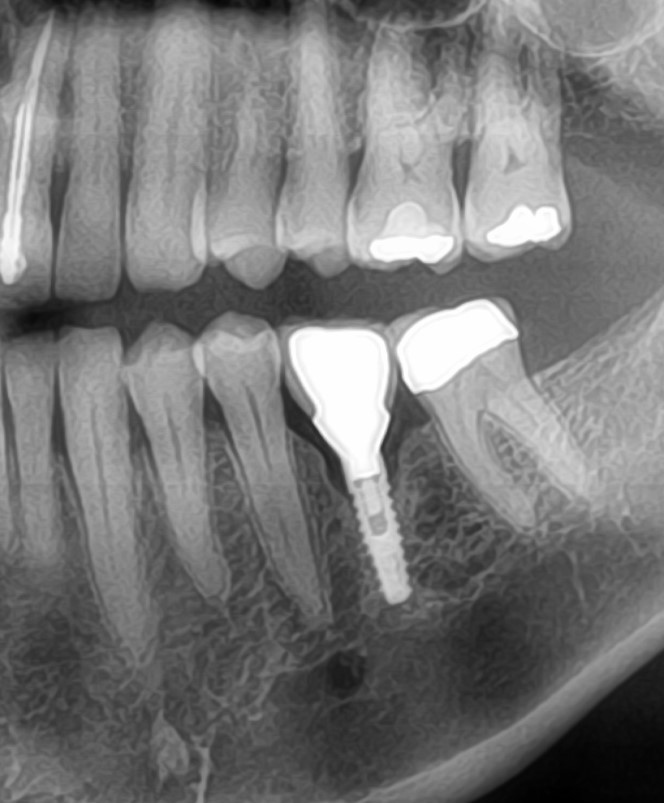
I am an Australian dentist. I recently went to place a screw-retained abutment and cement-retained crown on the upper right premolar.

The surgeon had placed a Branemark narrow platform 15mm length dental implant. I screwed down the abutment and started to torque it down with my Nobel Biocare torque wrench to 35Ncm as advised. I was surprised as I did this that I could not torque the screw down to the desired setting and the torque wrench kept engaging the screw and turning but just short of the 35ncm. Then the screw fractured. How is this possible?

At first I thought I may have used the lab screw but this was not the case. I then thought that a narrow platform screw may only go to 20 Ncm but the literature does not mention this anywhere.

What are my chances of backing this screw out? It fractured about 0.5mm into the implant. The screw retrieval kit arrives tomorrow, but reading some posts about using it describe long ,difficult and tedious attempts to back out the screw. Any helpful hints and comments telling me I will get the screw out would be nice. Thanks.
7 Comments...Read them below or add one

  1. Michelle Cantwell
    Michelle Cantwell July 24, 2007 at 7:06 pm |

    Your chances should be excellent. I’ve had great luck with cutting a slot into the head of the remaining portion of the screw with a narrow carbide bur and then using an explorer tip to gently back the screw out. In my practice broken screws only happen on Friday afternoons though, or right before holidays. Good luck!

  2. Cheryl Kantor-Goldenberg
    Cheryl Kantor-Goldenberg July 24, 2007 at 7:33 pm |

    I recently used a trick told to me by a prosthodontist. He told me not try to use a high-speed handpiece. The bur will only tighten
    the broken screw, and in a tight place, even
    with the tiniest bur, you can damage the threads,
    thus preventing any further rotation by the
    screw. Instead, he advised gently rotating
    a cavitron tip counter-clockwise. The vibrations
    of the sound waves loosen and turn the
    screw. I can assure you that this worked for me,
    and quickly. My patient was beyond thrilled as
    I was able to reseat a ten-year-old bridge.Good luck to you!

  3. Dr John Berne
    Dr John Berne July 24, 2007 at 8:13 pm |

    The good news about broken screws is that once the head snaps there is no load on the threads, therefore they should be relatively easy to unwind if you can access the top of the fractured screw.
    One of the problems of using implants made out of cp titanium is their weakness. I can honestly say I can’t recall having experienced a fractured screw made out of titanium alloy. All implants should be made out of this material, it’s up to 9 times stronger than cp titanium.

  4. Dr. S
    Dr. S July 26, 2007 at 4:48 pm |

    The cavitron idea sounds excellent! If you don’t have one, I have been successful many times with another technique. On a contra angle slow speed hand-piece mount a 1/2 round bur that is slightly out of round counter-clock-wise by gently bumping the broken screw with out touching the internal threads of the implant.

  5. Bill Pace DDS
    Bill Pace DDS July 27, 2007 at 9:40 pm |

    Dr H I hope you have successfully removed the post at this time,if you haven’t try your ultra sonic,place the probe on the fractured screw and hope it backs out,or you can drill it out and place a conventional post.

  6. RICK HARDEN
    RICK HARDEN August 1, 2007 at 6:00 am |

    got the little sucker out. tried using nobel biocares screw retrieval kit but did not seem to be getting anywhere. finally resorted to cavitron as suggested by Cheryl Kantor-Goldenberg & Dr S and heY presto out she came. thank-you guys you were such a help.
    Dr H

  7. Anonymous
    Anonymous November 10, 2011 at 4:19 pm |

    I dropped a lab screw on the floor and replaced it with the wrong screw. I ended up breaking screw in abutment. What do I do? How do I remove it?

Comments are closed.


Never Miss Any Updates From OsseoNews.com!

Get notified about our new implant cases and questions. It's FREE!

Subscribe by Email

Get alerts directly into your inbox and stay updated!
Subscribe Now!