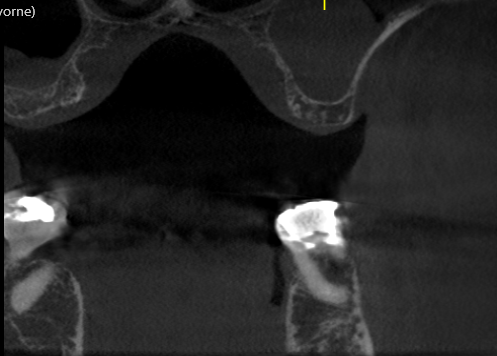
Implant with Deformed Head and Stripped Threads: How to Manage?
Anon. asks:
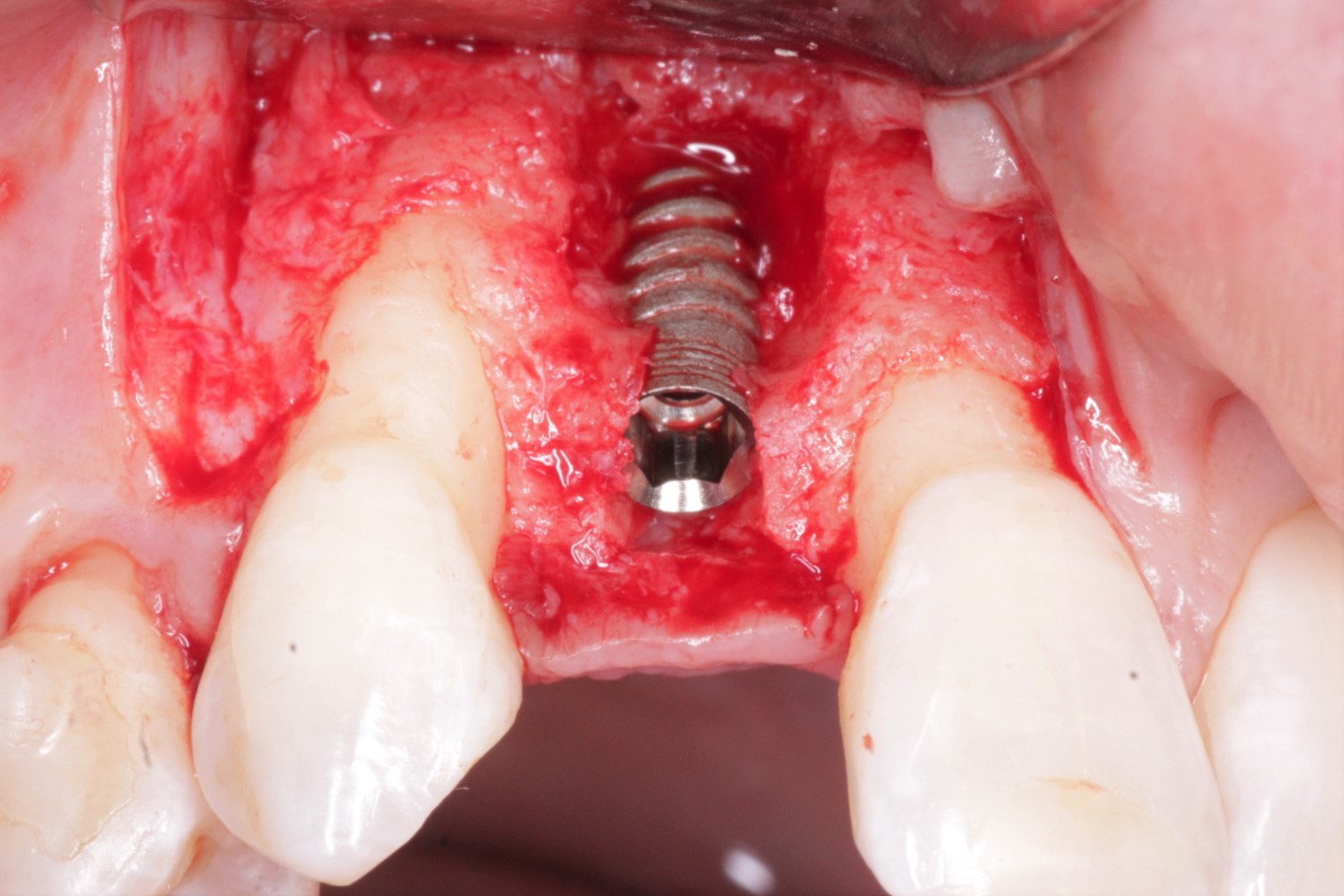
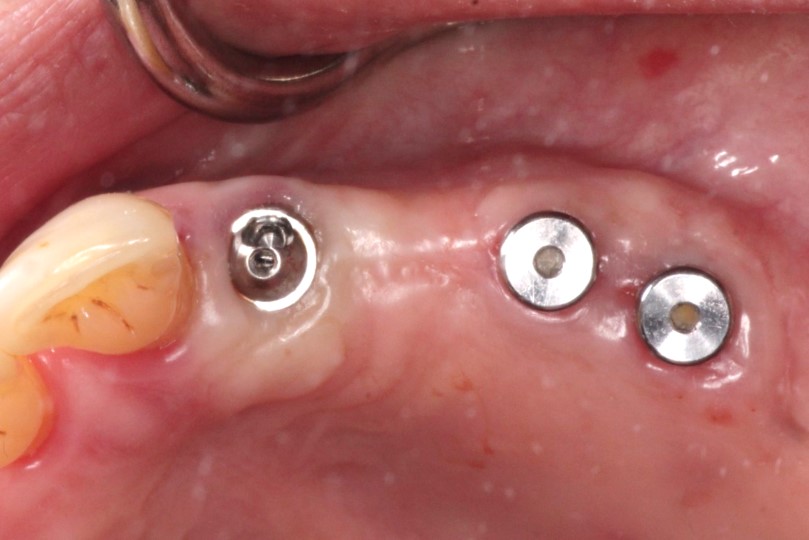
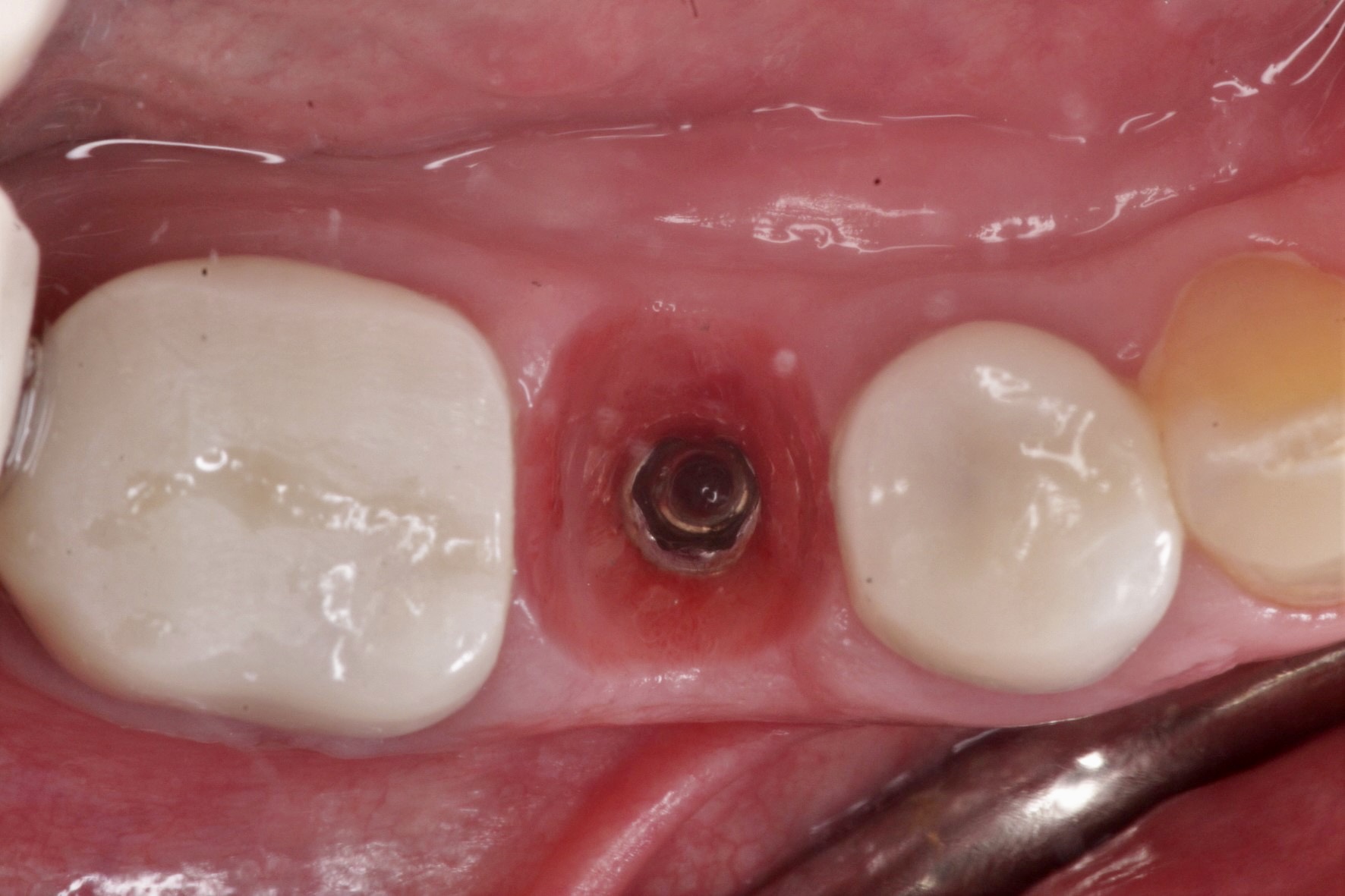
I am restoring an implant that has a deformed head and stripped threads. I am having to resort to cutting part of the head away to create sufficient space for me to use an unconventional approach to restoring this damaged implant. What are the best diamonds to use for this purpose? Do I have to be concerned about creating too much heat through friction? Will this damage the bone around the implant? How do I scavenge up all the metal filings?
2 Comments on Implant with Deformed Head and Stripped Threads: How to Manage?
New comments are currently closed for this post.
Gary D. Kitzis, DMD
5/13/2008
I am restoring an implant that has a deformed head and stripped threads. I am having to resort to cutting part of the head away to create sufficient space for me to use an unconventional approach to restoring this damaged implant. What are the best diamonds to use for this purpose? Do I have to be concerned about creating too much heat through friction? Will this damage the bone around the implant? How do I scavenge up all the metal filings?
How did the head become deformed and have stripped threads?
Why do you have to cut away part of the fixture to create space?
Cutting away the implant head will likely result in losing any antirotational ability of the implant as well as the prosthetic screw having to support the entire occlusal function of the crown.
To answer your questions, you do need to be very concerned about heat.
First, I would contact the implant company because they might have a rescue tool that utilizes a jig to help create a good new surface for restoration. If one is not available, I would use new sharp carbides for most of the cutting and switch to fine diamonds when you are doing the last bit of finishing on the surface. A bur CUTTING will produce less heat than a diamond GRINDING the titanium surface. The diamond will give a less chattered surface for final finishing. Use copious irrigation throughout. Elevating a flap for vision and access is important. Removal of metal fragments can be accomplished by heavy irrigation, suction and curettes for removing remaining adherent fragments from tissue surfaces. Using a light cured flexible rubber dam material to build up around the implant head and retract the flap after it has been elevated and prior to reshaping the implant head, will help prevent metal from sticking to the flap.
JW
6/26/2008
I'm not that creative or smart, I would take it out and place another after GBR