Mitral Valve Prolapse
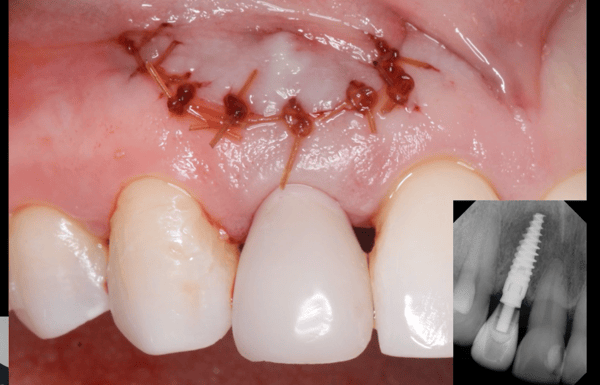
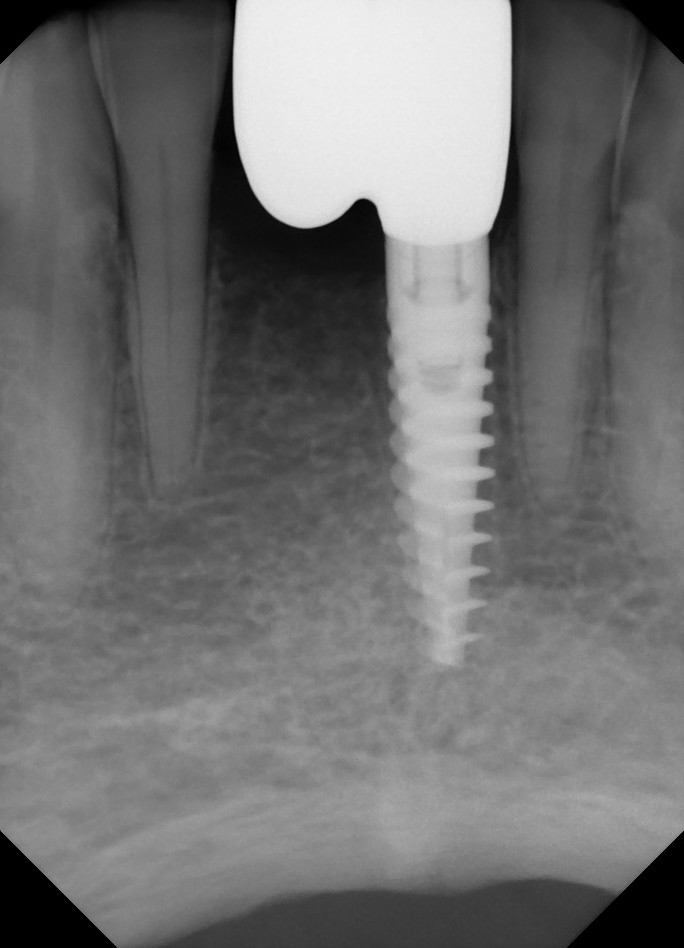
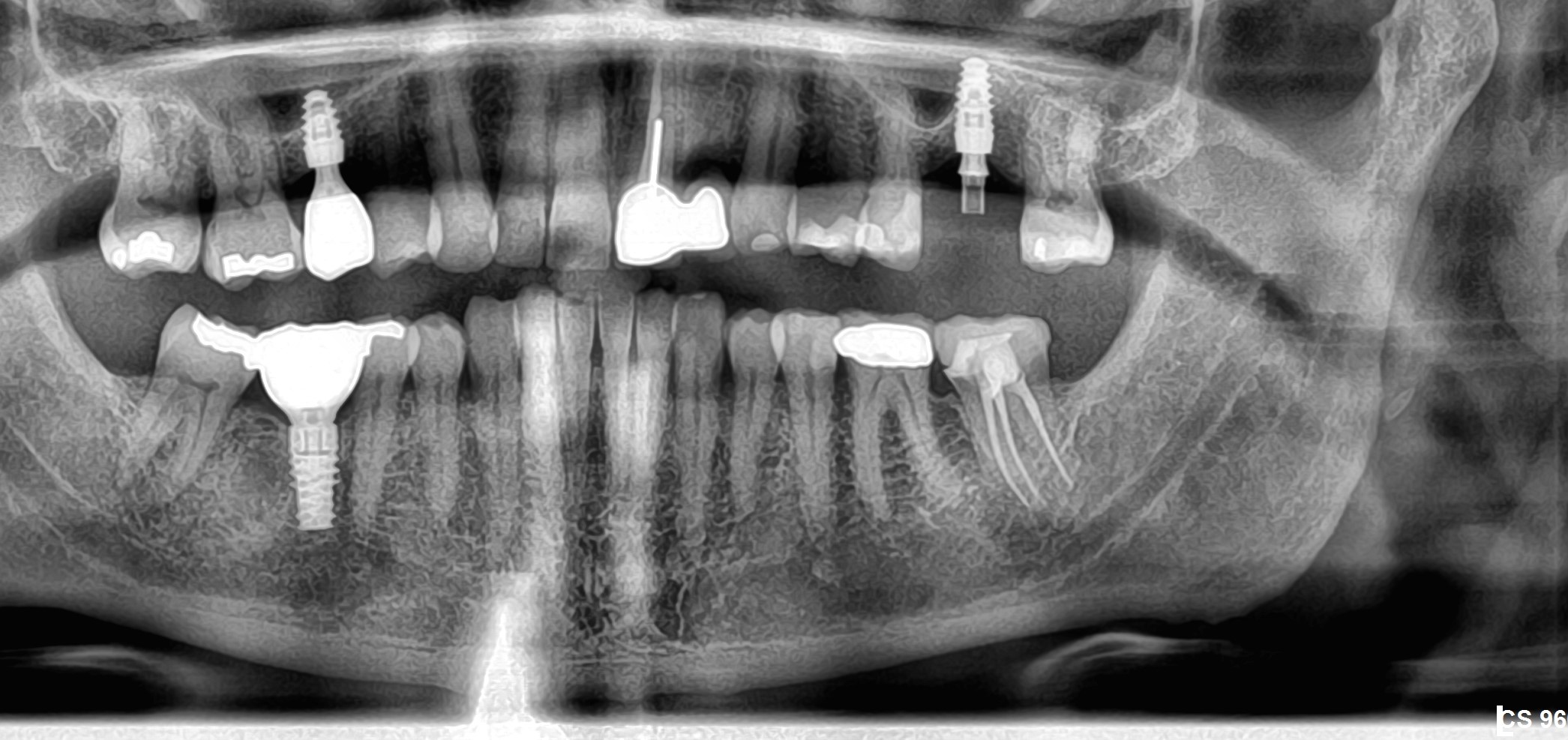
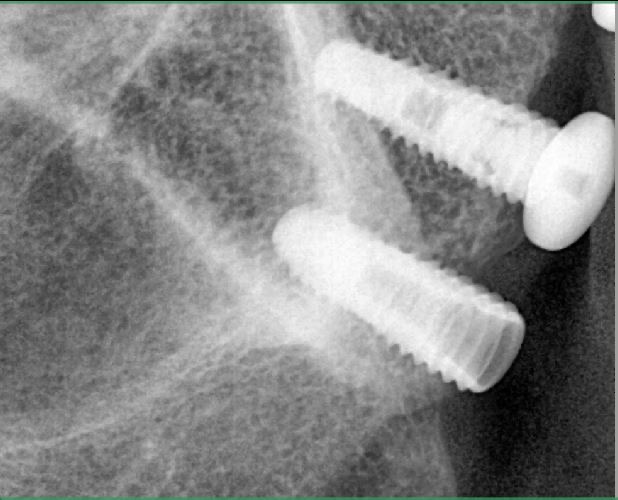
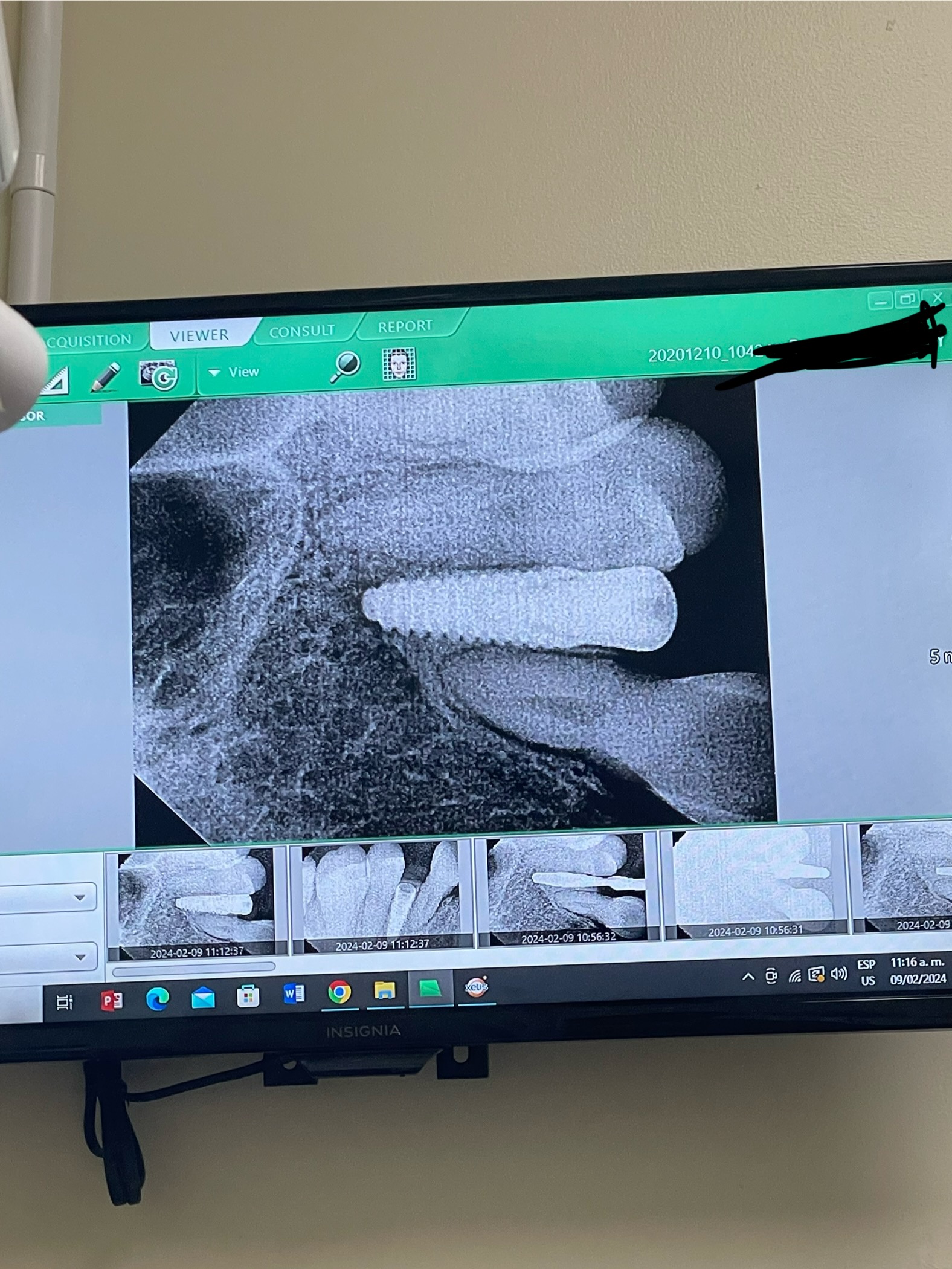
I have started treatment planning a dental implant rehabilitation for a patient with mitral valve prolapse with regurgitation.
She will be receiving multiple dental implants and two dental implant supported bridges. She routinely
takes an antibiotic premedication (amoxicillin) for dental treatment that involves gingival bleeding, surgery, etc. A periodontist will be placing the dental implants and I will be restoring them. When should I have her take the amoxicillin? Every time I try in the abutments and bridge components? Any thoughts or comments would be appreciated.
10 Comments on Mitral Valve Prolapse
New comments are currently closed for this post.
Joseph Kim, DDS
4/11/2006
Only when significant bleeding is indicated. For trying in of components, no. For cementation, depends on condition of gingiva.
Anon
4/11/2006
I do not see that you would have to routinely give antibiotics for try in of abutments etc. She will do more with routine hygiene than you will with try in of the abutments. If you have to debride or trim tissue in order to place the abutments, then you will need to give them. Otherwise a good rinse with peridex should suffice.
John
4/11/2006
Sometimes the tissue adheres to the healing screw and gets "torn" when the screw is removed. Is this enough of a reason to premedicate?
Michael Katzap, DDS
4/11/2006
when placing healing abutments at uncovery, and between visits I place bacitracin on to the screw and inferior portion of the the abutment. I find it keeps the tissue healthy and looking well between visits. Peridex....always welcome
JML
4/12/2006
Caution! You are dealing with a life and death situation. Premedication can cover the patient so why take the chance.
prsnk
4/12/2006
Every clinical situation involving bleeding should be covered with antibiotics( in this case, wich is a high risk one). And I think, this only reduces the danger of colonisation, but doesn't preclude it!
So, we should determine the likelihood of bleeding and bacteriaemia during our intervention in order to decide about antibiotic coverage.
But tell me, how many of your interventions trully go without bleeding?
I don't think 2+2=4 here, and the eventual falures are unthinkable.
Francisco Salvado - Port
4/13/2006
Every dentist must read the American Heart Association protocol for dental treatment...and after you must think that you are not treating teeth or implants but patients.
Ossama Ghorab
4/17/2006
I do believe that we are treating a patient having teeth, so, it is recommended to give the patient of mitral valve prolapse from 2 to 3 gram of amoxicillin maximum one hour prior any dental procedure even if you are try in the implant abutments for more patient safety
Chia-Ming Lee
4/18/2006
Clinical decisions are made after weighing the risks and benefits. Pre-medication increases the risk of building bacterial resistance, so how far apart do you want to separate your appointments to avoid that? 2 weeks? 2 months? Ultimately, the risk is also something the cardiologist can provide useful input on. So why not contact her cardiologist also for his/her recommendation, before you make that decision? Note that they cannot make that decision for you - you still have to, and it will still be your responsibility; but at least get his/her opinion as to the specific risk this particular patient presents with.
LCM
Leena
3/1/2018
Hi I know this is an old post but can you please give an update of the patient you trrated for implants with mitral prolapsed valve please . I am very interested in the outcome as I am currently going through the same dilemma should I or should I not get implants