No Attached Keratinized Tissue Around Implants: Recommendations?
Anon. asks:
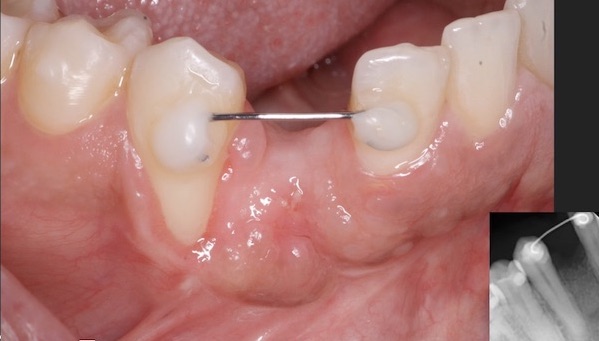
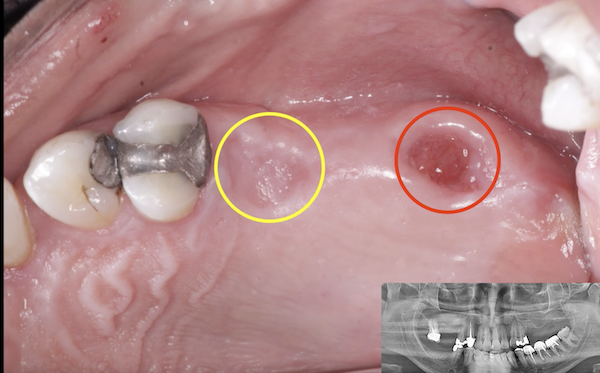
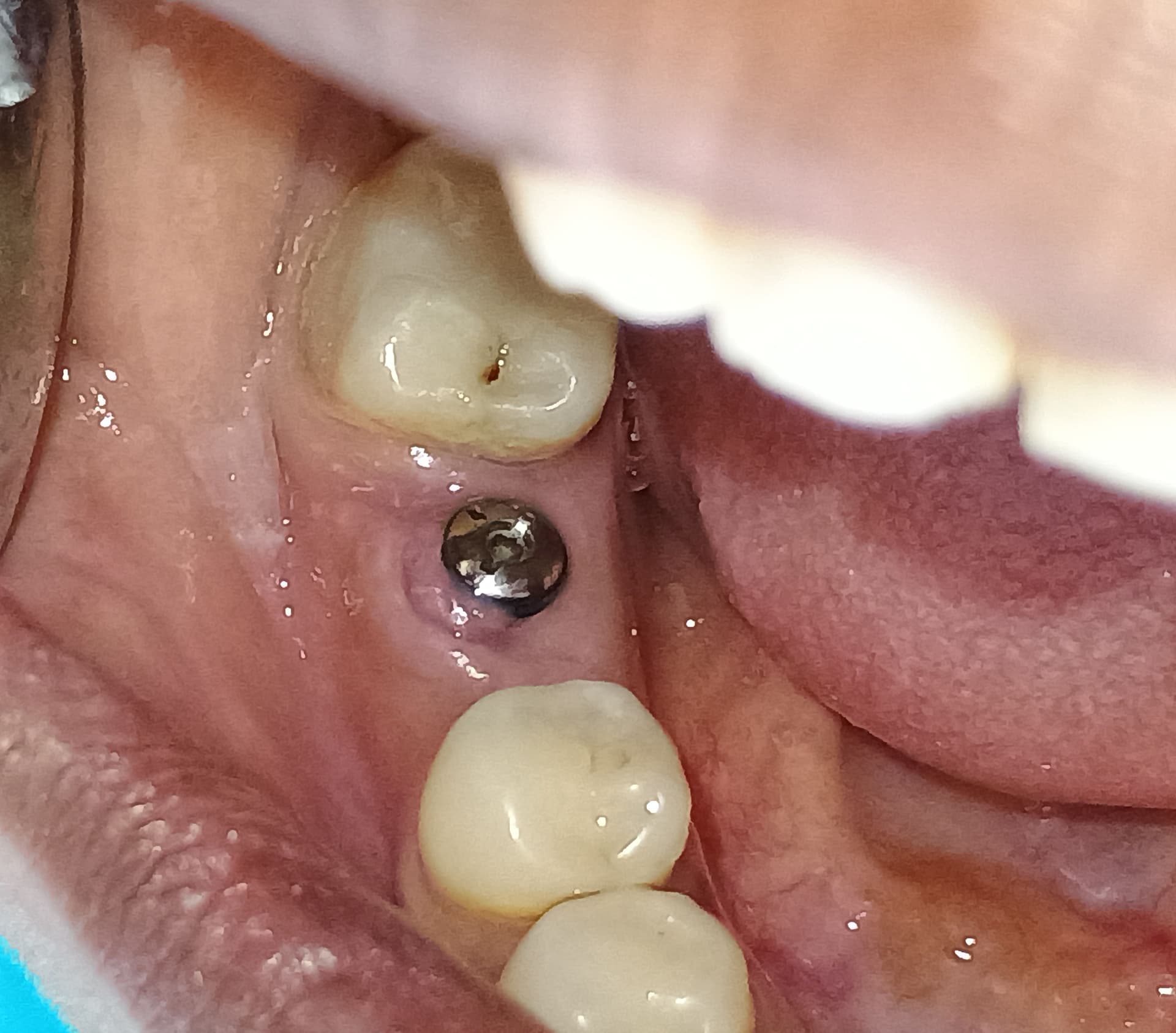
I placed 2 implants in an edentulous atrophic mandible for overdentures. Implants were uncovered, and Locators placed. Problem is there is no attached keratinized tissue around one of the implants. The non-keratinized loose tissue keeps on growing over the Locator attachments causing much discomfort to the patient. I have thought of doing a lip switch vestibuloplasty to increase vestibular height, lowering the soft tissue. But my concern is this is a painful procedure that may not solve the problem. Another option is a keratinized graft. Has anyone had this problem and what are the recommendations?
12 Comments on No Attached Keratinized Tissue Around Implants: Recommendations?
New comments are currently closed for this post.
King of Implants
5/27/2008
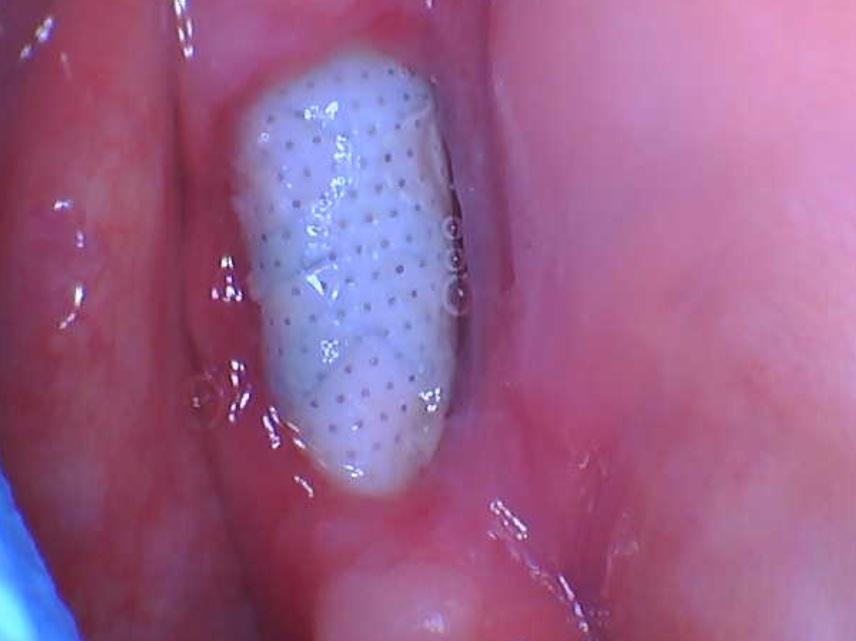
I have had this problem. I resolved it by using a keratinized free gingival graft and vestibuloplasty. I have also used alloderm, where you won't get keratinized tissue but you will get dense "fibrotic" tissue around the implant. During my residency I saw this issue you speak of so often, that I always treatment planned a FGG. Now I have been using alloderm, at placement, and it has been working out really well for these edentulous patients.
Alejandro Berg
5/27/2008
I do agree, I also use alloderm for such cases and that is usually the final solution.
cheers
alex
Robert Lemke
5/27/2008
I have performed "lip-switch" procedures many times on situations like this. You will get non-mobile / non-keratinized tissue. This is generally satisfactory for patients and their hygiene. The Alloderm and palatal grafts work as well, but are more work/cost for a patient and generally not necessary.
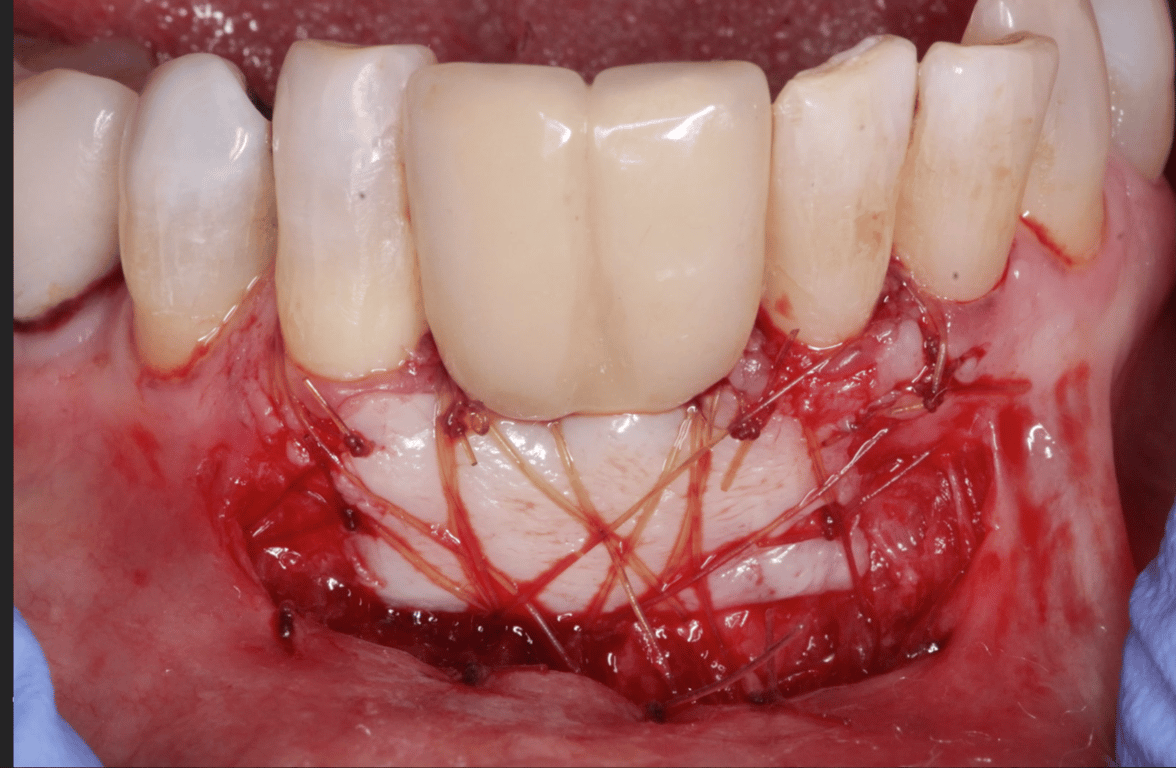
The procedure is similar to the traditional lipswitch. A rhomboid incision through mucosa. Removal of mobile tissue above the periosteum. Suture the mucosa inferiorly into the depth to the periosteal lining. Usually its best to pass two or three sutures then tie them all at once.
Dr. Ben Eby
5/27/2008
Dr. Lemke has discribed a very good procedure. It is a little painful for the patient, but, in my experience, it has a more consistent positive result than the Alloderm and/or palatal grafts, for this particular problem. Alloderm grafts can work well for periodontal plastic surgery. This procedure does not appear to be more painful than other surgical procedures to correct the problem.
Be sure and suture well and, if possible, hold the mobile mucosa a least a centimeter away from where you want non-mobile dense tissue, with a removable appliance. Healing takes place in about 10 days to 2 weeks and can be well worth the trauma.
This is a split thicknes removal of the mobil mucosa and apical repositioning. The majority of healing is with secondary intention of dense tissue over the periosteal layer that is left attached to the bone.
William Chong
5/27/2008
Suggest the following possibilities. If there is keratinised tissue and bulk adjacent to defect, do a split thickness flap and swing tissue in from adjacent site. I prefer mobilising the underlying layer to around the implant and leave to heal by secondary intention. The outer flap is then carefully repositioned to avoid tension. Important to use fine sutures, i.e 6O to accomplish this. Second choice, mobilise the outer layer and suture over if possible. The disadvantage is distortion to vestibule. My third choice is a free palatal graft if no adjacent keratinised tissue.
Don Callan
5/28/2008
keratinized tissue about implants are needed for the circular fibers. The circular fibers are only found in the keratinized tissue . The late Bob James showed these fibers are common to both teeth and dental implants and are needed to aid in the hemidesomes attachment to implants and teeth. To obtain the keratinized tissue is up to the treating clinician--do what works best for you.
Alan Edel
5/28/2008
I would recommend using as the graft material, sub-epithelial connective tissue from the palate or from any other convenient intra-oral keratinised site e.g tuberosity, to achieve predictable keratinised epithelium, and less palatal discomfort during healing than a FGG.
King of Implants
5/28/2008
I have performed the technique described by Dr. Lemke and have found it to be very painful for the patients. The cost of alloderm does not increasse the cost of the procedure by that much, and like I mentioned earlier you can use the alloderm at the time of placement of the implants.
Alan Winter, DDS
5/28/2008
One way to limit this problem is to make the inicisal incision to the palatal or lingual when creating the flap for the osteotomy, even when the implant is to be placed mid-crestal. After the implant is inserted, apically position to the flap and make no attempt to cover it if it is a 2-stage procedure. Flapless surgery negates the option often enables the clinican to increase the amount of keratinized tissue on the labial by this flap design. Two-stage procedures give the clinician an opportunity to perform the same procedure during the uncovering, so most secondary soft tissue grafts are unnecessary.
mike
5/29/2008
IF the tissue wasn't there before surgery then plan for it on uncovering or if its a one stage technique do it the same day with
Alloderm/Prp. Sometimes we use tacks to stabilize the graft. we will place the tacks at the inferior border to stabilize the graft The muscle really likes to push the graft out of the way sometimes no matter how good you suture it down to the periosteum. Once the graft is stable simply remove the tacks. Vascualrized tissue transfer is a very good way if you have the tissue for it. I know some people don't believe in PRP but I find the healing and graft take is day and night when using it. I will not do one without it anymore as my success rate and graft take has been excellent since starting to use the PRP. We have even noticed patients have less pain and recover much quicker using the PRP.
Dr. Smith
1/12/2010
I have recently begun using derma matrix acellular dermis, it handles much better than alloderm. It also seems to regenerate more non-mobile mucosa than alloderm, I use it for root coverage and for grafting around implants.
I get the dermis from Synthes, www.synthesdento.com
Dr.Guliyev
5/20/2011
My question to "mike" : please say me, do You use PRP above alloderm or use PRP only on denuded bone?
Second question: How do You think, is it rational to use resobable bone tacks for securing Alloderm and left them forever?