Premier Implant Cement: Source of Chronic Inflammation?
Dr. K. asks:
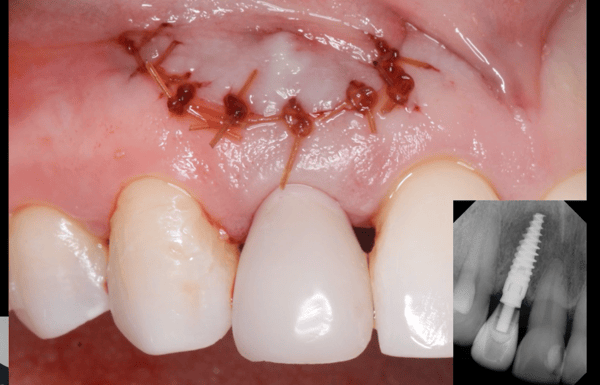
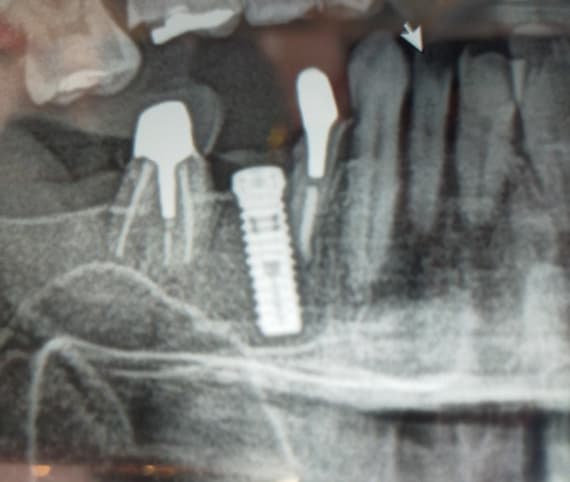
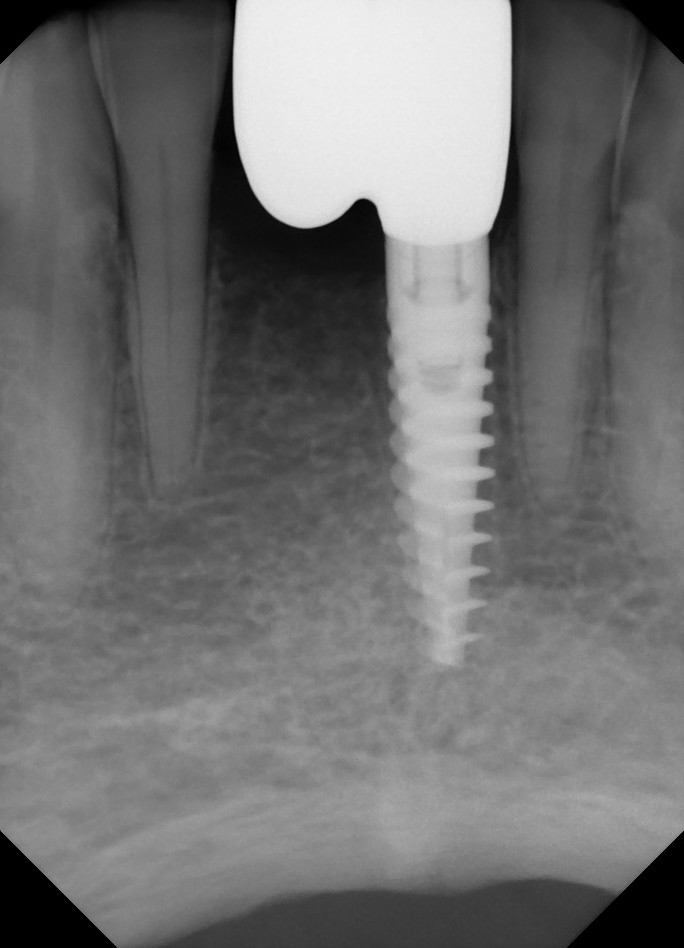
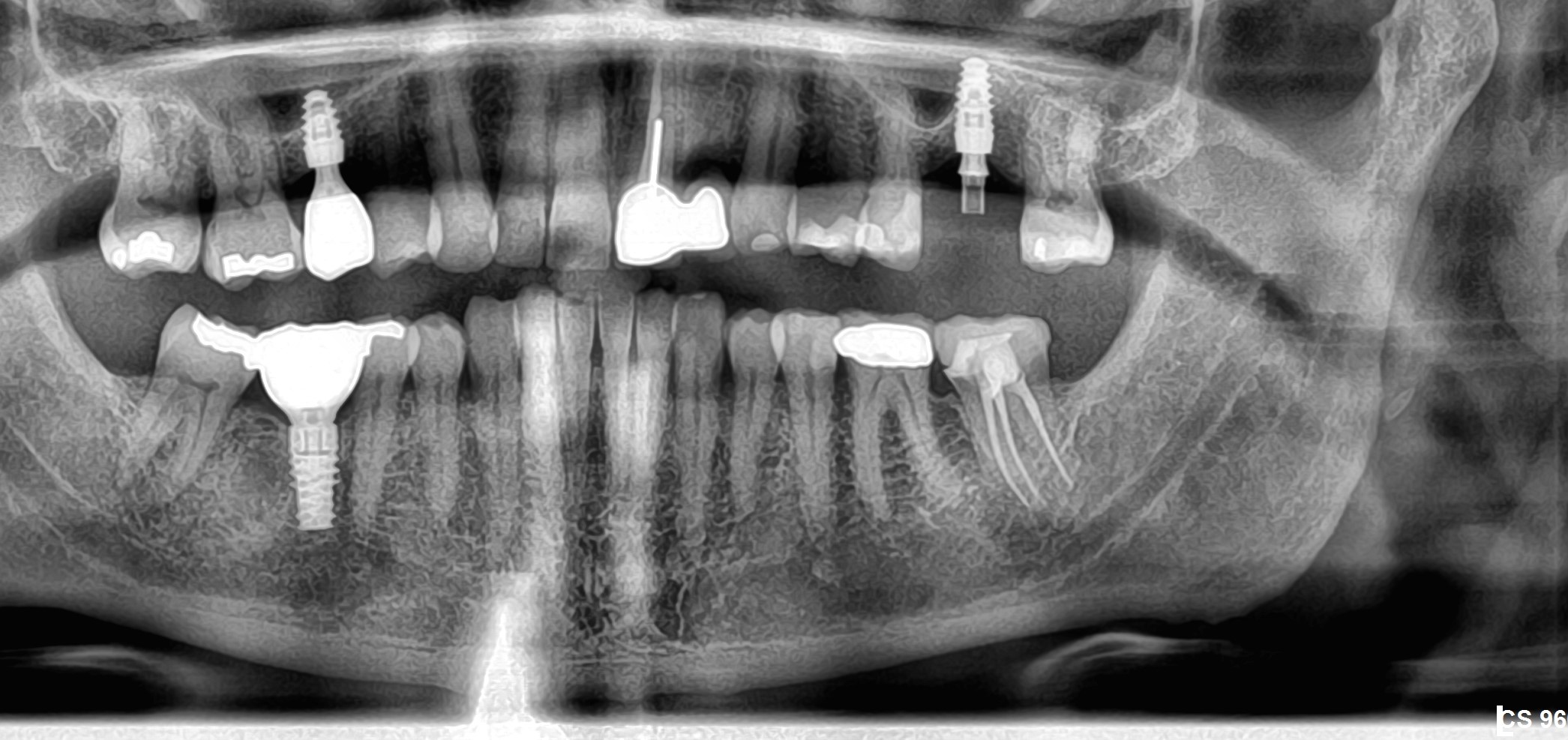
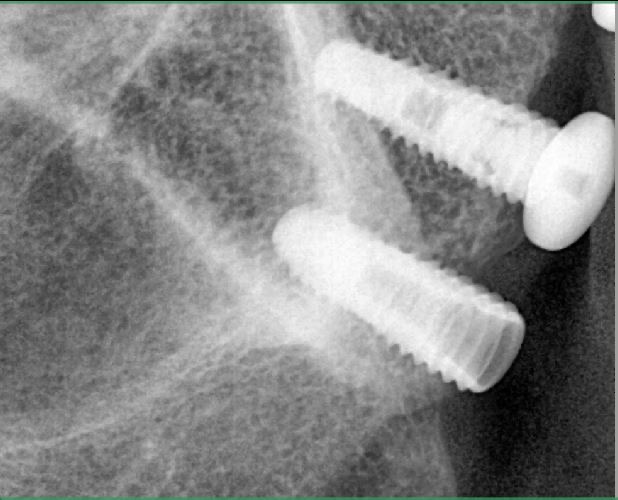
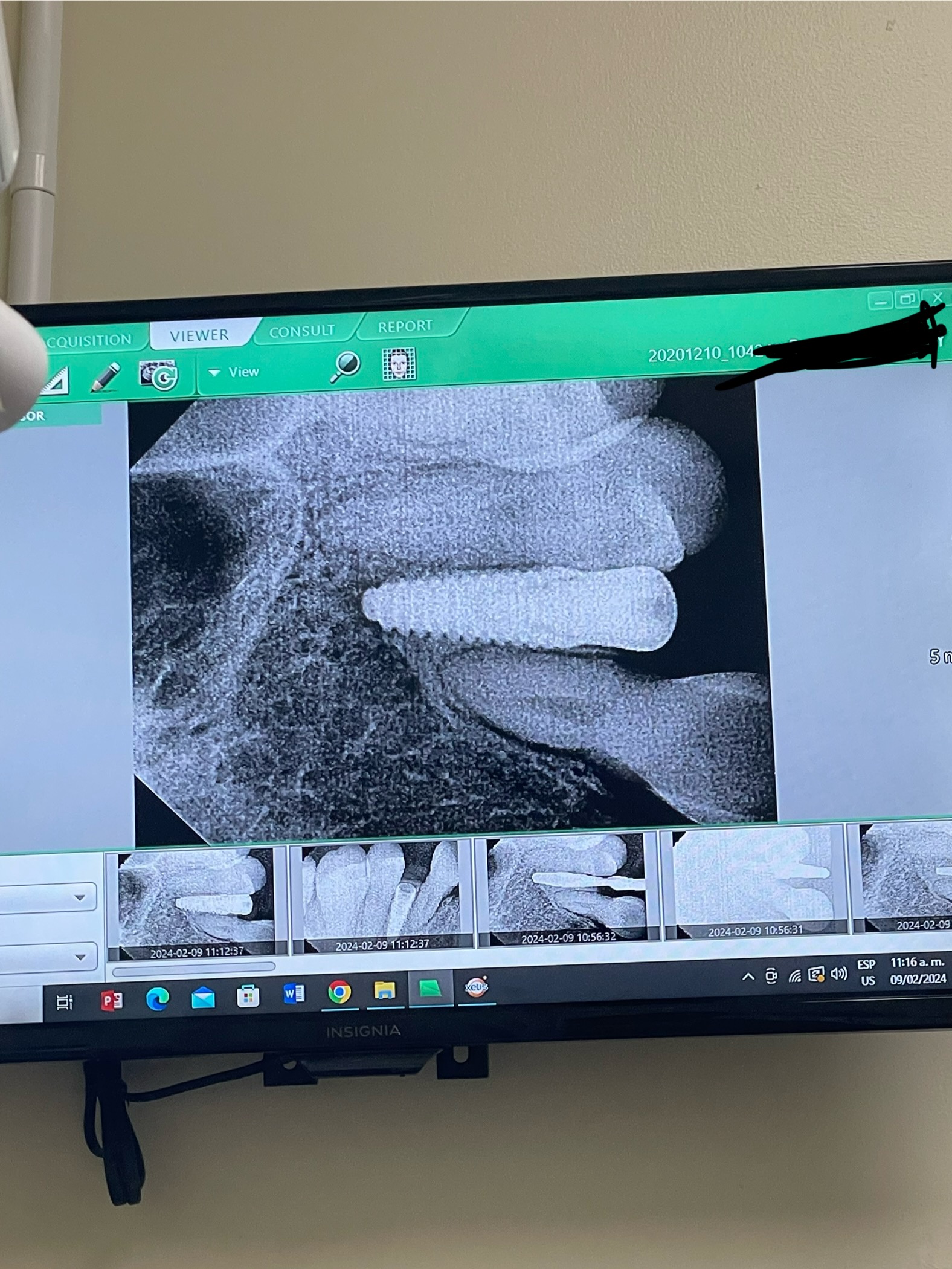
Have any of you experienced exudate, chronic inflammation, or bone loss with dental implants where the crowns were cemented with Premier Implant Cement? I have experienced this several times and have reflapped several implant sites and found thin, strong glassy type cement shards extending along the abutment toward the implant junction. I scaled off the shards from the implants. This went undetected at the cementation stage and has me very concerned about this kind of excess cement flash as a source of chronic inflammation leading to bone loss and implant failure. How do you prevent this problem?
9 Comments on Premier Implant Cement: Source of Chronic Inflammation?
New comments are currently closed for this post.
JW
4/22/2008
Because of the intimate fit of implant crowns and their abutments, there may be a tendency to overfill the crown with cement. When it squirts out, it may be difficult to adequately scale the margin. Many restorative dentists are afraid to disrupt the peri-implant seal. This problem is not product specific! One option you may consider is to seat the crown on a replica after placing the cement to get the excess removed outside the mouth, then seat in the mouth. another option is to place a vent hole so cement flows occlusally, instead of apically (of course you now have a hole). We did not have this problem with screw retained crowns. A good rule of thum is that if the fixture is deep, use a screw retained restoration to prevent excess subgingival cement, or use a custom abutment to raise the cement level to a cleansible level.
Dr. Michael Weinberg
4/22/2008
Dear Dr. K.
I use Premier implant cement all the time and I do not have aproblem. It all comes downs to the position of the abutment margin relative to the gingival margin. I use custom abutments 98% of the time and the margins across the labial are .5-1.0 mm subgingival. On the lingual the margin is at gingival crest. The cement has no place to go but up and out. If you are using stock abutments with deep margins then the cement will go down and stay down until it is removed. The docs I work with have the problems you mention when they try to save money and don't use a custom abutment or the lab says they don't need it. Good Luck
Dan Sullivan, DDS
4/22/2008
The problems Dr. K describes can happen with any cement ... I've seen it with ZnPO4, Fuji & TempBond ... it's not the specific cement that's the problem ... it's the excess, unremoved cement!
I basically agree with Dr. Weinberg's observations. Implant-level impressions & careful control of margin placement, as he specified, are critical. I would add: margins at or supra-gingival are always preferable, when esthetics do not demand sub-g ... same as with regular crown & bridge. (Sub-g margins should be your last-resort, least-preferred placement ... ALWAYS!)
Sometimes custom abutments are necessary, but in many cases, you can prepare (or have your lab prepare, if they're good!) a stock abutment to achieve the desired margin placement. (I wish the manufacturers made a wider variety of tissue heights available!)
In any case remember: if you can't see the margins, you can't remove all the cement. If they're buried, you better make it screw-retained.
Dutchy
4/26/2008
When I use cement I only put in a little bit of cement in de top of the crown and then put the crown on the abtutment. If I have a void it isn't of that importance like whit a crown on a natural element where the tooth will become in this case prone to caries. If I see irritation of the gingiva-> redness of the gum at the appointment it is easy to remvove the crown and do it again. In my opinion the inflammation due to percolation is of less importance and easier to deal with then inflammation because of a foreign body in the tissue with more destruction and more difficult to manage
Dutchy
4/26/2008
sorry for my English
jordi
4/23/2009
YES; the poliuretano cement do periimplantitis if stay in biological junction, its better use another cement or put only a thin cape whith brush
JORDI
5/5/2009
TO PREVENT THIS PROBLEM , PUT A LITTEL OF CEMENT WHIT BRUSH INTO THE CROWN OR USE CEMENT BIOCOMPATIBLE LIKE INOMERO DE VIDRIO OR POLICARBONATO OR OXIFOSFATO DE ZINC. i HAD PROBLEMS TOO WHITH DENTOTEMP THAT IS LIKE PREMIER CEMENT (POLIURETANO)
mel
8/29/2009
Dear sir/madam,
I have implants posts in my lower jaw, and soon it will be loaded with abutments and soon the crown work will follow, after reading these comments , do you recommend me to tell my restorative dentist anything about the way the glue needs to be applied? any suggestion? Thks so much .. I am alittle bit too nervous!!
R. Rogge, DDS
9/15/2009
I have not found any literature about a radiopaque implant cement. Having removed a fair amount of this Premier cement from implants that have lost bone post-cementation, I am not aware of an implant crown cement that can be seen on a radiograph. It would not show every single bit of excess cement, but it would certainly help. I have removed large, free-floating slivers of cement that definitely would have been visible on a radiograph, if it HAD been radiopaque.