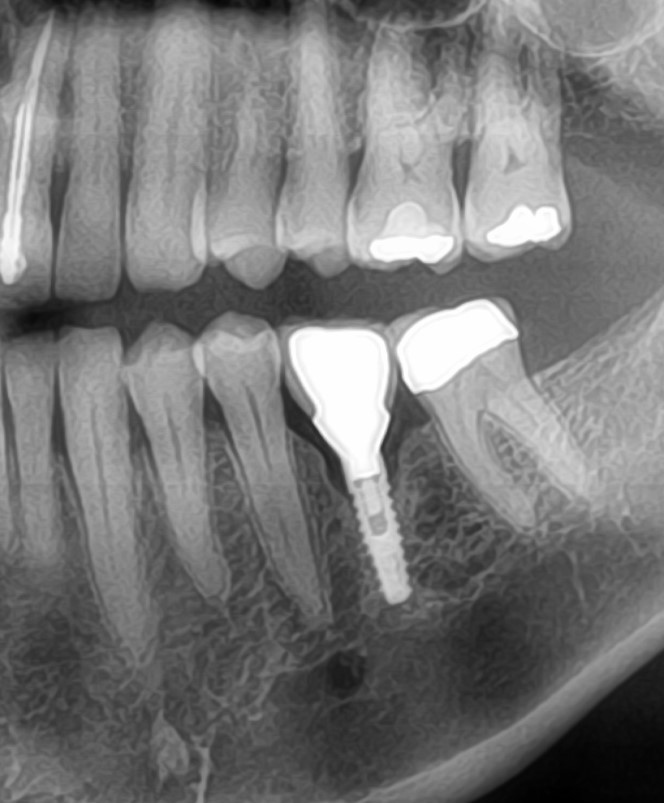
Screw Fractured on Nobel Replace Implant: Which Technique Should I Use to Retrive the Screw?
Dr. GS asks:
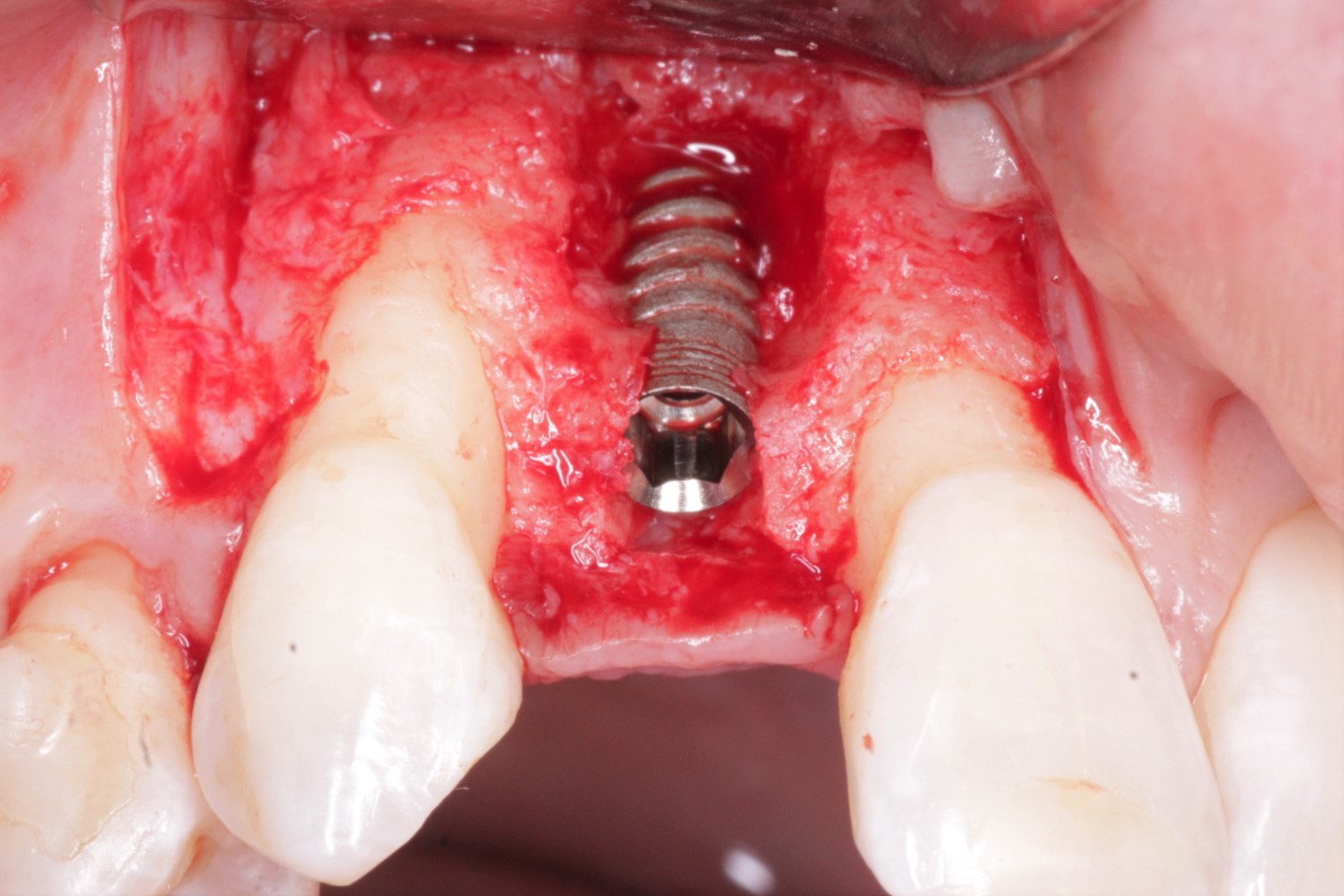
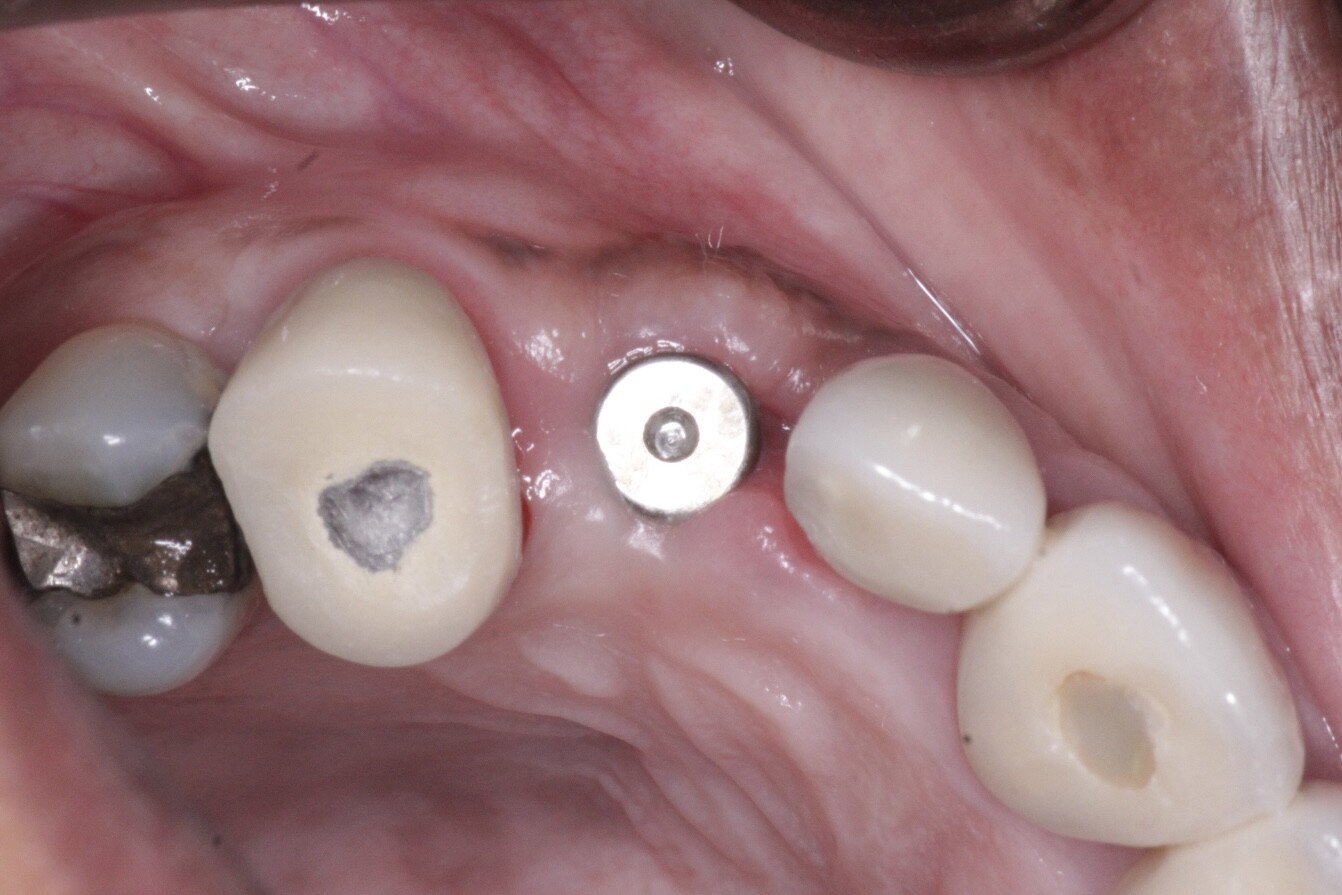
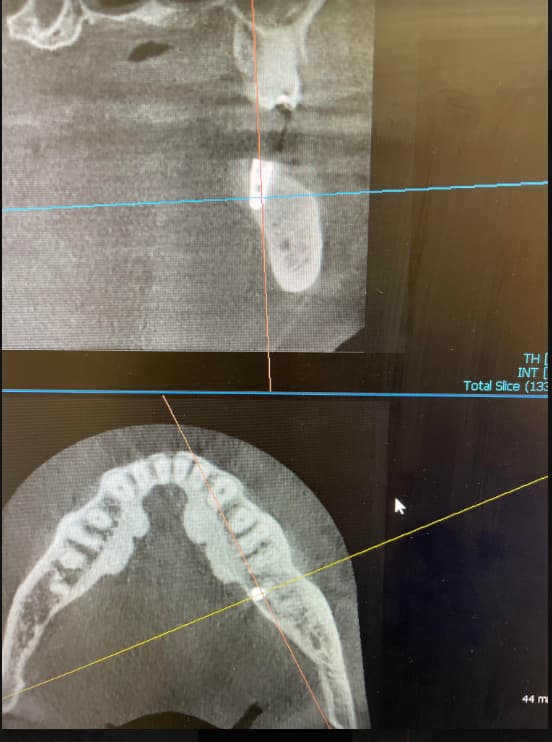
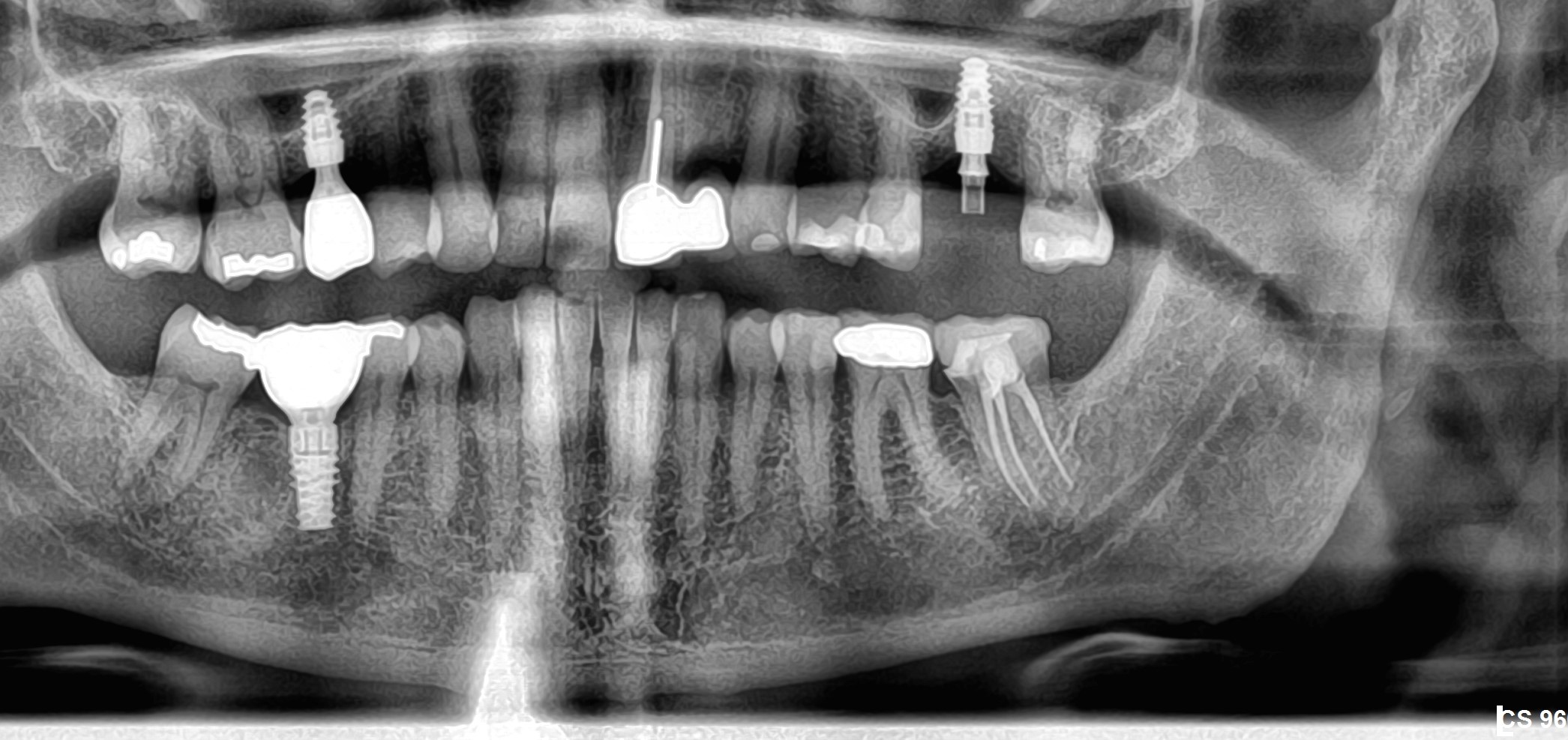
I placed a Nobel Biocare Replace Select implant and the screw fractured. I need to retrieve the most apical portion of the screw which is lodged firmly inside the implant fixture. Visibility is very difficult. What technique do you recommend to retrieve the screw fragment? Also, why did this happen? How can I prevent this from happening again? I have never had this happen before? I cannot figure out what I did wrong?
18 Comments on Screw Fractured on Nobel Replace Implant: Which Technique Should I Use to Retrive the Screw?
New comments are currently closed for this post.
Barry B Hoffman, Prosthod
6/7/2010
The Nobel Replace abutment/implant relationship is a "platform" system. The internal vertical index portion has side wall clearance to allow easy insertion. The fractured screw has several potential sources of cause. First, it could have been a defect in the screw itself. Secondly, the screw may have been over torqued on insertion. Then, off-angle functional forces could cause enough stress to the screw as the verticlal insert rocks side to side in function.Lastly, the abutment may not have been fully seated when the torque was applied to the screw resulting in increased stress. Whatever the cause, I would insert a very sharp endo explorer toward the periphery of the screw and statr trying to unscrew the apical threads in a counter-clockwise motion, never letting the point leave the screw head. Sometimes an ultrasonic scaler applied to the endo explorer aids in getting things started to turn and back the screw out.
Lastly, in the future, use Ankylos and you'll never have screw problems again. As a Prosthodontist, I live by the maxim, "Screws will screw you". The Morse Taper of the ankylos renders the screw useless for retention or anti-rotational purposes after insertion. The screws job is over 3-5 seconds after tightening. All other screw abutment/implant systems have too shallow an angle to their Morse tapers and still rely on the screw to do too much work.
sb oms
6/7/2010
I'm no prosthodontist, but i have placed thousands of Replace connection implants and have not heard of any screws breaking. The implant has issues, but this does not appear to be one of them.
Is it possible that you had an incorrect screw- remember - sometimes the lab gives you the wrong screw, they should always be checked in the analog.
Nobel makes a screw retrieval system. I have used it once on an old branemark case. it was quite simple, however, you risk damaging the interior threads of the fixture and having to re-tap it which could be a nightmare.
check out the screw retrieval system they offer. its an latch burr with saw like teeth on the end. when you run it, the teeth bite into the screw and loosen it (hopefully).
proceed with caution.
explain to your patient that this may be a big deal,
and if your uncomfortable- refer. better that someone else try and fail, or try and damage the implant. at least you will still have done the right thing by sending them to an "expert".
dr. hoffman-
never is a strong word.
dr. gerald rudick
6/8/2010
Dear GS,
You have two good possible solutions to your problem as stated above.
Normally, a broken screw is easy to retrieve just by massaging it counter clockwise with an endo explorer, because the screw stump is not under any pressure...it is just sitting in the mated threads.
However, since it was suggested that the fractured screw having been returned from the lab, may not be the mated screw...then it could be a problem.
The Nobel Screw Retrieval system as mentioned could work.......
In the earlier days of implant dentistry, when off angled screwable abutments did not exist.....plastic castable abutments were available for the internal hex implants made at that time by Corevent.
Dr.Gerry Niznick of Implants Direct could possibly direct you where a plastic castable blank could be gotten. The cast post is then cemented into the implant with a resin cement...... and then that implant can have a cementable crown.
Good luck
Gerald Rudick dds MOntreal
Peter Fairbairn
6/8/2010
Strange that Ankylos make a screw retrieval system if they never break , things happen
Narpat Jain
6/8/2010
I have had numerous Nobel Screws break... they have usually been due to lateral forces on the prosthesis. The technique that has worked consistently to retrieve the screw is using a piezo with a fine endo tip on a low setting.
Good luck.
Don Cohen
6/8/2010
Dear GS:
I (an Oral Surgeon) recently had to remove a broken screw in a Replace Select placed in the maxillary lateral site. The restorative dentist sent the pateint to me, as I had placed the implant. I used the Nobel Screw Removal Kit. There is a hand tool the instruments fit into and they also fit into s latch slow speed. I found that hand pressure with the end biting tool was sufficient. If this fails there is a tiny round bur that you can make a small indent in the top of the screw and use the square driver in the hand tool to engage and remove the screw. Instructions in the kit are very clear.
Good luck, DFC-OMS
JC
6/8/2010
I have used the Nobel screw removal tool as well .. going back to the Branemark days. Just a comment - using Off brand components on Nobel implants voids the warranty for replacement. If you use a alternate manufacturer for your abutments and screws the tolerances will not be to Nobel specs ... they oftern wobble and are not a true seat. Any manufacturers screws can break. If you destroy the implant backing the screw out ... the castable post works ... but may be better off to retrieve the implant (graft if needed) and replace the implant. You probably will eat the cost ... but Nobel will replace the implant and abutment and screw to your inventory as a failure. Using non-Nobel components ... your covering all aspects of the replacement!
Nazeeh
6/8/2010
there is a Kit from Nobel called Screw retrieval kit, order it it is so easy to retrieve
sb oms
6/9/2010
is that nazeeh from montefiore???
Howie Gluckman
6/9/2010
Another way you may try is a sharp point on your ultrasonic scaler on a low setting so as not to damage the screw structure. using this in the same way as you would an endo probe ofen and in my hands almost always removes the screw without much fuss and fairly quickly
good Luck
KKomatsu
6/9/2010
To save yourself time and aggrevation, I would recommend you refer the patient to an endodontist who uses a surgical microscope. I have unfortunately had to remove many screw from different implant designs. Magnfication and illumination are needed to remove screws either with ultrasonics or drill out with minimal damage to the threads. Endodontist can do more than screw roots.
Barry B Hoffman, DDS Pros
6/10/2010
Dear sb oms,
"Never" is a strong word and I used it correctly in my comment. Why? Because the Ankylos taper is 5.7*. Tapers less than 5.8* have removal forces greater than insertion forces (Bozkaya et. al. Aug 2004, Vol 126 J Biomechanical Engineering). With a surface contact length of 2.35 mm, the screw of the Ankylos abutment loses all function after torquing to 15 Ncm. The Morse Taper provides all retention and anti-rotational functions. Therefore, the use of the word "never" is totally appropriate.
In the Replace abutment/fixture relationship, the screw does most of the work. As the shaft of the abutment rocks laterally under off-axis functional loads over many thousands of cycles, the retaining screw stretches and bends. Eventually the plastic deformation of the screw becomes permanent and the abutment can loosen. Sometimes the screw breaks.....
Don Callan
6/16/2010
Always check your bite. I have seen many fractured screws when using the Nobel implants. This is a real problem with this implant.
Dr. Danesh from Iran
6/20/2010
I have placed more than 300 nobel replace & never had such a problem , I think the best way to avoid non sitting abutments , as one of the most important reason of screw fx. is, to have an x-ray prior to complete tightening of the abutment screw , to prevent this happenning again .
Implantologist
7/2/2010
Dr. Hoffman,
A fellow Prosthodontist just detailed for me a patient he saw, and referred, recently. This was an Ankylos implant with a broken screw. So you're right, never is a strong word. I do however, believe that long conus connections have distinct mechanical benefits when it comes to deflecting forces. This example does disprove your theory that the Ankylos screw doesn't bear "any" load.
Dr Dimitrov
9/10/2010
Use of original screw-retrieval kit is the best option to go for. It`s not true that Ankylos screws don`t fracture. They do, or if they don`t and if the whole implant might get stuck in the bone during insertion (particularly in the mandible), the cross cuts of the platform might get flat when you try unscrewing it, so this implant does have a learning curve, but this is off topic. I`ve retrieved several (three) broken screws, two of which from a Replace. On two of them managed to keep the inner threads, the third failed. After removal of the broken screw the inner threads were damaged, so I had to cement the new abutment and the screw, which held it with composite cemet and a lentulo. It was a mess, but the crown is OK for 4 years now. No loosening or resorption around the implant. As a matter of fact-stable periimplant bone level.
Good luck
samantha nigatsi
11/1/2010
dear doctors i am very happy that i read osseonews page and i have the luck to read all these different things that your experience and knowledge prooved to be the best way to go.i am jelous of all of you and your experience and i hope i will improve my self to your scientific level.please dont get ironic to others.
Greeshma
10/6/2016
Hai, i am doing my internship in dentistry, i getting my father implant done in our college but at final torque stage the abutment screw got broken , its a equinox myriad , is there any chance to retrieve the screw because our doctors in my college are not giving any assurance about it ,so please help me in finding proper solution for this