Sinus Tract with Purulent Discharge : How Proceed?
Dr. K. asks:
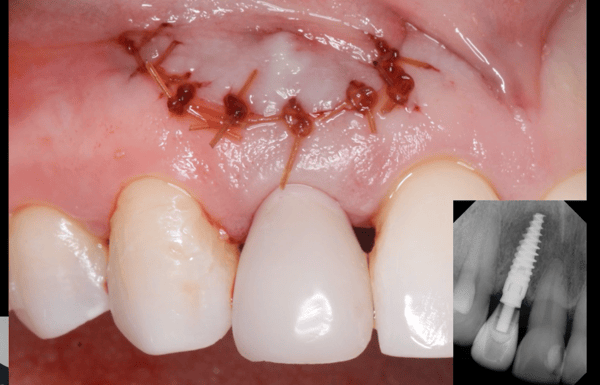
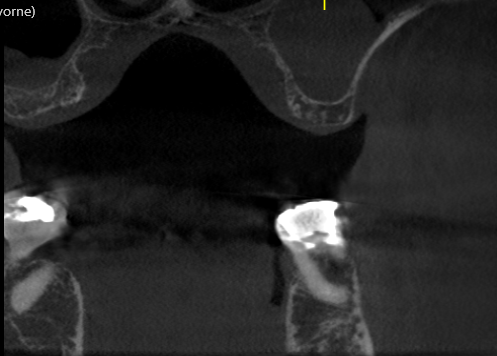
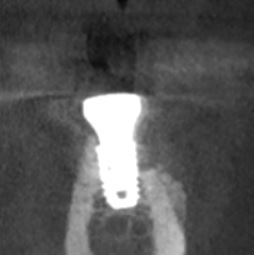
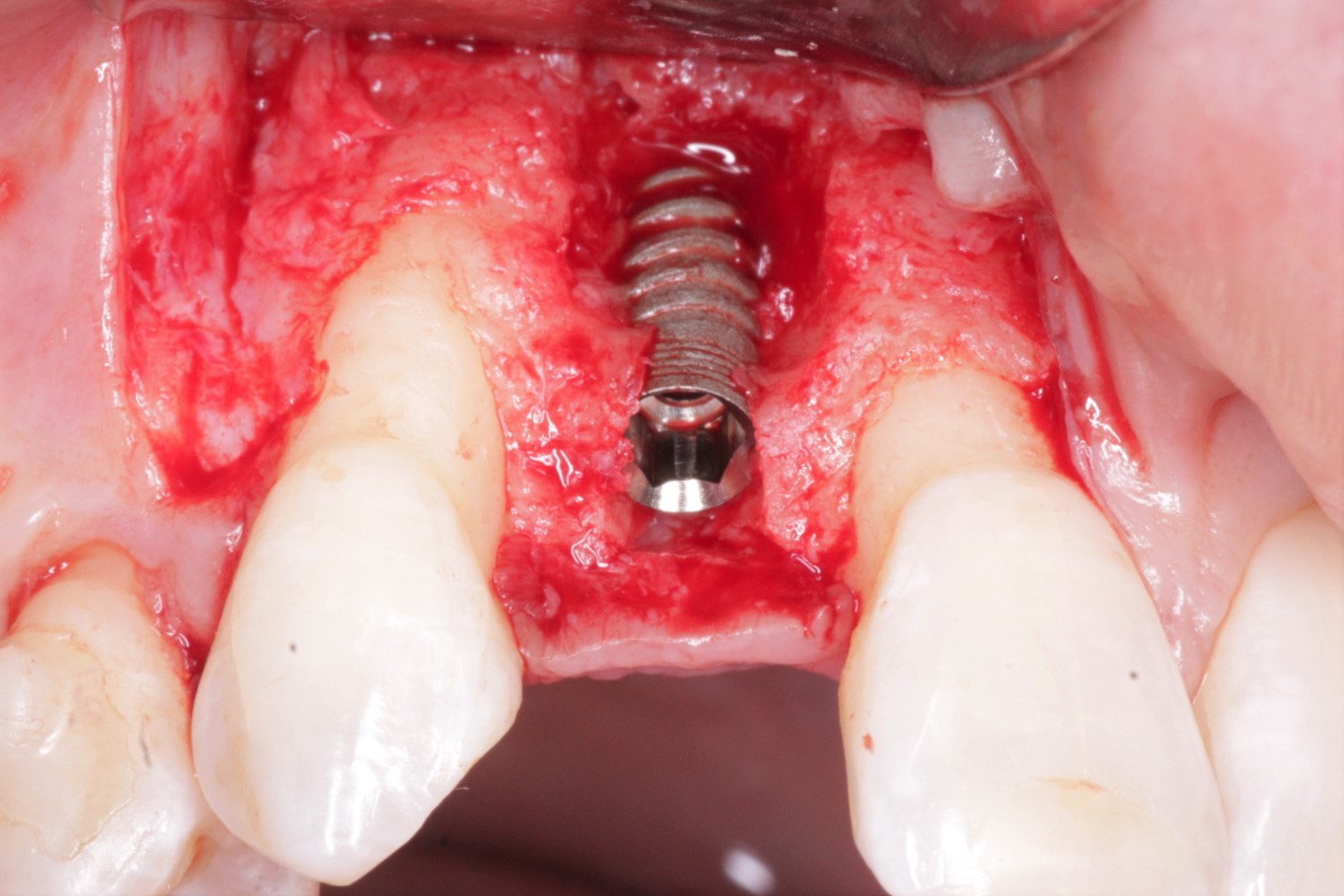
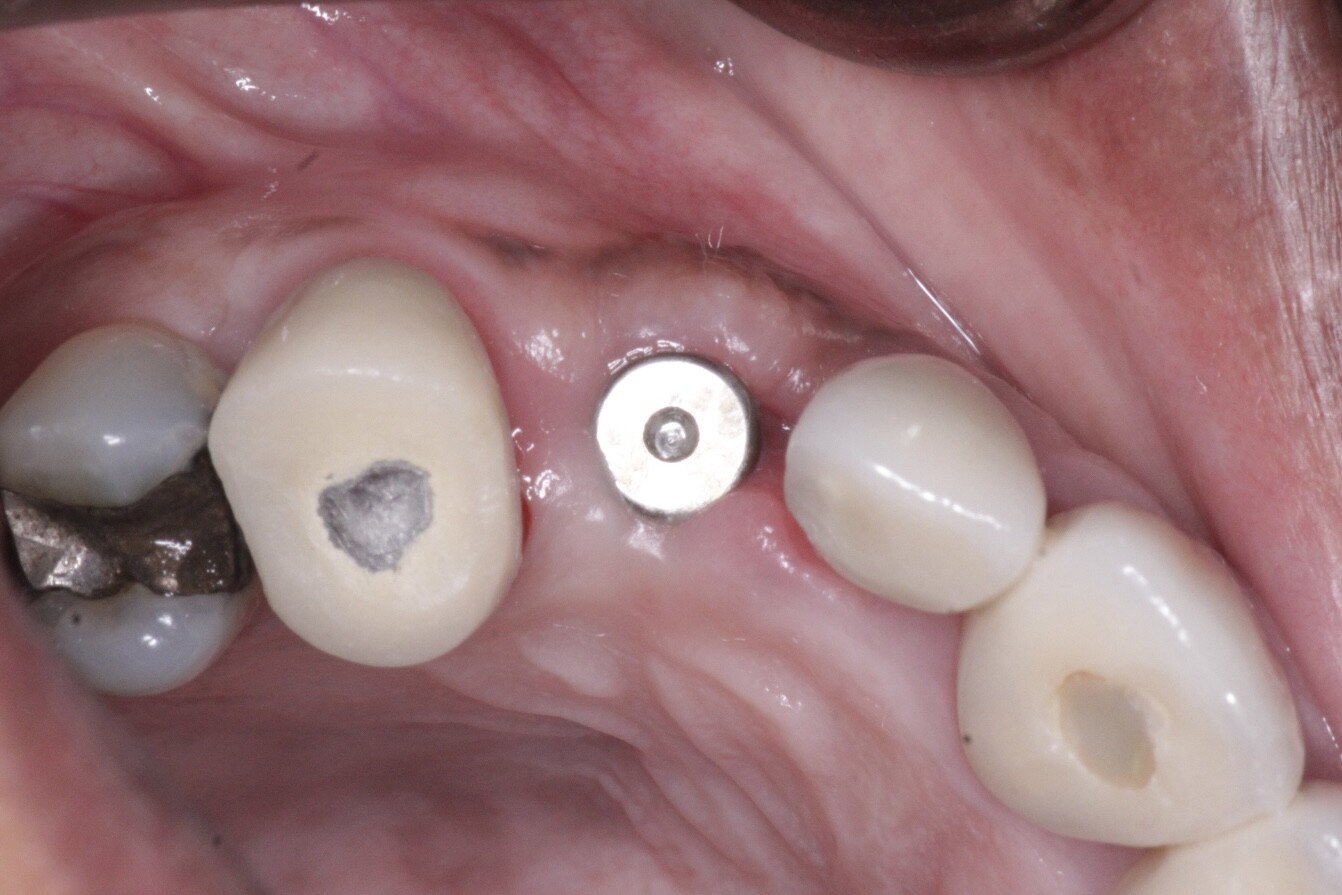
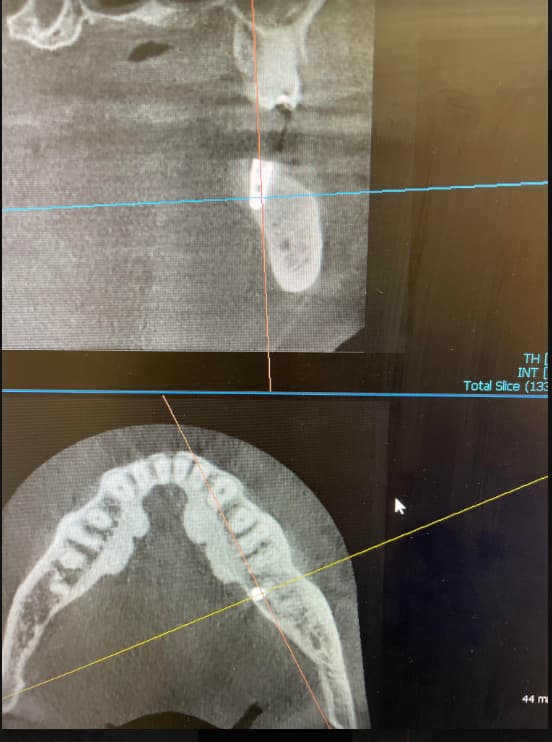
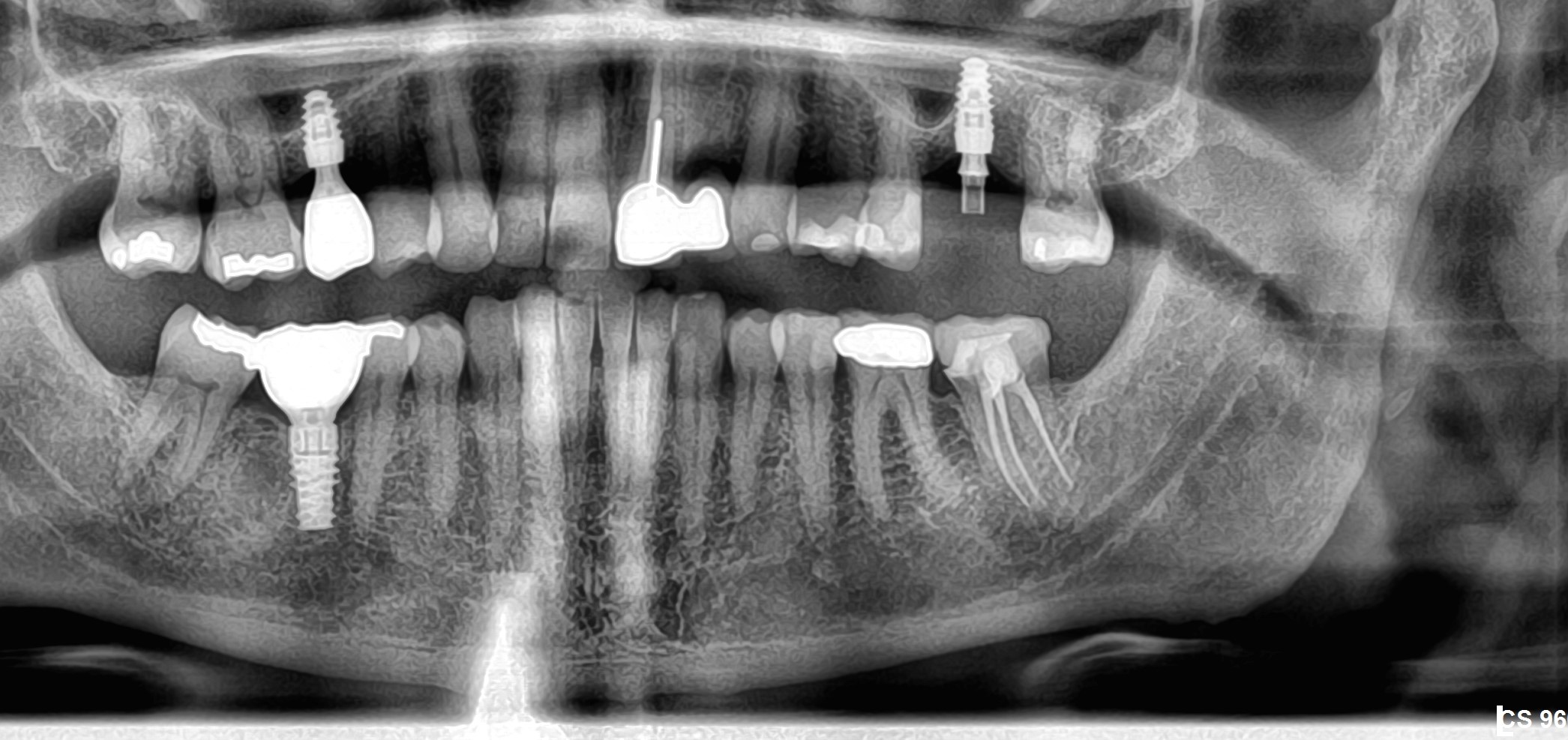
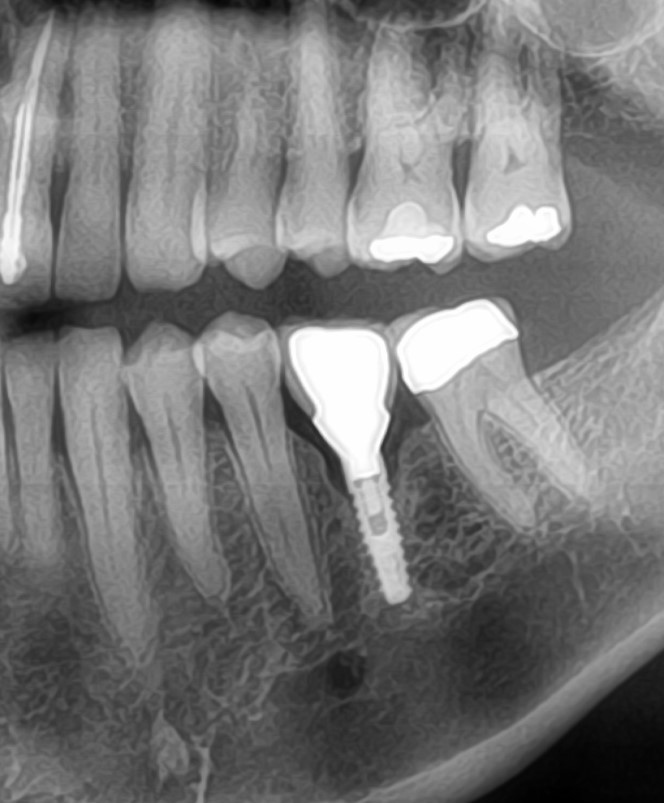
I just placed 5 dental implants in the lower jaw. The patient was a little swollen over the following week. The swelling went down and she has now developed a sinus tract with purulent discharge associated with one of the implants. The radiograph shows nothing worthy of note. I have prescribed metronidazole and will review in 5 days. Any suggestions on how best to proceed? The implant with the sinus tract was placed into an extraction socket with no previous history of infection.
14 Comments on Sinus Tract with Purulent Discharge : How Proceed?
New comments are currently closed for this post.
SFOMS
12/18/2007
Dr. K,
I would check the stability of the implant that is associated with the parulis. Mobility of the implant will dictate the next step. If there is good stability, I would treat with a broad spectrum antibiotic rather than just an anaerobic spectrum antibiotic, something like Pen VK, Amoxicillin, or even Augmentin. If allergic to PCN, may consider Clindamycin. You may decide to keep her on Flagyl or discontinue based on her tolerance. I would try at least a 10 day course. Afterwards, if the parulis comes back, it is highly unlikely that the infection will clear with simple antibiotics. Maybe a debridement procedure would be the next step, as long as the fixture is stable.
If the fixture is unstable, I would remove it and pack the area with an allograft bone material and plan for placement of another fixture or if feasible plan the prosthesis on 4 implants.
berto
12/18/2007
i would remove this implant immediatly, do debridement of the area , and graft the area with some alografh material keeping the antibiotic regime for more some days, wait three months and do the implant again. Good lock!!!
Berto.
MAZ
12/18/2007
Fistula after that short time? Implant's done...
prof.dr.dr.Hossam Barghas
12/19/2007
Dr.k
as you mentioned it was an extraction site, but you did,nt mention did you use any graft material around the implant e.g. Hydroxyappetite ?
so first we have to know the cause of infection.
if it is infected graft material then you have to remove the whole thing.followed with antio-biotic course ,re implant after 3 monthes.
if the infection is realted to implant only,was at this site any heat generation? which mean necrotic bone , in this case you have to remove the implant,do the same as above.
if not and zou want to save the implant. first we have to know to which part of the implant is the sinus is related. erdication of infection well need not only mean anti biotic but also you have to curet this sinus & irrigation with repetion of this procediure & follow up supposing that You have very good implant stability.
mobile implant well only heal by fibrous tissue
Dale
12/19/2007
Remove it immediately, then graft the socket. Return in 4 months and place a new implant. You will save yourself and your patient a lot of misery. It will always be a comprimised implant if it makes it at all. Do it now and your patient will understand. It is a biological issue. No one is at falt.
dr k
12/19/2007
thank you for your advice chaps. (& chappesses). In answer to some the questions. No biomaterial was used to augment any sites. as far as overheating goes - none was noted hence i proceeded with implantation. The patient was review today 3 weeks after implant placement. The sinus tract has resolved. there is no swelling or associated pain. slight erythema where the healing must be occuring. but i will be watchfuyl of the area and plan to review every successive week and re-xray in a week.
Manosteel
12/20/2007
No one gave any ideas as to why this could have happened, or why the implant went south. Any Ideas??
Nicholas Toscano DDS MS
12/20/2007
I was kind of amazed at the wide range of answers here. I was particularly taken back by those calling to remove the implant immediately without looking at some common things that cause these issues post op.
Swelling one week post surgery can be common.
A sinus tract that develops can be a number of things. It seems most answering this thread seemed to point to the implant being the issue. In my opinion, I would look at some of the common things that cause sinus tract/abscesses post surgery.
It could be just debris that got under the flap such as bone from the osteotomy site. It could be a reaction from the suture. Vicryl commonly causes this type of reaction.
I had a case 6 months ago where I placed an implant on #19 and 1 week post op there was a sinus tract on the lingual. I irrigated with normal saline, covered the patient with a course of penvk and it resolved uneventfully. The patient is now restored and implant was successful.
Before you start removing the implant, I would treat things conservatively and treat the common things first.
Hope that’s helpful
Dr. Kimsey
12/21/2007
I would have already taken out the implant to prevent further lose of bone. It is far easier to remove a new implant that is infected than to rebuild the site after a couple of months of bone loss.
gobjob
12/22/2007
thanks for you comments Nicholas. i couldnt agree with you more. in cases where there is early infection which does not resolv e swiftly i would agree that it should be removed asap. however, if it does resolve it should be monitored closely and any signs or symptoms in the near future should prompt its removal
GWK, DMD, MMSc
12/22/2007
I have had a similar case a few years ago: uneventful surgery into healed grafted alveolus, posterior mandible, soft tissue closure by primary intention, no radiographic signs of problems after a month. Pt developed swelling over the site with purulent drainage on incision. There was no probing depht and no radiographoc evidence of bone being lost. I elected to leave the implant healing screw exposed and watch on the theory that the bacterial growth originated from the potential space above the healing screw and the flap. The opening of the space to rinsing and drainage worked well; theimplant and the crown resoration have now been in service for a couple of years without problems. The radiographic bone level appears not to have changed since the immediate postop film.
peter Shieh
6/26/2008
The cover screw may be loose
warrun
1/20/2011
how can we manage periimplantitis?....thank you
LANAP Dentist
1/20/2011
I have had good results with LANAP and periimplantitis.