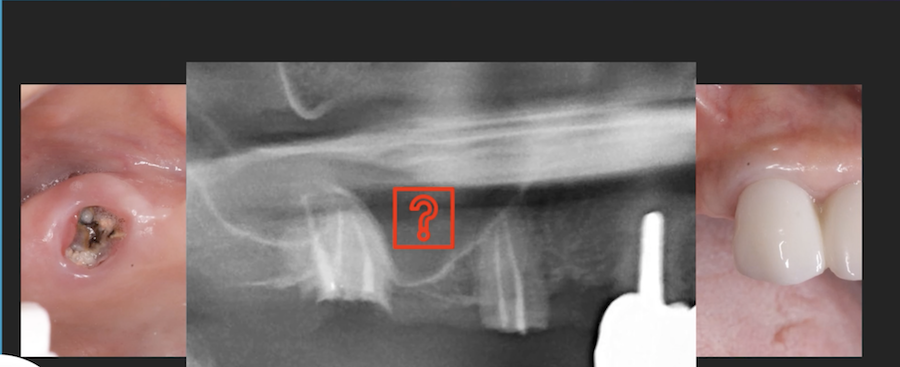
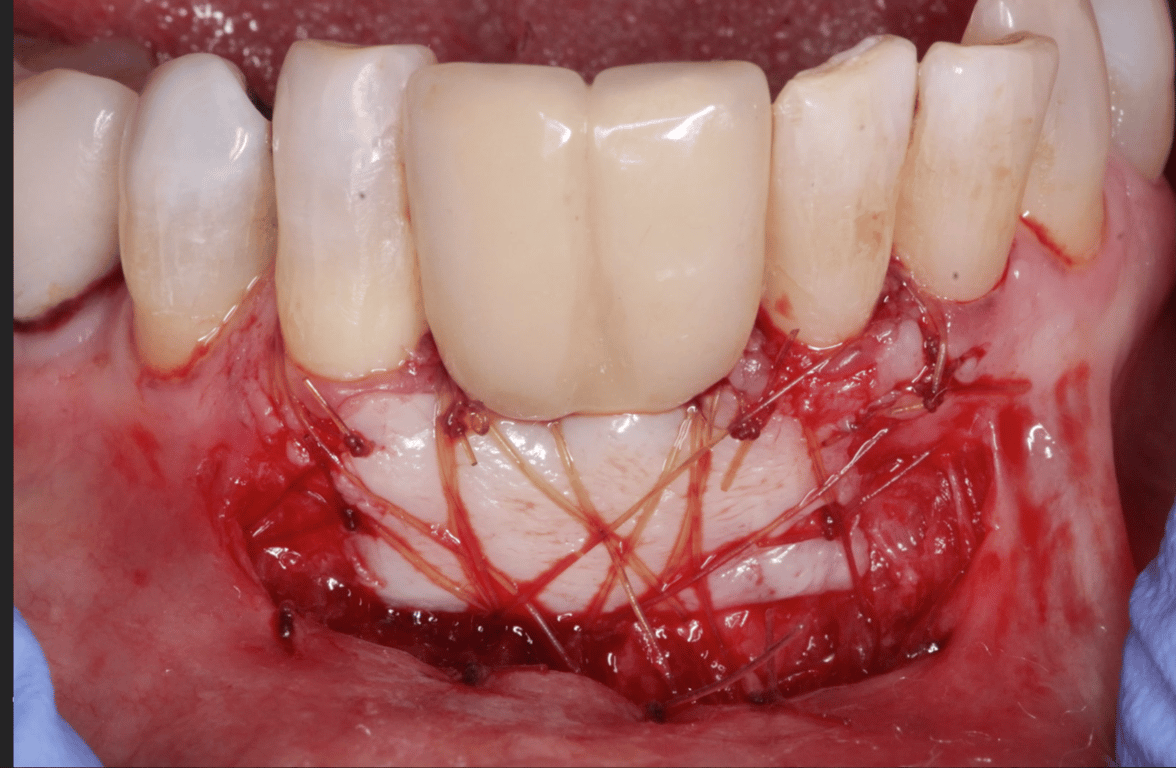
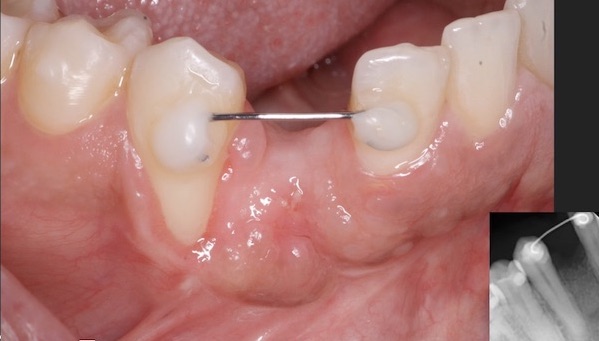
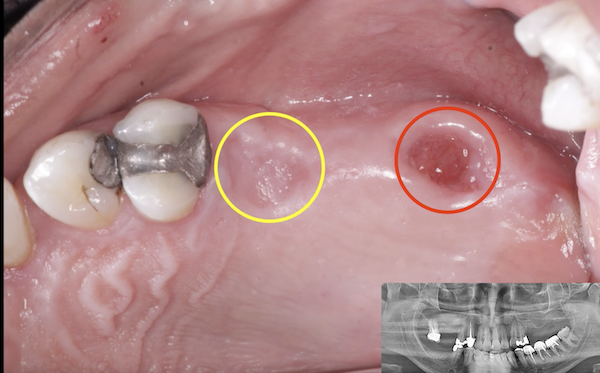
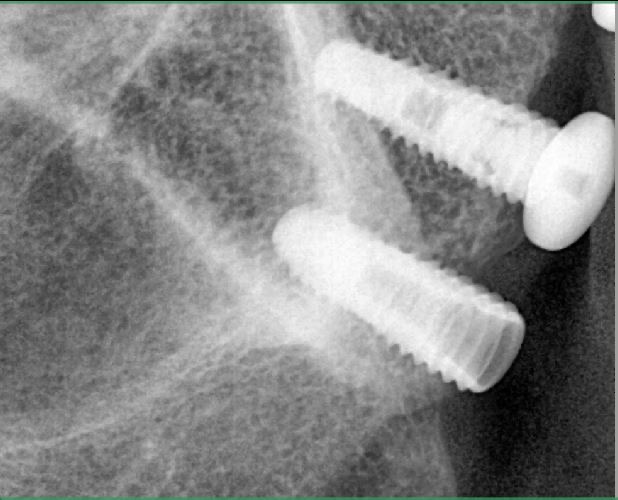
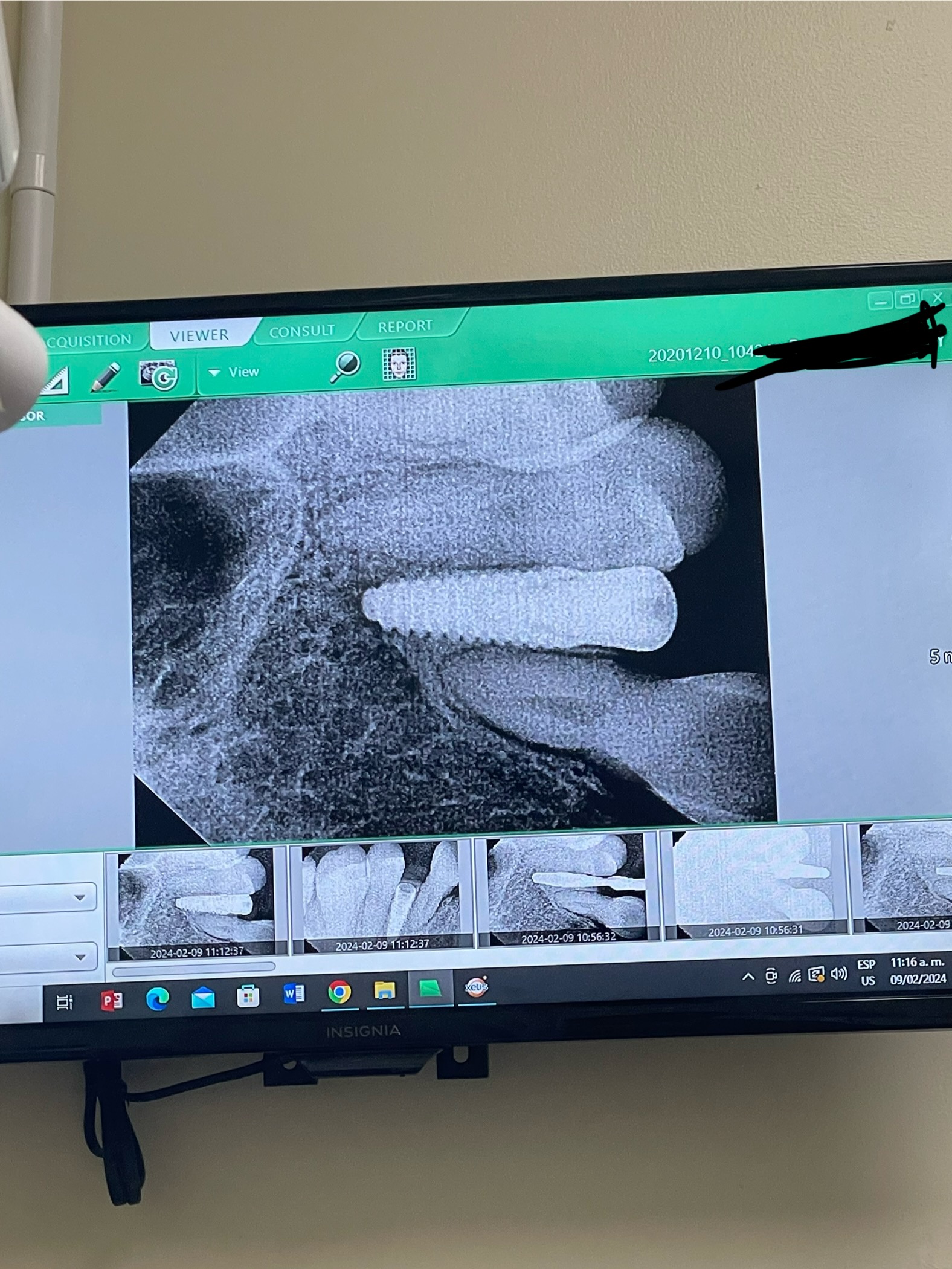
Swollen Gingiva: Normal One Week Following Flapless Implant Procedure?
Dr. F. asks:
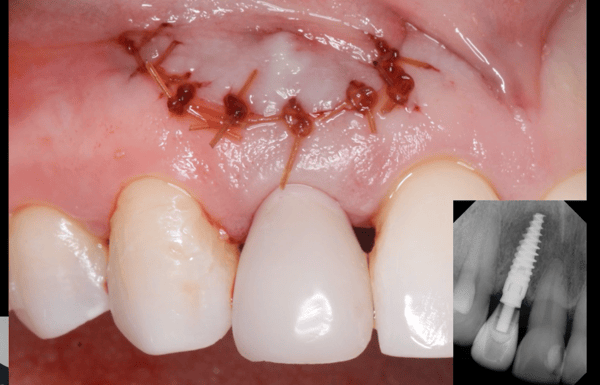
I placed a dental implant in #13 position [maxillary left second premolar site] last week and the patient returned today for a follow-up visit. The tissue still looked a little red around the implant site. I had done a flapless procedure using a surgical stent. The gingival looked a little puffy around the healing cap. I prescribed amoxicillin and Peridex rinse at the time of surgery. After one week, should the surrounding gingiva still be red and swollen?
12 Comments on Swollen Gingiva: Normal One Week Following Flapless Implant Procedure?
New comments are currently closed for this post.
mateit
1/26/2009
I'm familiar with this kind of procedure only from a theoretical pov, but still it's a bit uncommon to present such symptoms after 1 week. Is there any local pain associated with all these other symptoms? What about an Xray (periapical one)? Good luck and hope for the best!
Mr. T
1/27/2009
I wouldn't worry too much at only one week. Check the healing cap is seated properly. Make sure the patient is not doing anything silly over the site like brushing too hard or eating hard foods. Get them back in another week to reassure you both that things are ok. If there is something still persisting after 3-4weeks or the local area is still tender to palpation then there may be issues.
Alejandro Berg
1/27/2009
This usually happens when the primary closure screw or the healing cap is somewhat loose. The other common factor is bacteria present, that must be solved with peroxide, dont use clorhexidine.
Marwan
1/27/2009
I have seen similar symptomes in couple of cases where i had not used a tissue punch prior to my osteotomy or a used smaller size (punch) than the my implant. Your healing abutment must be punching soft tissue underneath it.
SGR
1/27/2009
I just attended a CE class and they pointed out that the common cause is (as the others already pointed out) often a loose cap. They also said at this class (UCSF) that sealing up the implant with copius metronidazole cream within helps keep the internal aspect from becoming a nidus of infection (especially if the cap is not tight enough. Good luck!
mateit
1/28/2009
As I said, an Rx would solve the mystery. And maybe you could share it with us... Thanks.
Don Callan
1/28/2009
A non seated cap may be the problem, but you may gone through the buccal bone plate. If so, the implant will be lost. Watch it for more signs.
Tarek
1/28/2009
I had the same experience with flapless implant insertion, but it happened in the edentulous area of the lower canine area. At the same day, I insert another 5 implants but nothing wrong with the others. I made a search to explain this phenomena and I found a rationale explanation that if the drill touching the attached mucosa, it make no problem. But,if it touches the free vestibular gingiva it makes a sever swelling stays for two weeks. So, my advise, if the pt. taking antibiotics just wait and see.
Best regards
Gerald Rudick
1/28/2009
Just because the surgery was flapless does not mean that trauma was not introduced to the area. Any traumatized tissue deserves some TLC.
The answers provided above give good advise; however in my personal experience I additionally prefer to remove the healing collar,smear the area with topical anaesthetic and then rinse the inner core of the implant and approximating soft tissue with both Hydrogen Peroxide, Dakin's solution and Chlorhexidine in an irrigating syring.I then replace the healing abutment ( after a bout in the glass bead sterilizer) with a touch of a sterile antiseptic antibacterial agent such as Polysporin or an antibacterial opthalmic ointment.
It usually heals completely uneventfully.
Gerald Rudick DDS Montreal, Canada
dr david harpaz
2/7/2009
Dear Dr. F
Don't worry too much at one week. Check that healing cap is seated properly. I would probably remove the healing cap, irrigate with peroxide, place some Arestin (minocycling hcl by Orapharma) around the implant and reseat the healing cup back on. p.o. check the patient after 10-14 days. If the implant is in 100% bone it is going to heal fine.
good luck
York University Dental
9/8/2009
The healing cap is probably not seated properly. Not a big deal. Usually the tissue settles down after a few weeks.
Seneca Dental
9/8/2009
There are 2 common causes. One of whic is a loose cap. The other is infection.