James asks us:

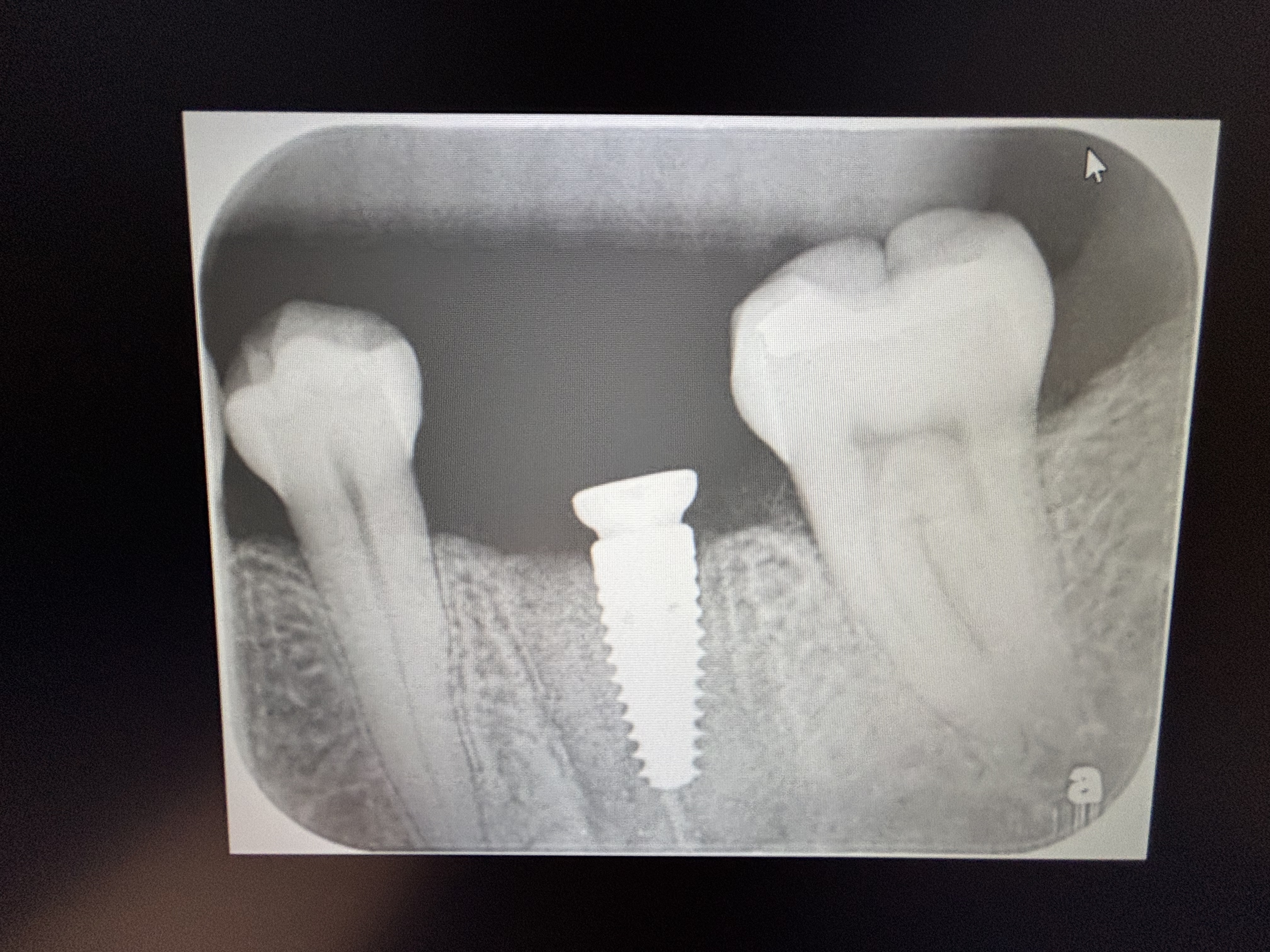
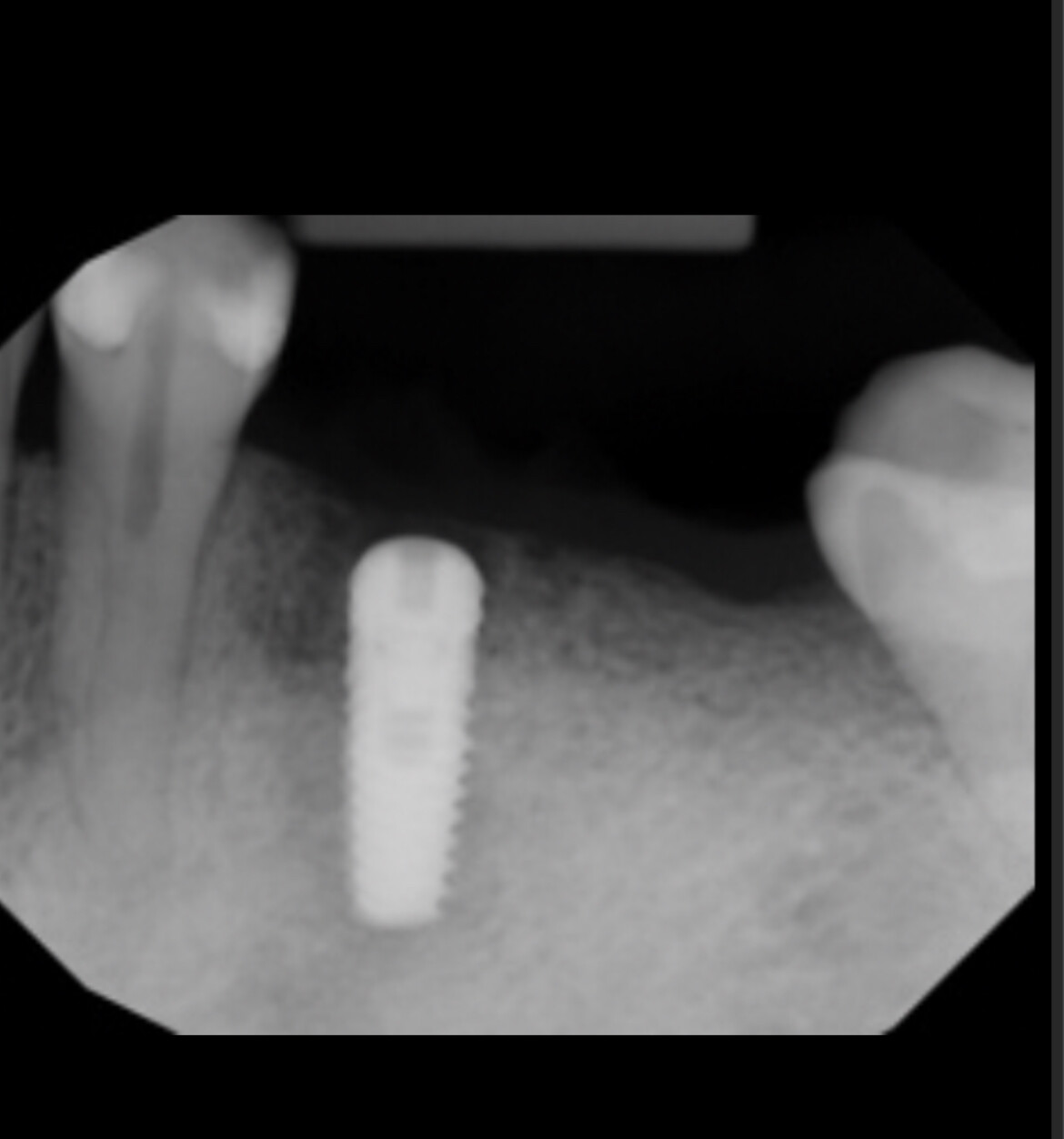
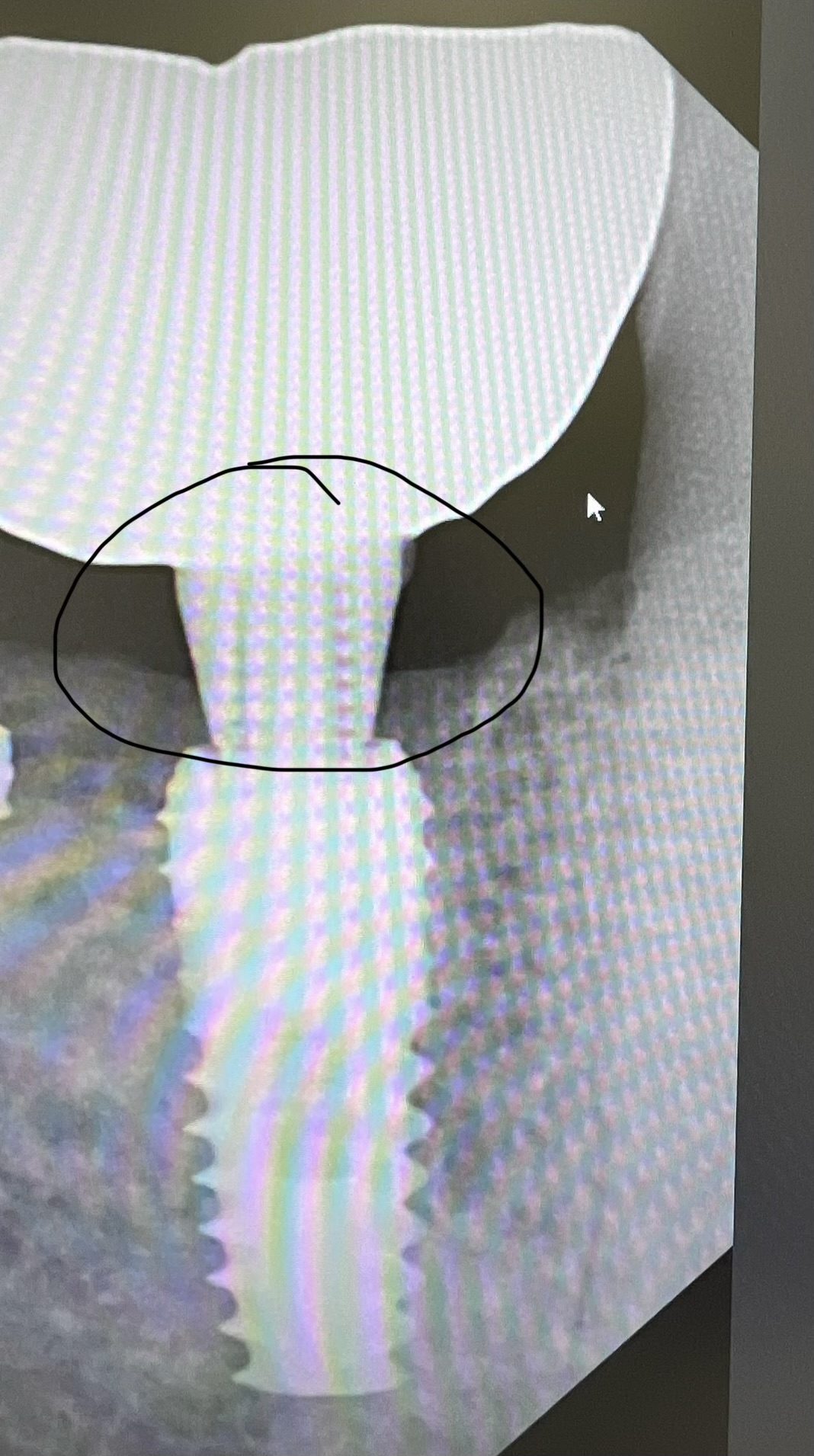
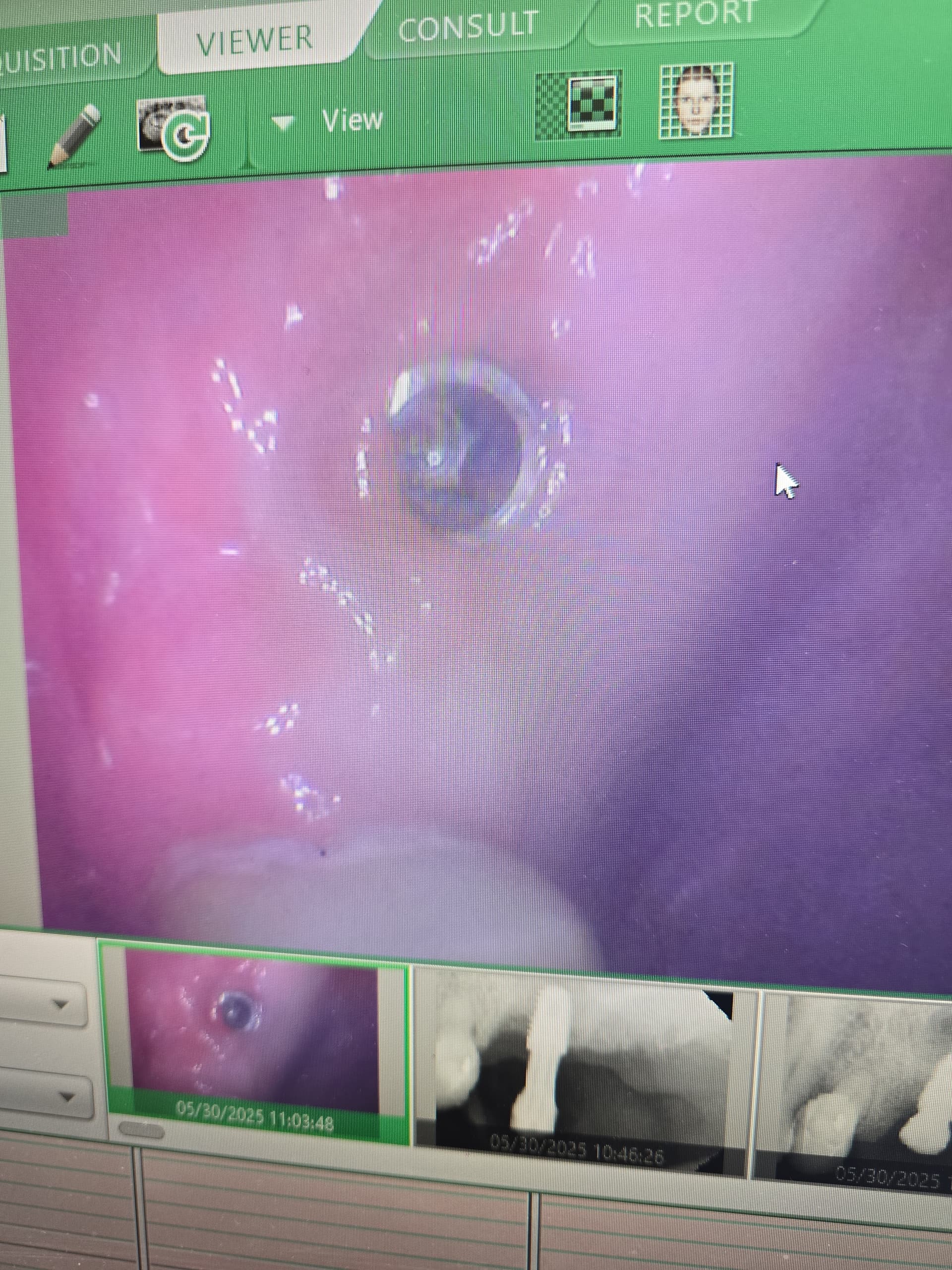
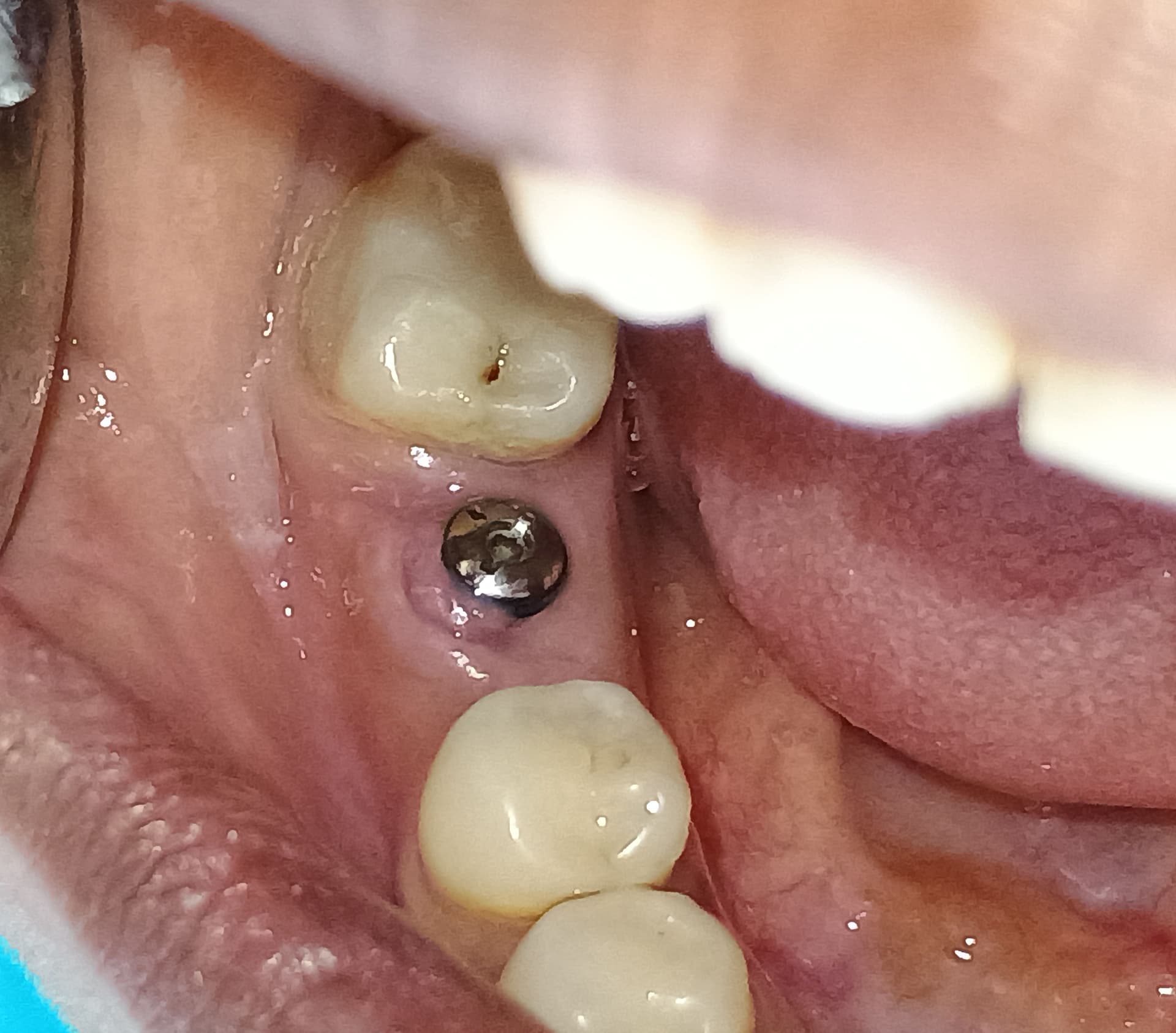
The threaded collar under my dental implant crown will not remain tight.  Therefore, my crown rotates on the implant (which is approx. ten years old, with a round body). 

It has been tightened repeatedly and will not remain tight.  Is there a
preferred method for locking the
threaded portion to the dental implant?  I would greatly appreciate your advice.
Featured Sponsor

Free Daily Email Alert Click Here>>

Get OsseoNews.com Comments delivered daily! Click Here to subscribe.

5 Responses to “ Tightening the Crown on an Implant ”

  • Alejandro Berg September 5th, 2006

    James:
    only real choice is to get a new crown done after checking that the hex on the implant still has the original and correct shape, since sometimes during retightening the get deformed or damaged, if so you will probably need a new implant.
    Get a good prosthodontist to make the new crown so it will fit correctly and will have the adecuate occlusion.
    good luck

  • Dr Morris September 5th, 2006

    James,
    rotation of the crown can be many factors, the implant may not even have a hex, or other anti-rotational features. If there is a hex, be it internal or external it may be damage because of a loose set screw and needs to be replaced, if no hex is present, then my solution has been the use of a “lock-tite” solution called Omnibond, and proper torque of the abutment, along with broad interproximal contacts and non interfering occlusal contacts, or balanced occlusal contacts.

  • DR. Zev Kaufman September 6th, 2006

    James:
    This is a common enough problem with implants where the anti-rotational feature has been bypassed and/or damaged. There is a way of repairing the situation without taking the implant out (which is a difficult procedure if the integration is good). However, I do need much more information than you have provided. The best way to do this is to find a Prosthodontist who is preferably surgically trained, to uncover the head of the implant and introduce a new anti-rotational component. Over the years I have performed several of these repairs on different types of implants, but they are tricky to perform properly. If you are in the New York area, please feel free to call on me and I would love to help you out.

  • Michael Johnson September 8th, 2006

    This is probably an externally hexed implant. Check the abutment screw. It is probably an old slotted or hexed titanium screw that can only be torqued to 20 ncm or so. Have your restoring dentist replace the screw with a gold square drive screw that can be torqued to 32-35 Ncm. This should help prevent loosening. Also make sure lateral excursive movements are kept of the crown.

  • Dr.chin Lim September 12th, 2006

    I remember attending a seminar in which he advocates retightening of the screw after 15-20 mins. because in the initial tightening, there will be a metal fatigue due to contacts of the screw and the implant body. when doing retightening, you are putting the metal fatigue out of the quotient.


Leave a Comment

Note: Please refrain from ad hominem attacks, and promotional comments. Outside links are not permitted in comments. Though we require an email to route questionable comments to our editors, we will NEVER publish your email or use it for any other purpose. Thank you for your understanding.

Note: At times your comment may not appear on the website immediately, because it has been sent to our editors for approval. Once approved, we will publish the comment. There is NO need to resubmit your comment, if it does not appear on the website immediately.

Mon September 08 2008

FREE Weekly Email

Keep current on the latest dental implant discussions! It's Free!

>>Click Here to Subscribe to OsseoNews.com Now!


Sponsor