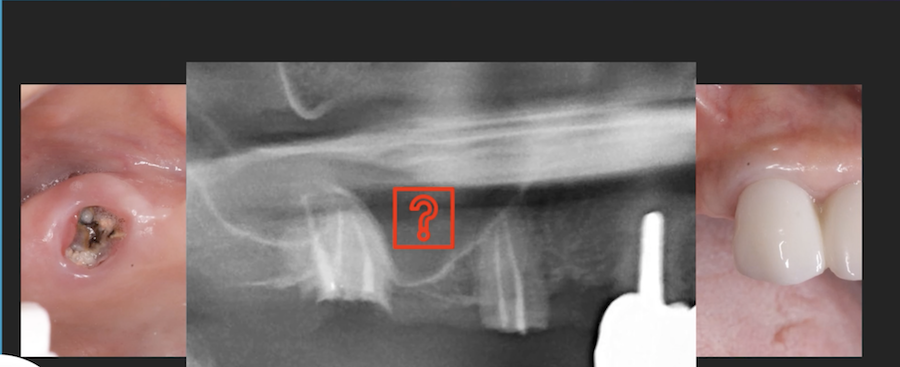
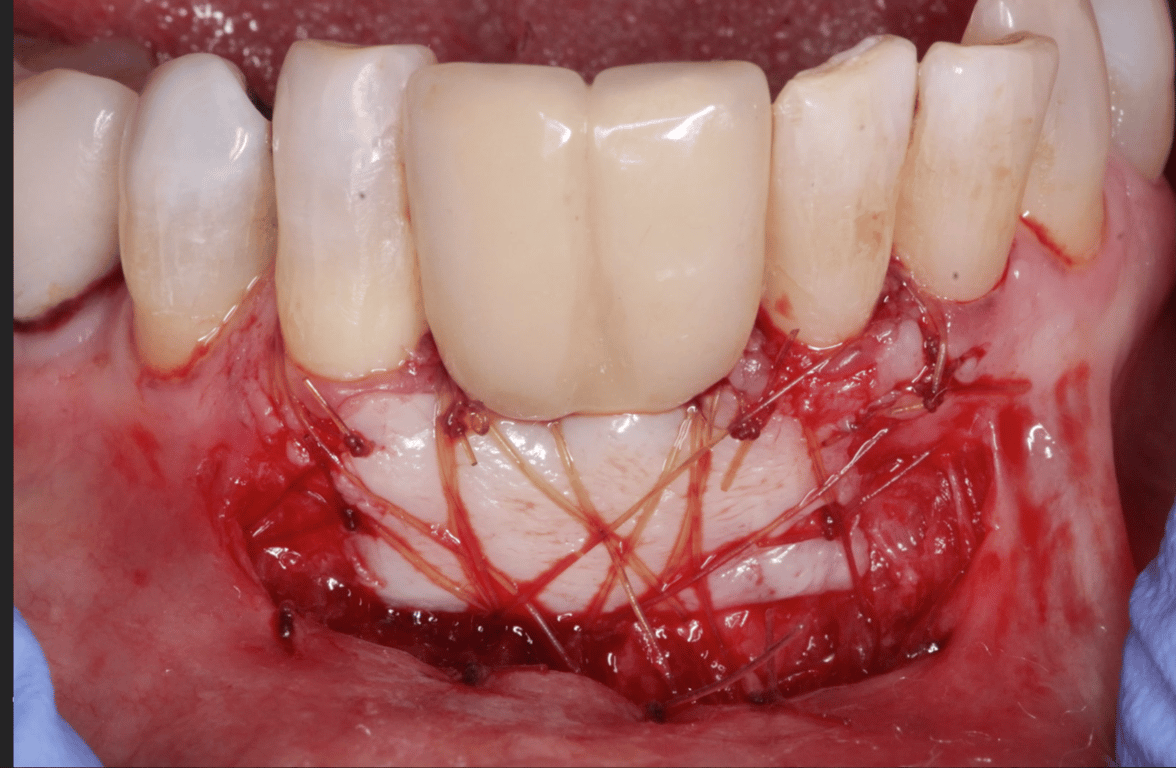
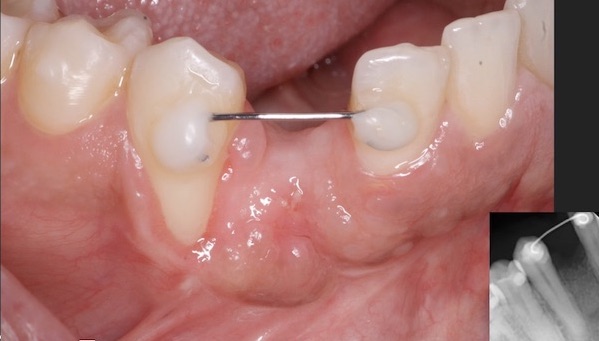
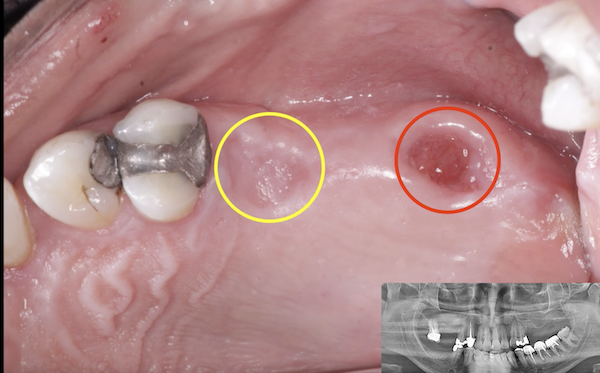
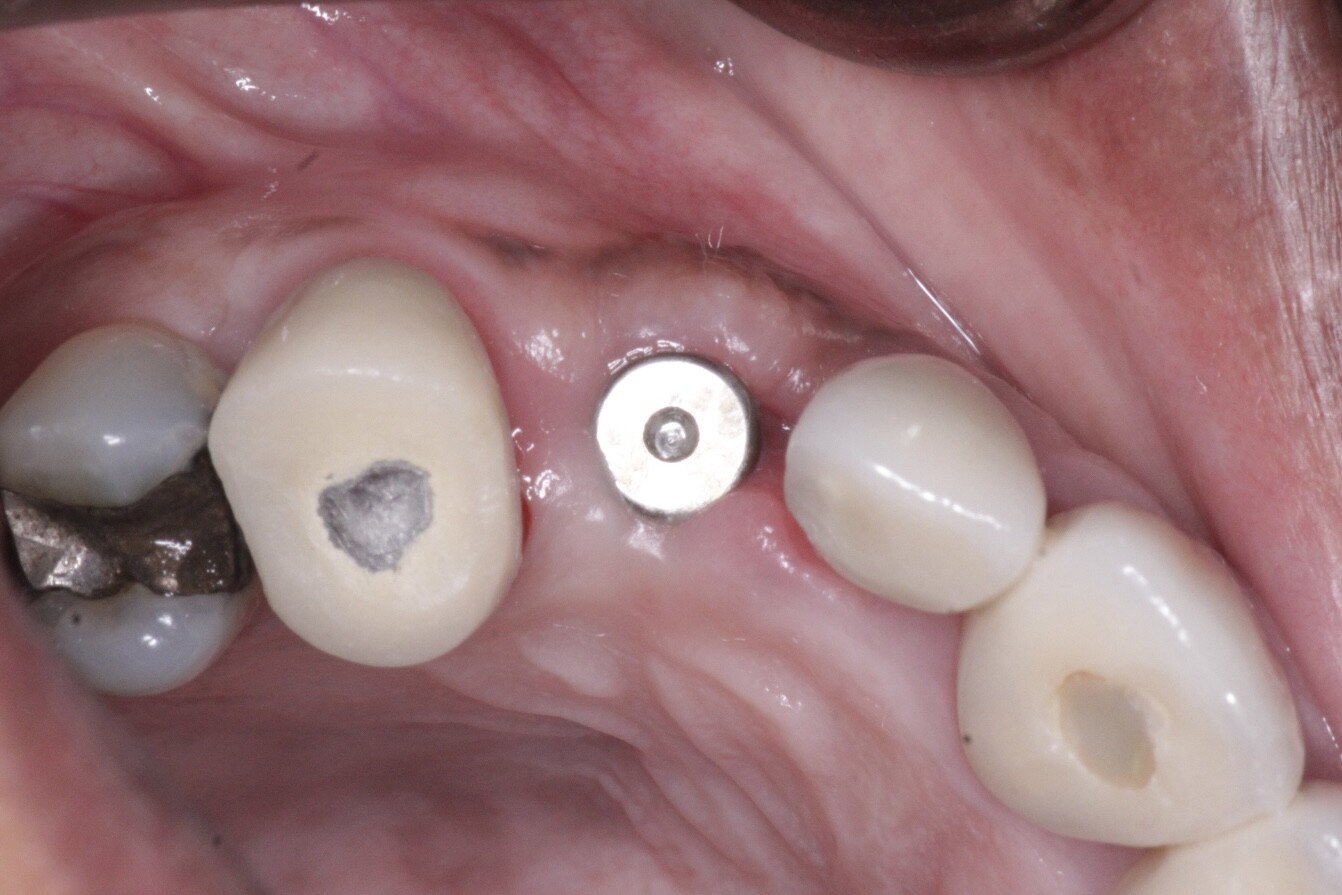
Tissue Punch Technique
Michael, a dentist, asks:
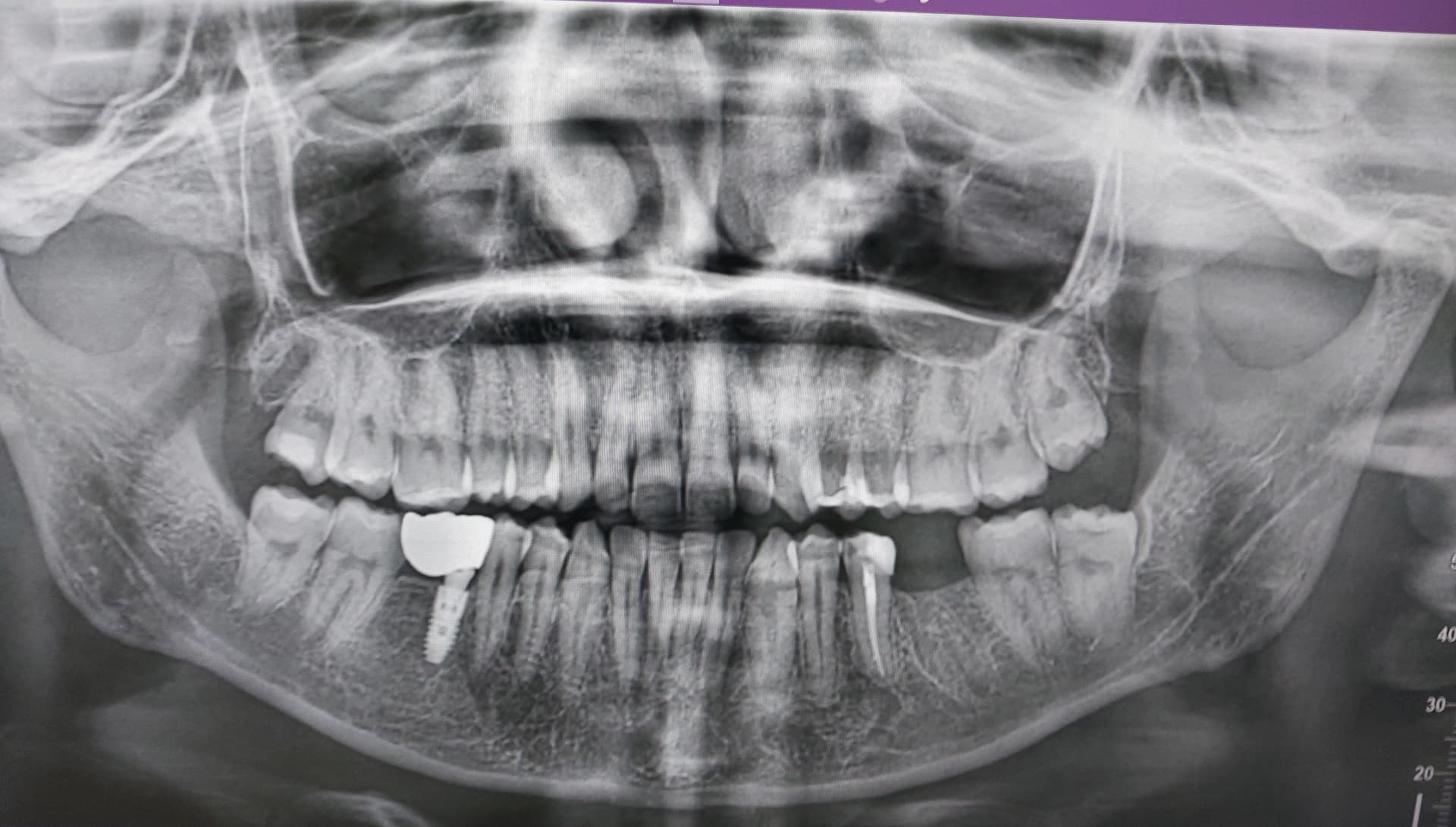
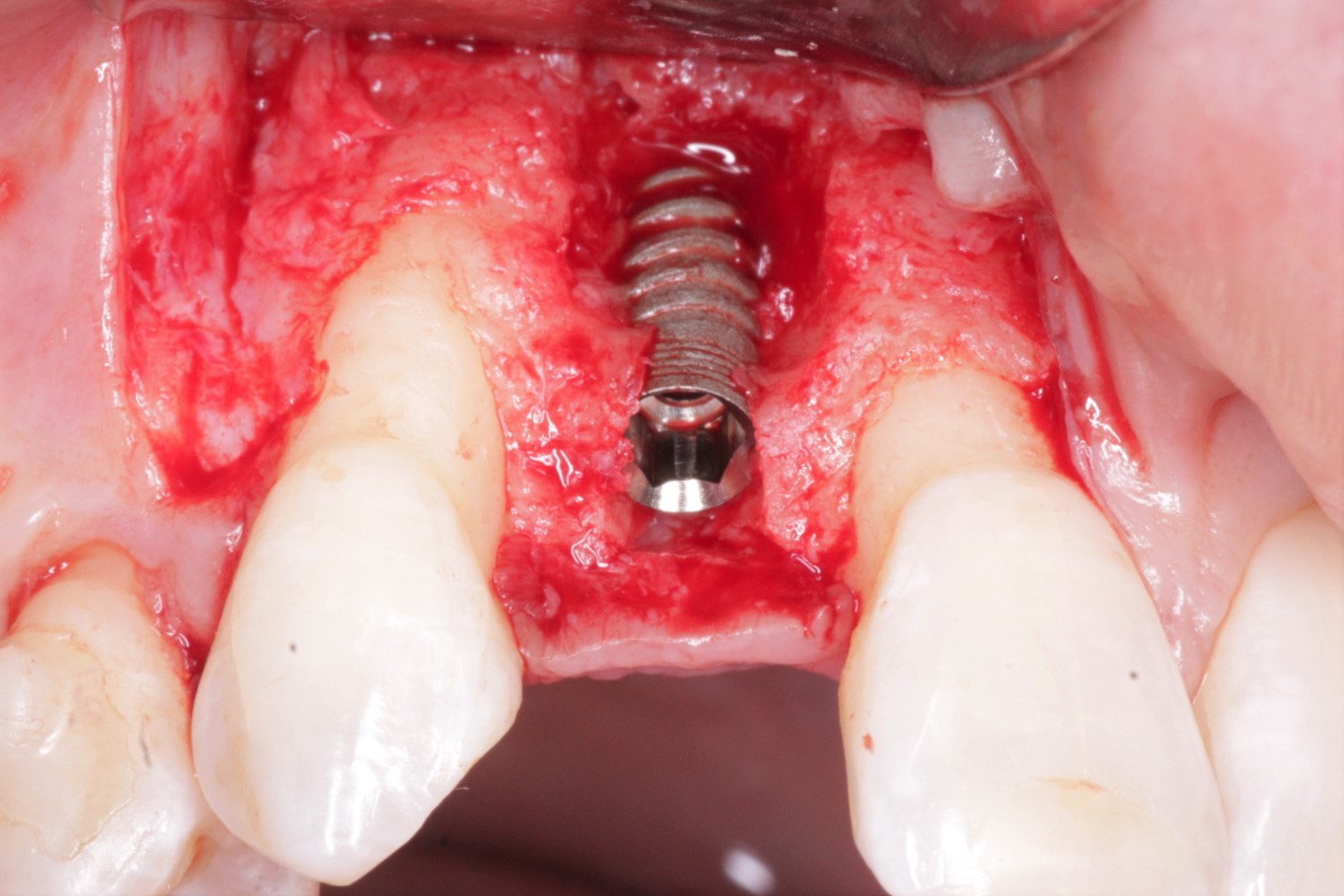
Can someone please elaborate a bit on the tissue punch technique for dental implant placement? What are the benefits of this approach versus the more traditional surgical flap procedures? In what cases is the punch approach indicated? What have you experienced in terms of success and possible complications? Furthermore, could you please elaborate on the size of tissue punch to be used with corresponding implant, i.e. what diameter tissue punch should I use for a 4mm dental implant?
Thanks.
9 Comments on Tissue Punch Technique
New comments are currently closed for this post.
Scott Smith
2/27/2007
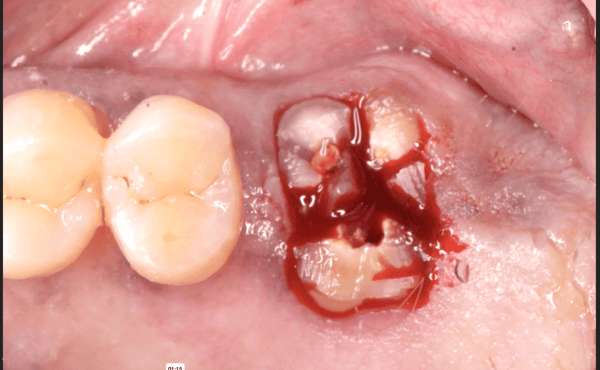
A tissue punch is a simple and easy way to gain access to the underlying bone. It generally is chosen in our practice when there is 1) excellent ridge width and there will be no bone needed i.e. mandibular posterior 2) excellent keratinized gingiva 3) good access to place the punch.
I will use either a 4mm or a 5mm dermatologic punch which we order via Ace surgical for pennies. It is a one use instrument. The 4mm is used for smaller diameter implants (3-3.75) and the wider is used for the....wider ones.
There are many types of punches, some hand held some latch types, I use the hand held ones especially for the anteior because it also allows me to see the angle at which the implant is placed.
I have coined a couple of names for the use of the punched tissue I will often use to further augment he buccal gingiva. The "punch and pull" is used to pull the tissue via a pouch on the buccal margin of the implant. the "punch and push" is used to push the tissue via the gingival margin we made with the punch. So essentially the piece of tissue is used to further bulk out the buccal aspect of ANTERIOR teeth. This improves esthetics, and cleansibility.
I punch maybe one out of twenty times though...so it is not my usual access. Hope this has been helpful...you can always email me for pictures or further help.
Scott (Periodontist)
Jeffrey B. Geno DDS FAGD
2/27/2007
I have been placing implants for approx 2 years..and I only place what the oral surgeons call "slam dunks"...big fat ridges with no anatomical concerns
I use the tissue punch about 95% of the time and the results are very good all the way around
I am just a neophyte but I would highly recommend the use of the punch if possible
Leopoldo Bozzi MD DDS
2/28/2007
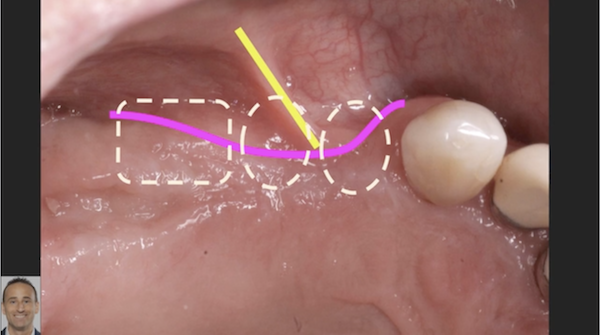
A nice way to have the benefit of the punch access (low morbidity and inflammation of the surrounding tissues) without the complete blindness and the lost of keratinized tissue typical of this approach in case of a "normal" case, is to have a crestal cut with no vertical releasing incision, then using a small elevator, or a sterilized restorative instrument called cleoid-discoid, go for inspecting the lateral portion of the ridge. Very often, it is possible to leave the implant in a single stage procedure, with no need for suture and the same good postop for the patients.
cory c.
3/2/2007
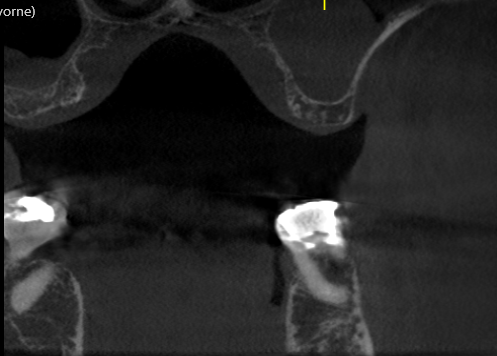
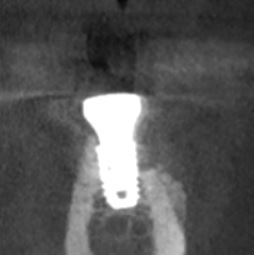
since your usually working w/ a pa radiograph not a ct scan you'll only have a 2-dimensional view of the underlying bone morphology. this is a problem in the anterior area where resorption is often masked by remaining soft tissueridge contour giving the appearance of an intact ridge, at least bucco-ling. where in fact a spiny residual one exists.the tissue punch will base out at theheight or "peak" of the spine and you'll drill into what feels like good ,solid bone.however, the end result turns out something like strip-perforating both buccal and ligual sides down about 50% of the implant once seated in place [i wish i didn't know this but i speak from experience].flap the anteriors if more than one tooth in a row is missing.also ask how the patint lost the tooth/teeth.a traumatic injury leaves different bone morphology than ext. or perio cond.
F. Campos D.D.S
3/16/2007
Every time you expose bone in a traditional technique to place an implant you will loose some bone aprox 1 mm. Using tissue punch technique you'll be saving some bone but if you don't have a good diagnostic tool ( ct scan , ridge caliperor any other way to determine thickness of soft tissue you will be flipping the coin, not always a big fat ridge is good enough for placing an implant.
Preet J
9/8/2010
I want to get some scientific literature on punch about advantages over conventional flap designs.
peter torres
9/27/2010
thanks for all your informative advice
Elie Warde DDS
9/28/2010
Dear colleague.
I use the Tissue Punch Technique to recover the implant platform to screw a healing abutment. I do implants since 10 years and I always postponed the flapless technique for the next time, and never did it.
I always do a crestal cut with or no vertical releasing incision (it depends of the number of adjacent implants).
Elie
Vadim Skorupko DDS
11/25/2010
Elie,
what company have you purchased the TP from?
Thanks