Titanium Membrane Exposure: Solutions?
Dr. A. asks:
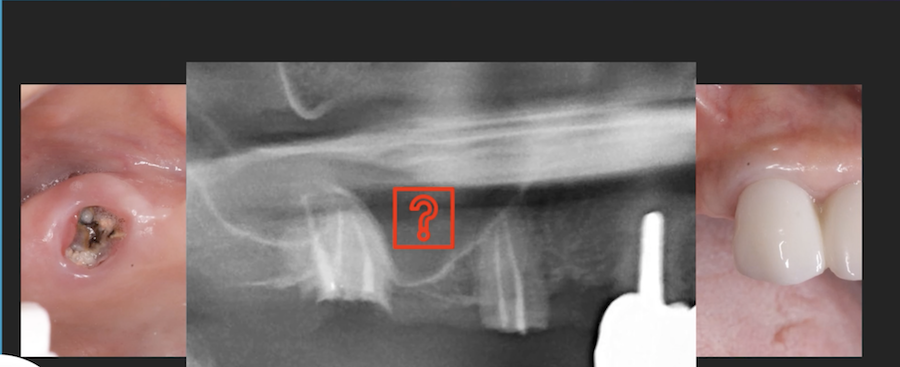
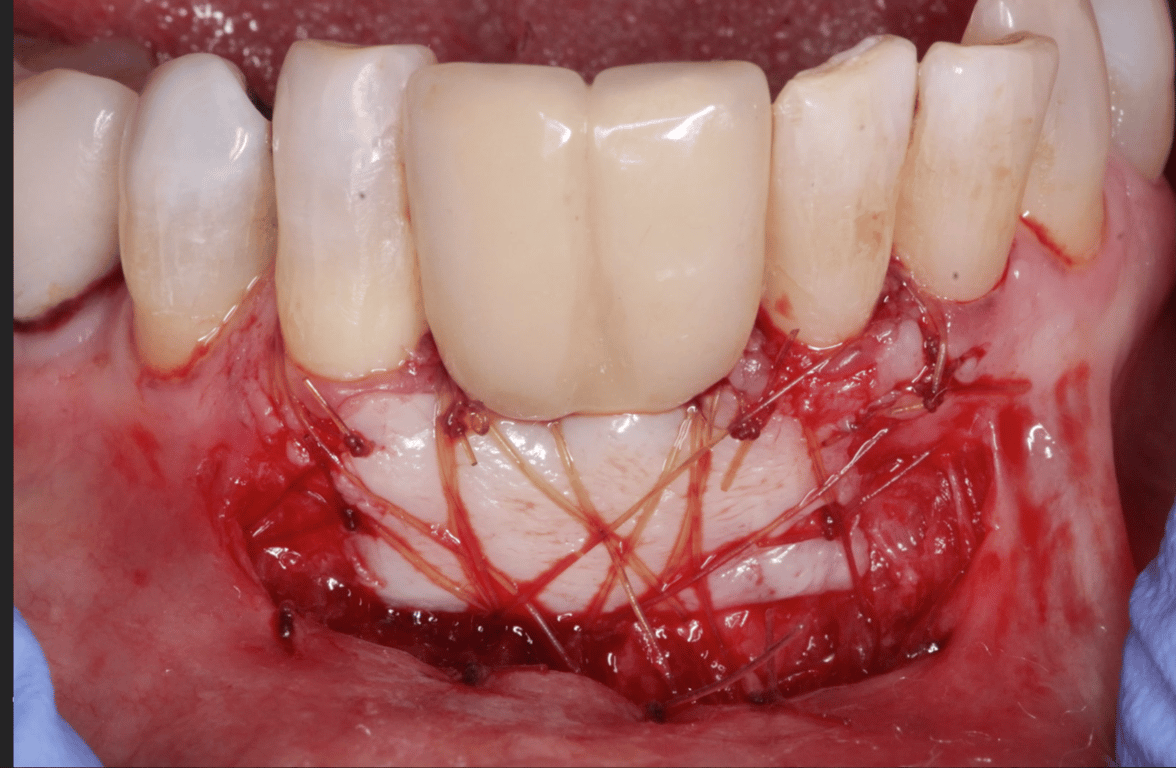
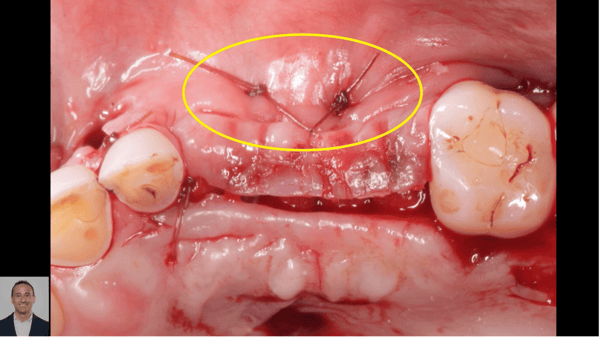
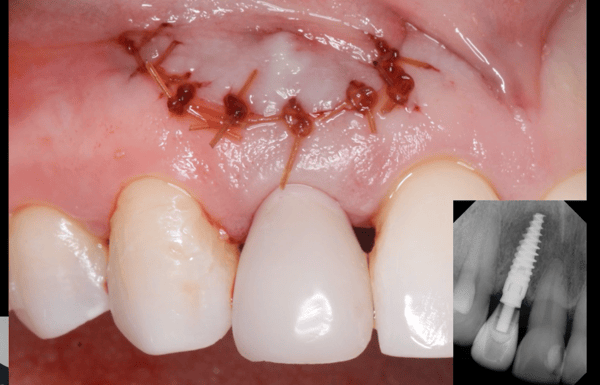
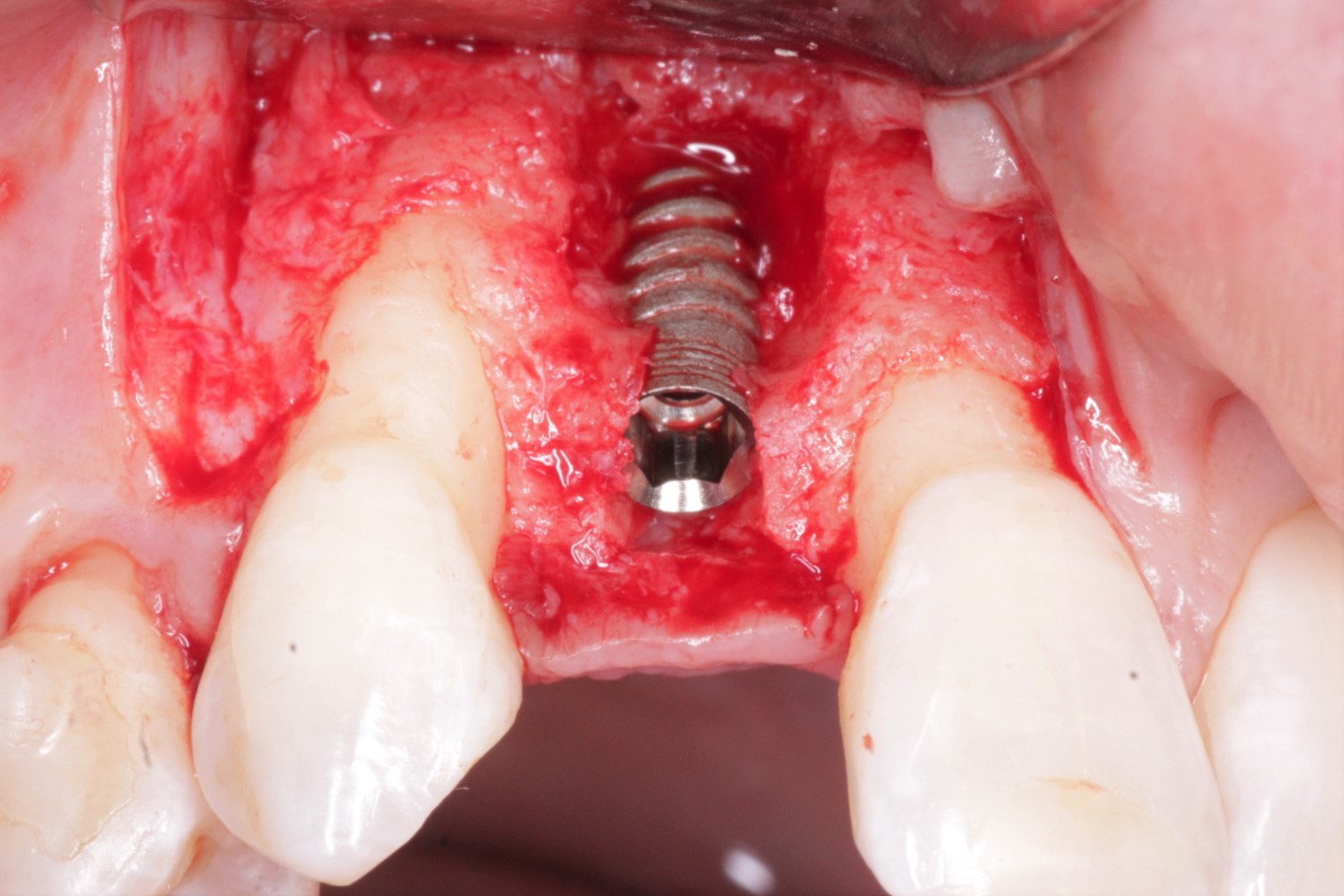
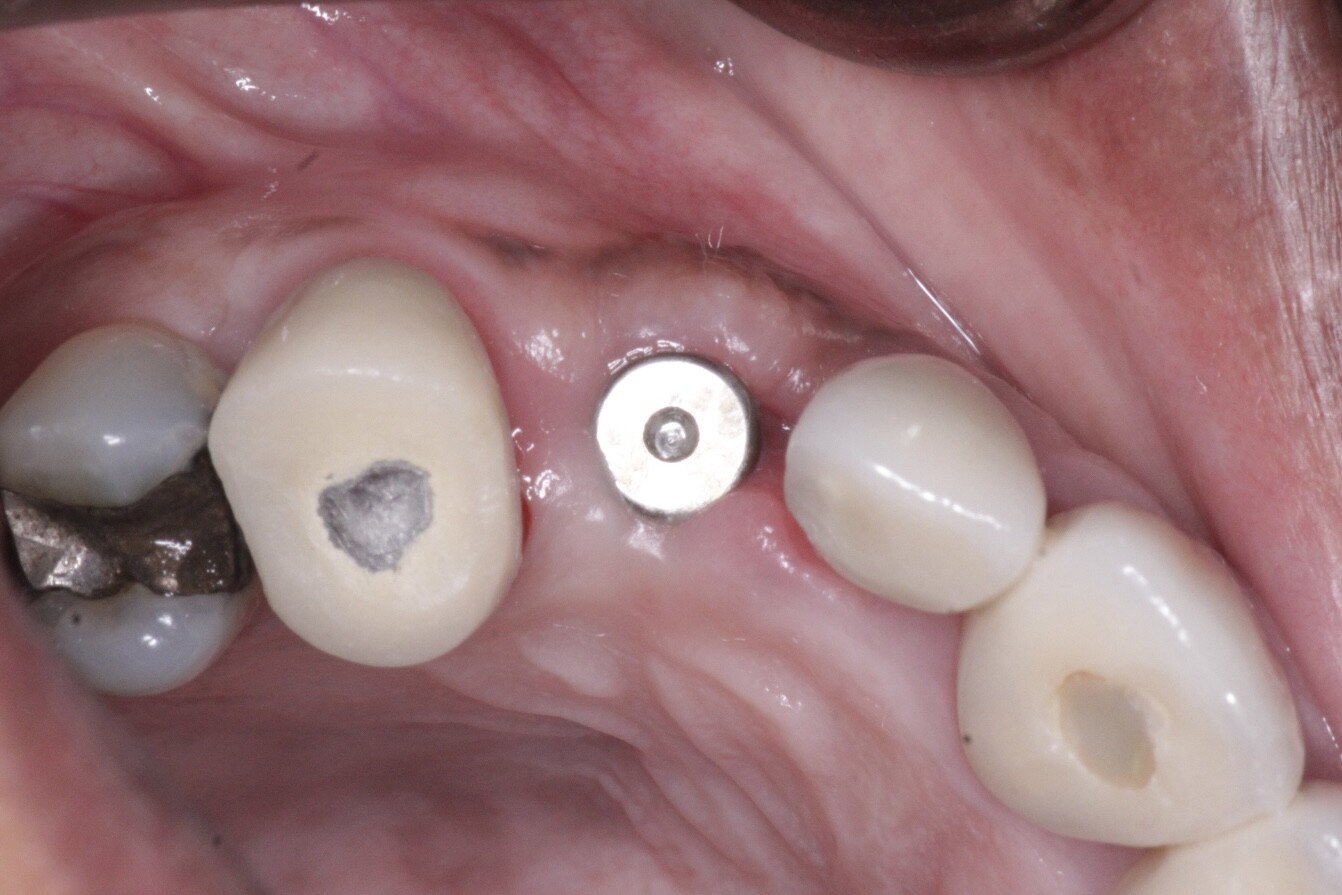
I have placed 3 dental implants and grafted around the implants with autogenous bone chips and a non-resorbable titanium membrane 3 weeks ago. There is a medium size exposure on the flap and the titanium membrane is visible. In spite of rinsing with chlorhexidine there is some inflammation at the exposure site in the flap. Are there any solutions for this complication? Is soft tissue graft useful for this situation?
14 Comments on Titanium Membrane Exposure: Solutions?
New comments are currently closed for this post.
Dr. B
1/8/2008
ti memebrane always cut through the soft tissue because of the sharp edges. just leave it there but it may cause discomfort to the patient and difficulty to keep it clean. try collagen membrane next time.
Dr. B
1/8/2008
one more point, chlorhexine may harm your graft
Alejandro Berg
1/8/2008
just keep it clean with some diluted h2o2, since chlorexhidine is not recomended in this cases.
best of luck
Ihde
1/8/2008
Most of the Ti-membranes are non resorbable....
Chlorhexidine is well known to impair soft tissue healing.
I have seen the best anti-infection effects when using Betadine (mixed with NaCl 1:1)instead of H202 or Chlorhexidine.
Exposures of those membranes usually are the result of unfavourable flap designs. Make sure that your sutures are positioned in safe grounds. Sharp edges of the membranes are better to be nailed down.
piezo1
1/9/2008
A question to all: why do you say that CHX impairs soft tissue healing?
Do you have some references to state this?
thanx a lot
Fredrick Shaw
1/9/2008
All titanium membranes are non-resorbable. Regardless, membranes resorbable or not, each have specific protocols and indications according to presentation, and should be followed according to manufacturers recommendations.
Fredrick Shaw
1/9/2008
CHX is great for soft tissue. There is some literature that indicates CHX inhibits fibroblast and possibly impedes bone formation. Ask Dr. Callan he can probably site an abundance of literature to support contention.
piezo1
1/10/2008
Thank you Fred for your help.
So, Dr. Callan, could you post some reference in literature about that? Thank you to all.
King of Implants
1/12/2008
I will assume you mean an E-PTFE membrane reinforced with titanium. For the answer you are looking for refer to
Practical Procedures Aesthetic Dentistry 2007; 19(2): 111-117
How to handle this complication depends on the size of the exposure.
Good luck.
Dr. Gerald Rudick
1/15/2008
I became excited years ago with the idea of Titanium mesh being used to act as a form to cotain the particulate graft, that would not collapse.
I looked into the TRAM system, experimented with Titanium screen, and then tianium mesh. As commented by some of the contributors above, almost all of the time, the titanium does become exposed, regardless of how good and extensive your suturing and flap techniques are.
The edges of the titanium screen or mesh are rough, and will irritate the surrounding soft tissue, the titanium is porous and does not keep out bacteria and fluids and debris from the oral cavity.Titanium screening presented with a whole other set of problems including unravelling, and soft tissue invagination.
Recently, some collegues and I have been experimenting with a thicker ( 1/100" ) PTFE which will act as a non collapsable scafold, is not porous,will stay in place without tacks or screws.
We have a number of clinical investigators trying this material, and I will report back to this forum, when we have more definitive results.
If you are interested in trying this material, and are willing to document your results with us, then please send me an email Subject:- PTFE
Gerald Rudick dds Montreal, Canada
Regenr8r
2/18/2008
This is a common complication with Ti-reinforced Goretex. The site will probably NOT close. Trying to close it your self is an exercise in futility. It is a general principle of surgery that you don't close a dehissiced wound ever. The body is trying to tell you something!
The best way to manage this case is to try to nurse the site along until 6-8 weeks out. By that point you should be well into the osteoblastic phase of wound healing and immature osteoid present.
Keep the patient on systemic antibiotics, such as Amoxicillin, and have them gently swab the area with a q-tip with Chlorhexidine several times per day. See them weekly for followup to ensure there is no progressive infection or purulence. They are usually self-draining.
At 6-8 weeks, remove the membrane, try not to disturb the underlying new (immature) osteoid/CT, and attempt primary closure.
All in all your bone formation goal may be compromised, but it is what it is at this point, Best to reeval and address later if necessary.
Nick.
Amr Bokhari
3/5/2008
I agree largely with Nick that you should avoid attempting to close the site. If the exposure is small you may be able to do it with a connective tissue graft, however you are risking complications. I would nurse the wound for a few weeks with a cotton swab impregnated with CHX. You should remove the membrane when you feel the tissue is starting to get inflamed and attempt primary closure. You will likely be able to salvage most of your graft but expect a less than ideal result. I respectfully disagree with Nick that you should prescribe antibiotics unless your patient has developed an infection.
Dr.Caesar Wong
11/9/2008
The wound dehiscence does not pose any problems as the wound underneath the titanium membrane always heal well. Unlike most colleagues using thick titanium membranes that are difficult to work with and requires pin fixation, I use tiltanium membrane of very thin thickness of ony 10 microns so I do not need to fix it in place and it is very pliable, conforms to the contour of the bone graft and does not change position. If your are interested in what I am using, you can contact me.
Dr. K
10/17/2011
hi dr. Wong, so what you mean is if the titanium membrane is thin, pin fixation is not necessary?