Sam, a dentist, asks:

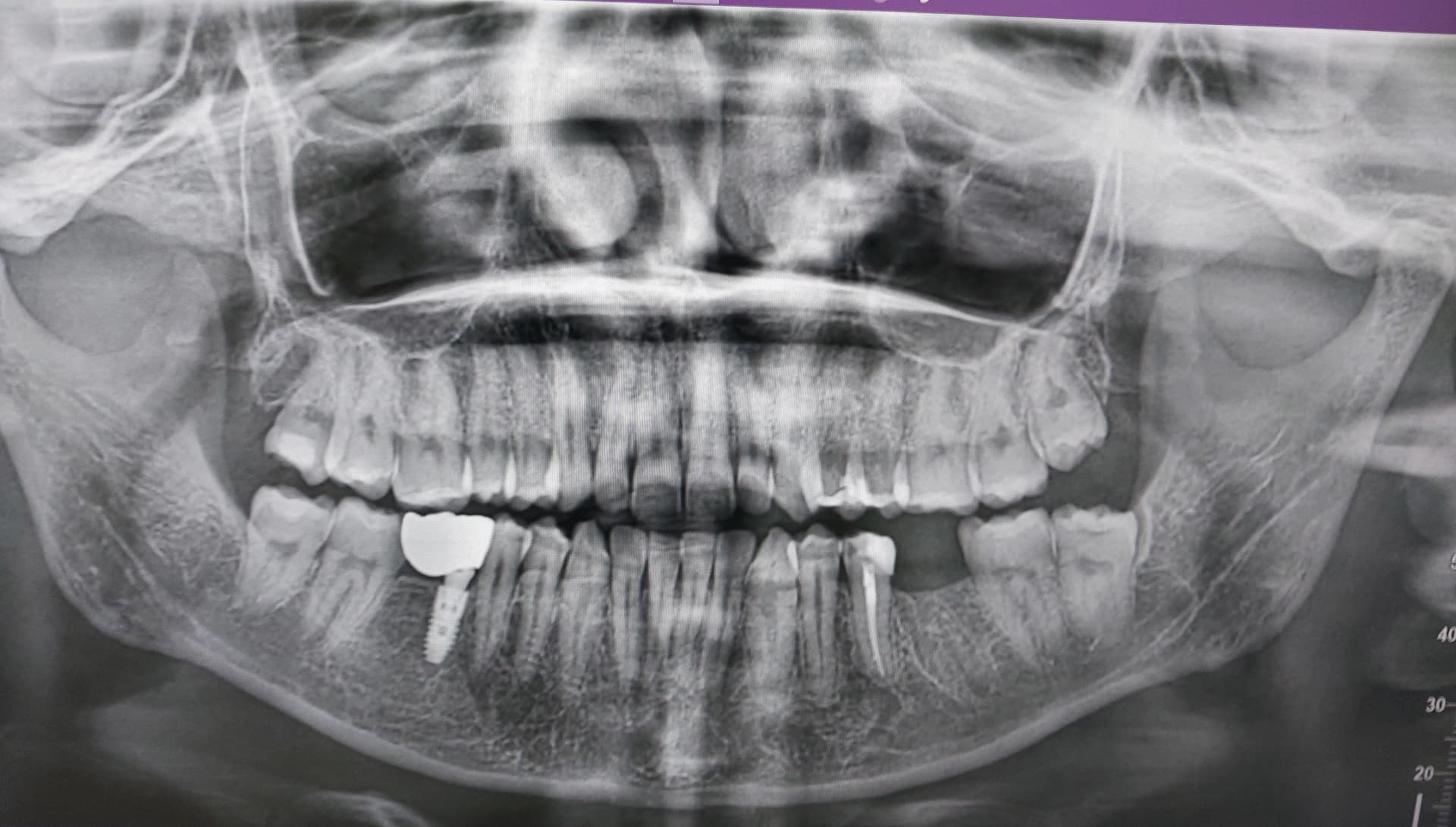
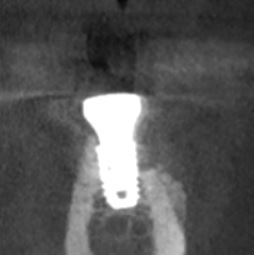
I have placed 4 dental implants in the 28 ,29, 30 and 31 areas. The patient
called me the day after surgery to complain that his lip and chin are
still numb.

I had the patient come in and I unscrewed the dental implants in
31 and 30 areas by a thread or two. The patient immediately started
having more sensation in his lip and chin. The sutures opened shortly
after and the sites healed by secondary intention.

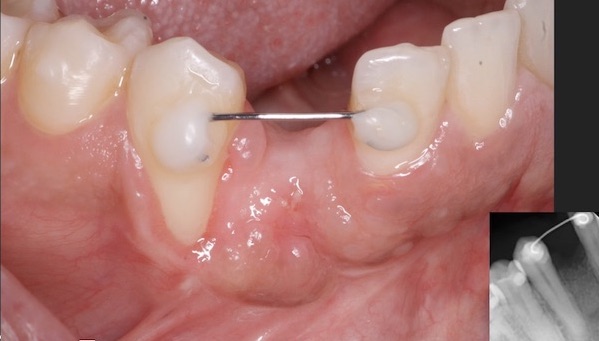
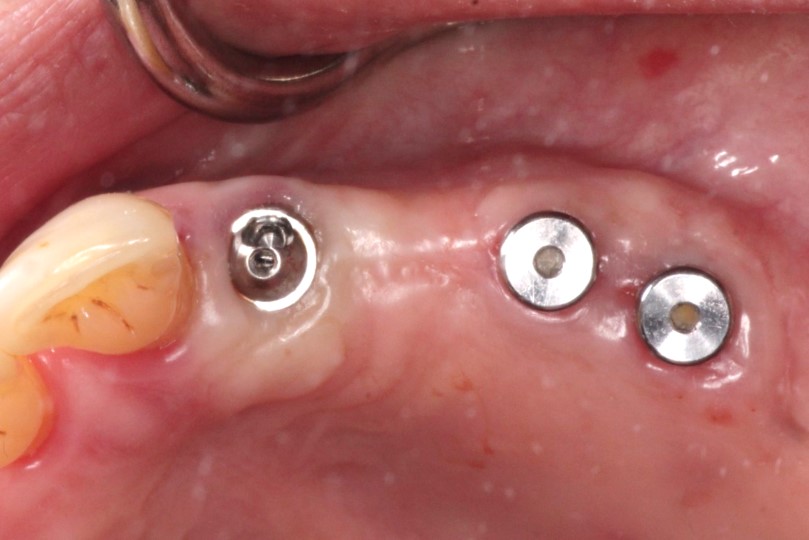
Six weeks post-op the cover screws began showing through the wound
site and the dental implants do not feel as tightly fixated as they were
before. The patient also has one area on his lips where he still does
not have sensation. What should I do at this point? What do you think
of the prognosis?
Featured Sponsor

Free Daily Email Alert Click Here>>

Get OsseoNews.com Comments delivered daily! Click Here to subscribe.

11 Responses to “ Unscrewing Dental Implants ”

  • alvaro ordonez November 20th, 2006

    Unscrewing the implants was the right thing to do, and it seems like its getting better! you had some immediate improvement, but expect the rest to improve more slowly, and it could resolve completely with time, though it may have some everlasting tingling feeling.
    Time will tell!
    The implants are loose since they are not fully seated on their bed! the area may be experiencing some granulation, I believe you will probably loose those implants!
    If they are loose remove them and place a graft, wait and place wider shorter implants in the future or try to gain some height during the grafting process with a cortical block or with a titanium mesh.
    Good luck!

  • NYC OMS November 21st, 2006

    Too late for this advice, but in these situations I advocate removal of the implants ASAP - they can always be replaced, which is not the case with the IAN.
    In this case, it seems they will be removed anyway, so nothing was saved by backing them out - one problem with backing them out, of course, is how much?
    We can’t really know how much relief we need to get the result we want & as you now know, its not a good place to be guessing. Remember also that the pitch of implant threads is very shallow, so a thread or two is really not much relief.
    I almost never place implants in site #31, the nerve starts to ‘come up’ here, the access is difficult for both surgeon & restorative dentist, & almost all pts will function well w/ # 30 as the last tooth.

    You say the implants do not “feel as tight” -an implant w/ any moblity at all is extremely unlikely (read “never) to integrate -take it out ASAP - I would wait to graft till I see what happens to the IAN, tho

  • Anonymous November 21st, 2006

    From a liability standpoint, it is always recommended that the implant be removed immediately. Xrays will probably also show that the bur tracked into the IAN.

  • Anonymous November 21st, 2006

    Please refer to the topics on CT Scan/Cone Beam CT and the interview “Advantages of the Simplant Platform” to help you avoid this problem in the future.

  • Anonymous November 21st, 2006

    I agree with a previous post that the fixtures should be removed ASAP. You do not mention anything regarding your pretreatmnt workup. Did you have an adequate radiographic exam? A CT Scan/Cone Beam CT can be an invaluable tool in this regard. What form of anesthesia was used during the placement? On a majority of my mandbular cases, I give infiltrations only and avoid nerve blocks.

  • Clark Brown November 21st, 2006

    Here’s another vote for removal of the offending implants ASAP. All the advice given above is appropriate and should be considered standard of care. If you have no continued improvement in sensation after 6 weeks post operatively, referral to a specialist (particularly one with experience in nerve injuries) is warranted.

  • Robert Emery November 22nd, 2006

    Remove the implants found to be to close or impinging upon the nerve using appropriate imaging. Early referral to an oral and maxillofacial surgeon familiar with nerve treatment and repair would be appropriate. The American Academy of Oral and Maxillofacial Radiologist recommended three dimensional imaging prior to implant placement in the year 2000 (Oral Surg Oral Med Oral Path 2000;89:630-7).

  • k.r david tharakan November 24th, 2006

    If i face such a situation, i would go for implant replacement with shorter and broader ones rather than doing additional ridge procedures after getting patient consent, and go for complication preventive measures in the future.Can I be informed of the implant company you worked up your case with ?

  • Anonymous November 28th, 2006

    CBCT scans are increasingly affordable for your patients costing three to six hundred dollars. Surley, knowing the possible risk associated with placing implants the such a cost is well advised.

  • amgdds December 4th, 2006

    Upon being faced with a demanding and dictating situation as to requiring “mechanically relieving pressure” on the mandibular nerve, a “thorough REVIEW” of any intentionally overlooked unintentionally accommodated compromises in treatment planning and any other “adverse experiences” during the surgical procedure that may have occurred but escaped recognition at that moment.
    Reviewing and analysing them(procedural experiences) at/under the following stages:-
    A. pre-operative, eg: estimated implant length was in-appropriate… too long
    B. Operative,
    eg: pilot bur/osteotomy drill must have given a “sinking” feeling and there must have been a “severe gushing” bleeding suggesting entry into the(nerve/blood-vessels) canal and damage to contents.
    Implant tightened to required torque(or not) for stabilisation and to prevent it’s micromovement enabling proper integration.
    C. Post-operatively,
    eg:post-op radio graphs taken to evaluate and confirm the proximity and orientation of the implant/canal.
    These observations will enable us & provide a base for a “rational and logical” means of resolving the complication, rather than arbitrarily “un-screwing immediately” or “removing it” later.
    Example: Upon confirming that all other bio-mechanical aspects of surgery being normal and satisfactory, why not Waite for the resolution of the oedema that may have led to probable pressure(intra-canal, caused by the surgical trauma in the vicinity)? positives observed.
    Where as, if any of the negatives being observed or experienced, just unscrewing the implant, but not removing it now appears to be irrational.

  • Albert Hall December 8th, 2006

    Welcome to the jungle!The more we beleive everthing is under control, the more we fail.With SimPlant or Biocare ‘guide…and many other we will have less chance to place implants in that areas.


Leave a Comment

Note: Please refrain from ad hominem attacks, and promotional comments. Outside links are not permitted in comments. Though we require an email to route questionable comments to our editors, we will NEVER publish your email or use it for any other purpose. Thank you for your understanding.

Note: At times your comment may not appear on the website immediately, because it has been sent to our editors for approval. Once approved, we will publish the comment. There is NO need to resubmit your comment, if it does not appear on the website immediately.

Thu August 07 2008

FREE Weekly Email

Keep current on the latest dental implant discussions! It's Free!

>>Click Here to Subscribe to OsseoNews.com Now!


Sponsor