Dental Implant Patient with Diabetes?
Dr. H. asks:
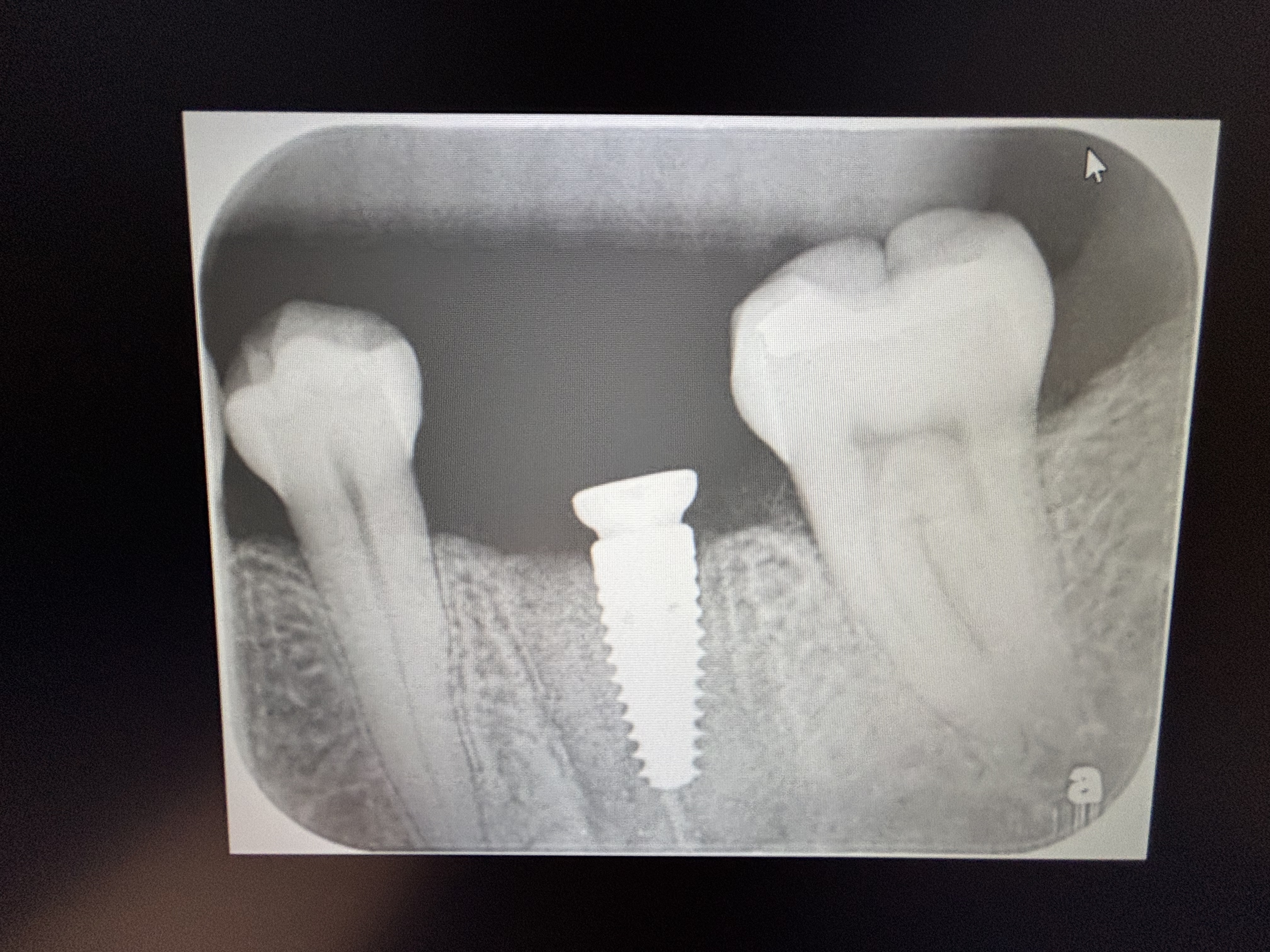
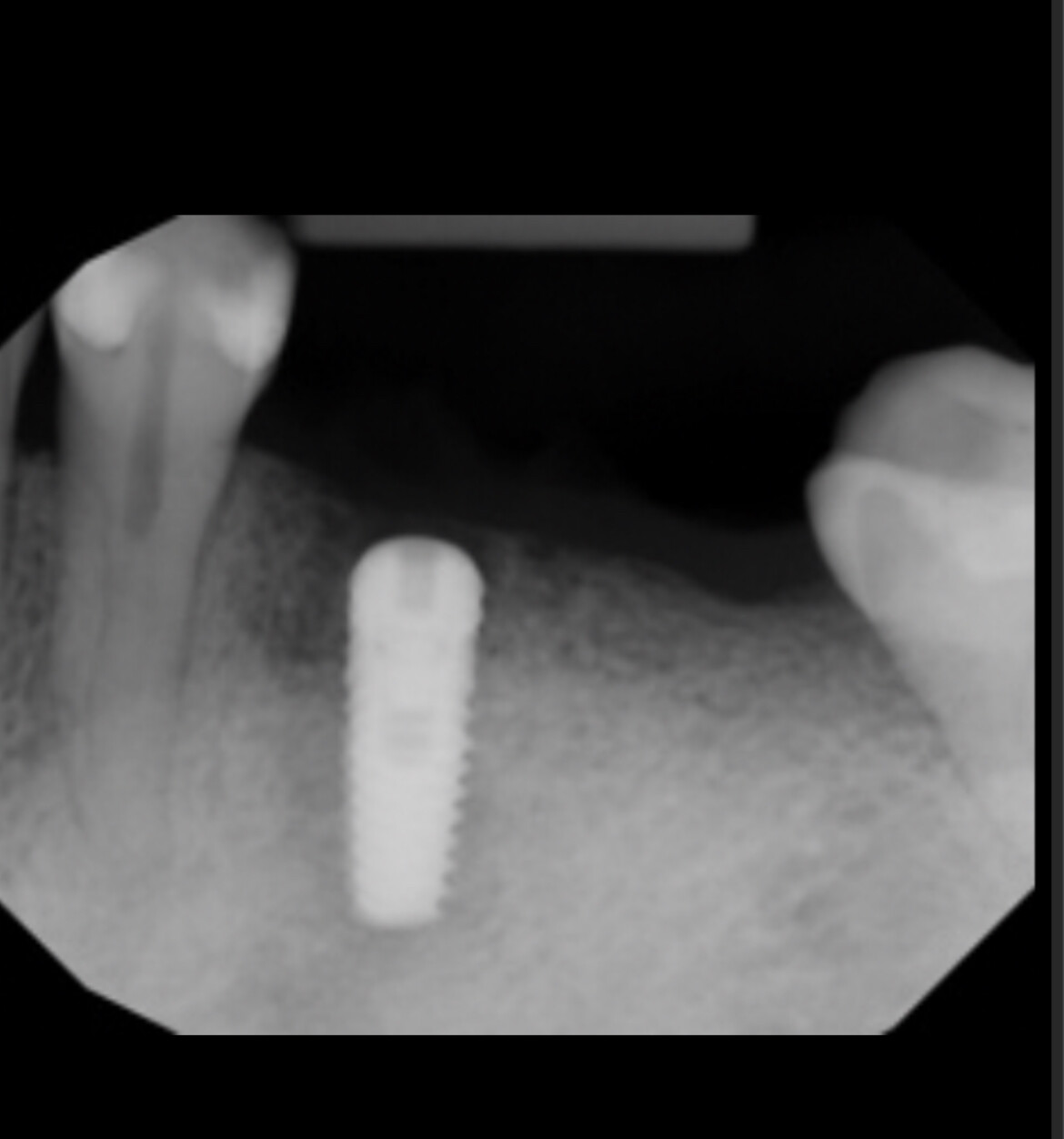
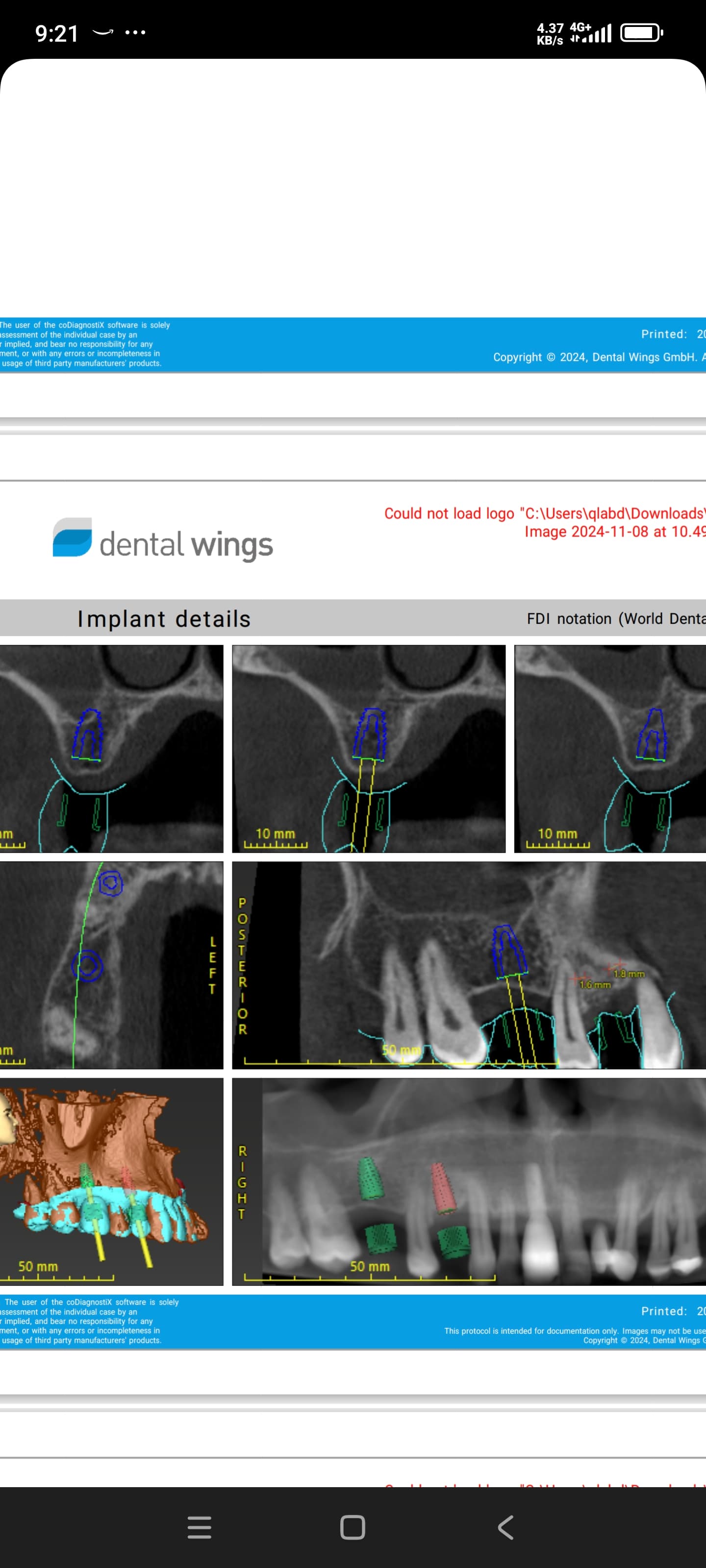
I have had many successful dental implant cases but I have also been very selective in the patients I treat. I have a patient who presented with diabetes (well controlled with drugs) and high blood pressure (well controlled with drugs). I am planning on placing 3 implants in the maxilla. What precautions should I take? Will these medical conditions lead to failure? What side effects should the patient expect? Should I not do this case?
16 Comments on Dental Implant Patient with Diabetes?
New comments are currently closed for this post.
Dr. Mehdi Jafari
8/6/2007
Surgical operation and anesthesia cause a neuroendocrine stress response characterized by increased release of the counter-regulatory hormones such as cortisol, glucagon, epinephrine, and the growth hormone. These hormones, by stimulating the processes of gluconeogenesis and glycogenolysis, rapidly shift carbohydrate, protein, and fat metabolism to provide increased levels of glucose. At the same time, resistance to the effects of insulin increase. As a result, the diabetic patient has an increased potential of developing hyperglycemia and sometimes ketoacidosis in the perioperative period. Hyperglycemia also inhibits host defenses against infection by suppressing many leukocyte functions and delays wound healing due to its detrimental effects on collagen formation. Perioperative management includes preoperative assessment of the patient. Besides the measurement of serum glucose levels, the percentage of glycosylated hemoglobin (HbA1c) test is very helpful in evaluating the efficacy of therapeutic control of the situation. The percentage of hemoglobin in the glycosylated form is a criterion for control of blood glucose levels over a certain time. If the HbA1c is lower than 8%, it indicates that blood glucose is below 120 mg/dL. More scrutiny on preoperative assessment is directed towards the target organs such as kidney, the peripheral nervous system, the retina, and the cerebrovascular and cardiovascular systems, which are highly affected by diabetic microvascular changes. Type 1 diabetic patient undergoing minor surgical procedure and is not fasting should, on the morning of surgical procedure, administer one half of his/her daily insulin dose and should eat his regular morning meal. The blood glucose should be measured preoperatively. If it is between 100 and 200 mg/dL, the implant placement may proceed. If the blood glucose is >200 mg/dL, then a dose of regular insulin is administered subcutaneously. Type 2 diabetic patient undergoing minor surgical procedure and is not fasting (is not sedated or placed under general anesthesia) will be managed by using his/her usual regimen. The implant placement procedure should be performed in the morning and if the patient is well controlled by diet and exercise (HbA1c, 6%-8%); he does not need any other perioperative intervention. Those patients, who are being treated with oral hypoglycemics, should take their normal dose in the morning and eat their routine breakfast.
Dr. Ben Eby
8/7/2007
Controlled Diabetes in no reason to avoid implants. The risk of failure is somewhat higher, but not as high as a lack of patient compliance to instructions.
My experience is Controlled Diabetic Patients loose implants at about the 6 to 8 percent rate. In other words, over 9 out of 10 implants will be successful. This is just about the same percentage of success (failure rate) I find in smokers.
The only precautions I take are to inform the patient of the higher incidence of failure.
With smokers, I do the same, except their risk can be minimized by quiting smoking, at lease for a few days prior and four to six weeks after surgery. With Chantix, I don't see why anyone can not stop smoking forever, if they want to bad enough.
john b dickinson
8/9/2007
I had a patient with diabetes , at the beginning of treatment he was well controlled but this became less controlled after implant restoration and there was rapid loss of bone and eventually the implants, I will now try to make him happy with conventional removeable pros. I would in future only do implants on pats with diabetes if they had a long term history of stability, and perio was immaculate. This means that if they are having opathys anywhere, I would reassess my treatment options.
Marie simoes
6/18/2008
my husband has diabetes, about a year ago he had implants, soon after his lips and mouth era began to swell, the doctors said it is not from the implants but I think it is, since he has had many allergy tests and they all came out negative.
This swelling reoccures Evey 2-6 weeks, it lasts one day and then it goes away.
We do not know where to seek help.
Can you make any suggestions, the doctors are not sure how to treat him when the swelling happens.
Dr. Mehdi Jafari
6/19/2008
Dear lady, if the doctors have ruled out the possiblity of any kind of angioedema (e.g. hereditary type) or any kind of trauma or allergy, then you should look into the medications which are being taken by your husband to control the diabetic condition.A certain type of these drugs which are called thiazolidinediones are sometimes responsible for unexplained swellings of the limbs and other parts of the body.Their key role is to increase the cells sensitivity to insulin.Although the implants seem to be quite far from being responsible for the lip swelling, nevertheless, one can think of a disturbance in the area lymphatic drainage. For last but not the least, have your husband examined by a cardilogist for any clue of heart failure which is often a sequela of Diabetes Melitus.
Dr. B. Alsa'ada
7/28/2008
Dear Dr. Jafari,
I have a pt who have diabetes type 1 (HbA1c is 9), high blood pressure, and coronary heart condition, he is competly edentiolus and wearing a full denture, his complain is that the lower denture is ill seatting, ubon examenation, his lower ridge almost competly resorbed, i have suggested over denture, but i am not sure about the success in that case.
Dr. Mehdi Jafari
7/28/2008
Sir, first of all, your patient's diabetic condition needs to contolled.The heart condition and patient's hypertension can easily be taken care of by his/her physician and the patient's systemic condition may fnally be under control. Neither of the above-mentioned situations will be an absolute contraindication to dental implants. I have not seen the x-rays, but I guess that the patient may need a bone graft at the anterior mandibular ridge area. Good Luck.
R. Hughes
7/29/2008
Not a problem with controlled diabetics.
Srinivasan
12/29/2008
Sir, I have a patient who is about 52yrs old. He is a diabetic. I have examined his Random blood sugar thrice and it seems to be less than 170mg/dl. Should i do any further investigations like HbA1c... He has edentulous right and left maxillary posteriors( missing premolars and molars) and edentulous left mandibular arch( missing premolars and molars). He wants to go only for fixed prosthesis and i suggested him Implants. I have also informed him about the risk of failure due to Diabetes. Should i take any precautions after placement of implants. Maxillary arch seems to be atropied. if u want to see the OPG i can scan and mail you. Please give ur opinion
R. Hughes
12/29/2008
Have the patient get checked out by his physician.
Srinivasan
12/31/2008
No sir, patient is not seen by any physician so far...
Scotty McDonell
3/3/2009
My 89 year old,somewhat controlled type 2, insulin dependant diabetic mother-in-law wants to replace her poorly repaired partial. She is on statins and blood pressure medication. Her long time dentist has retired.
A specialist in dental implants suggested 4 implants and 2 partials at a cost of $20K, or an option of 2 implants and one partial for $9K. After her tests for bone strength we will need to decide which is best for her, neither is really affordable with no insurance. Is a second opinion in order here? Is there a lower cost alternative? She has always taken pride in her teeth and her appearance. I have suggested she ask about a smaller partial or perhaps a bridge to aid in her chewing and smile too. Our family believes in good dental health and we want mom to remain healthy and happy about her life. We realize this type of restorative work is expensive, but is it really what is best at her age and medical circumstance?
Mrs Sami
4/18/2009
I have type 2 diabetes. Excellently controlled by diet and excercise... No medications needed. The body is very well managing. No other medications are used at all. I'm a 53 year old female. General health is very good.
My question is, Iwill dentistry anaesthesia to pull out some teeth affect my blood sugar levels? If so, what should I do before , during and after the treatment of the teeth. Please help. My teeth are very bad.
Many thanks
sergio
4/19/2009
Mrs. sami
Generally speaking, local anesthetics used for dental treatment itself doesn't really affect blood sugar level. There are several different kinds but mostr comon one is 2% lidocaine with 1:100000 epinephrine. If you control diabetes well with sound nutrition and exercise, I don't think you should be worried about it too much. Make sure to eat something before you go for the procedure so that you don't get on blood sugar roller coaster.
norma
4/27/2011
I am looking into implants have diabetes type 2 but a permanent cuspid was removed from the palate and so was the baby cuspid plus the one next to it. One oral surgeon advised me that there would not be enough bone however,the others are telling me it might be possible. Others state that a bridge would put too much stress on the other teeth. My concern is that it will cause me more trouble due to the diabetes which is not controlled very well for the implants.
Natalie
8/16/2011
Hello,
My mother is 62, type 1 diabetes, controlled fairly well. She has hypertension, is in stage 4 renal failure which currently is stable. In addition, she had MRSA 3x in the past 3 years, and was hospitalized last year for Delirium. She has four teeth remaining on the top and currently wears a partial denture. This past weekend the cap covering one of the teeth broke (again) breaking her tooth more. Dentist is telling us he wants to preserve the remaining teeth for as long as possible before going to the full denture. Our thoughts are, if the teeth are bad and keep breaking why not go to the full denture saving money and possible health risk. What are your thoughts? What are the risk involved for her to receive implants vs. just going with the complete full denture?
Thanks for your feedback.