Dr. Steinberg asks:
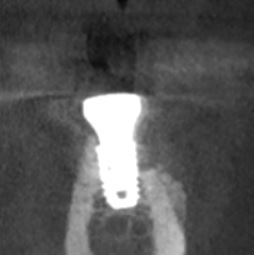
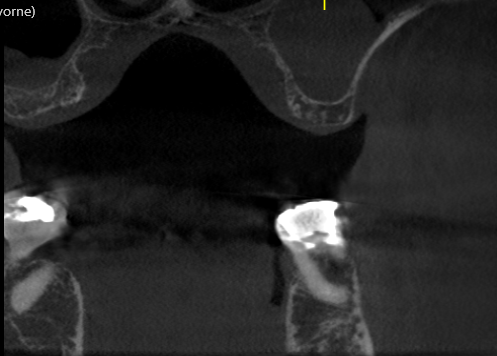
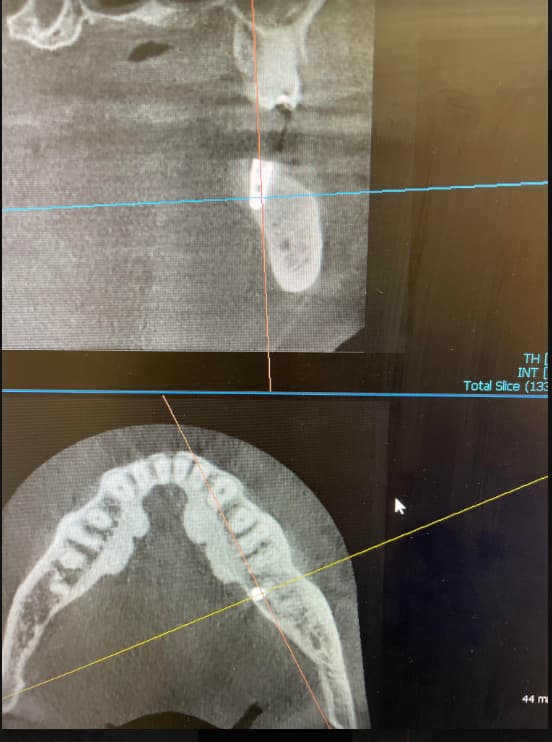
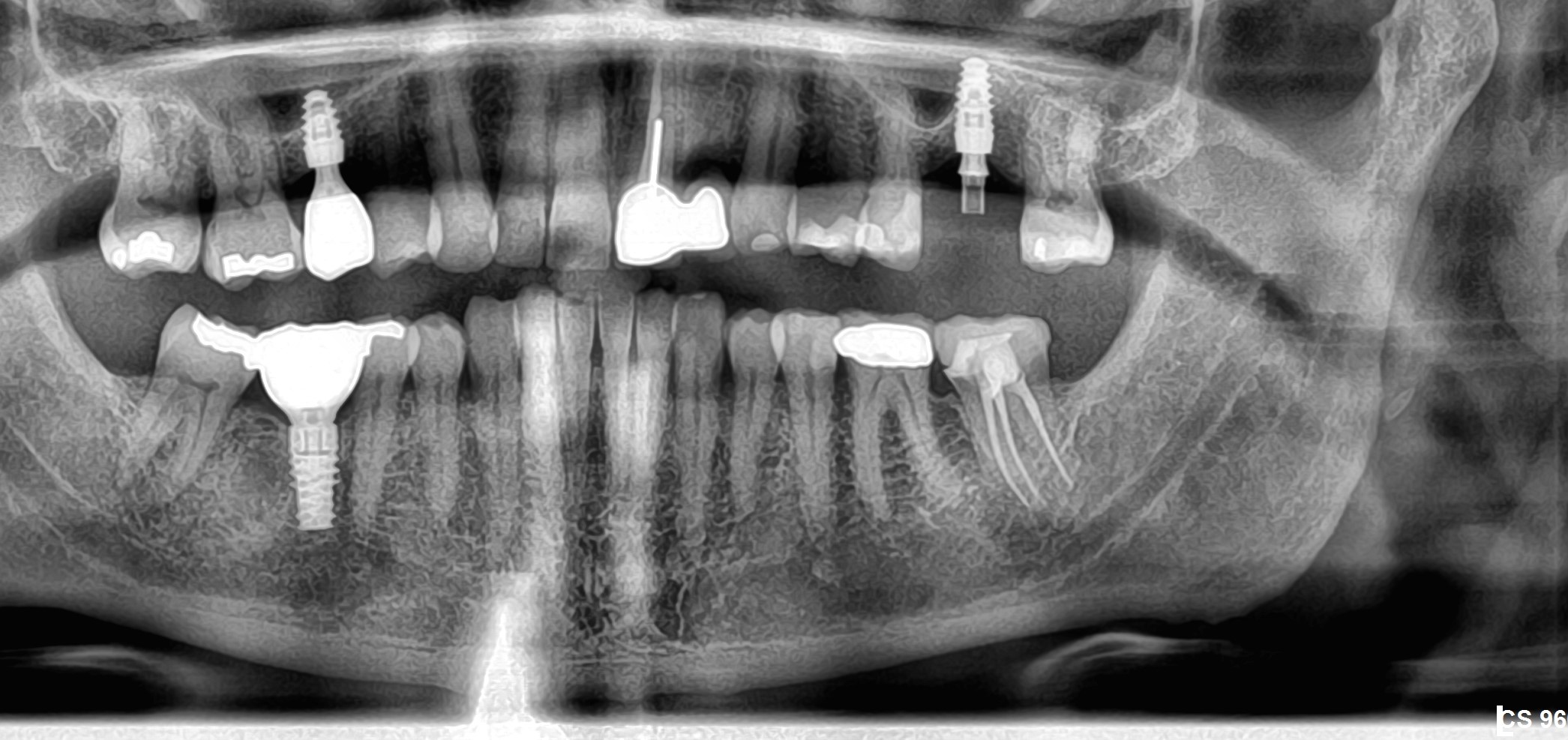
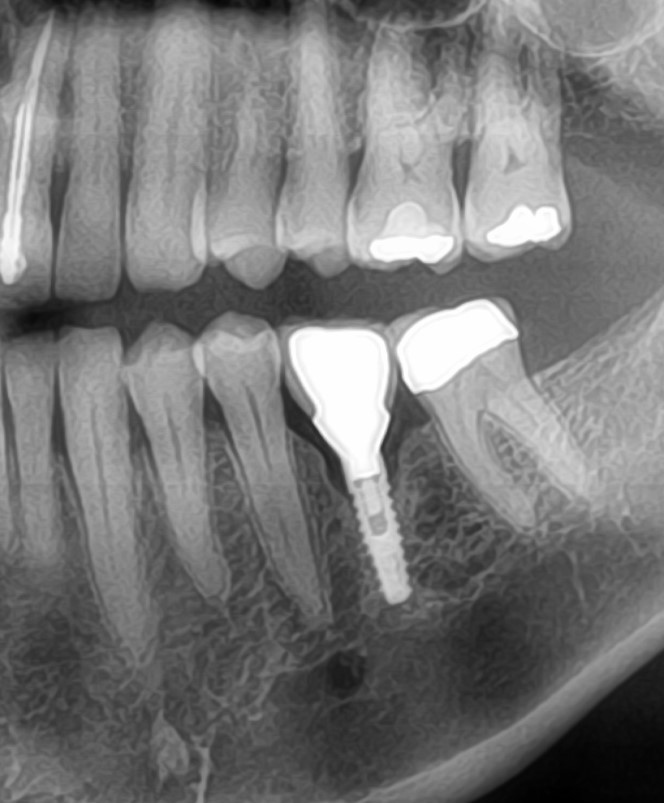
I just started placing dental implants.  I took courses for 5 years before I felt confident to place an dental implant on my own.  The only area I feel I really need to master is using CT scans for treatment planning since I had the following disaster.

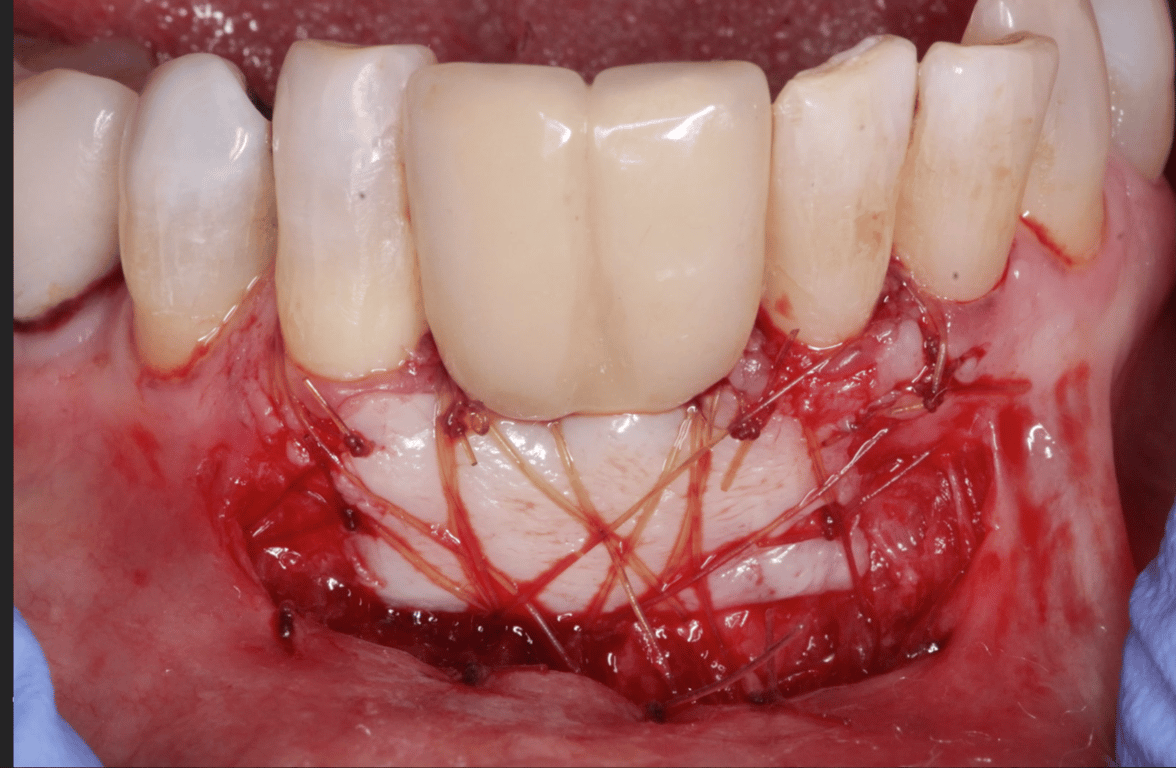
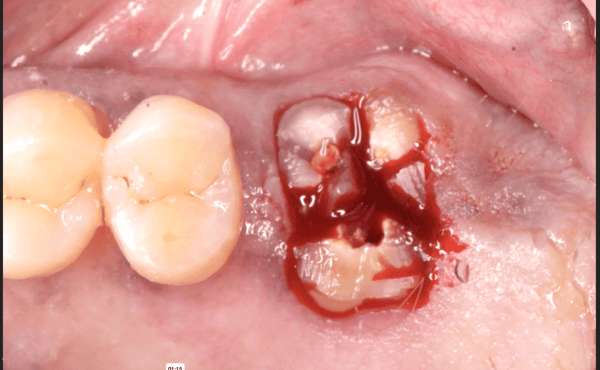
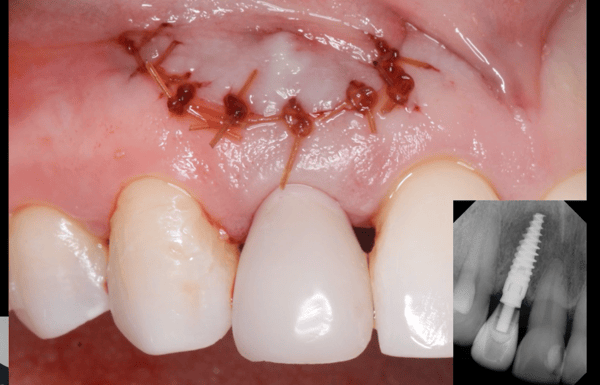
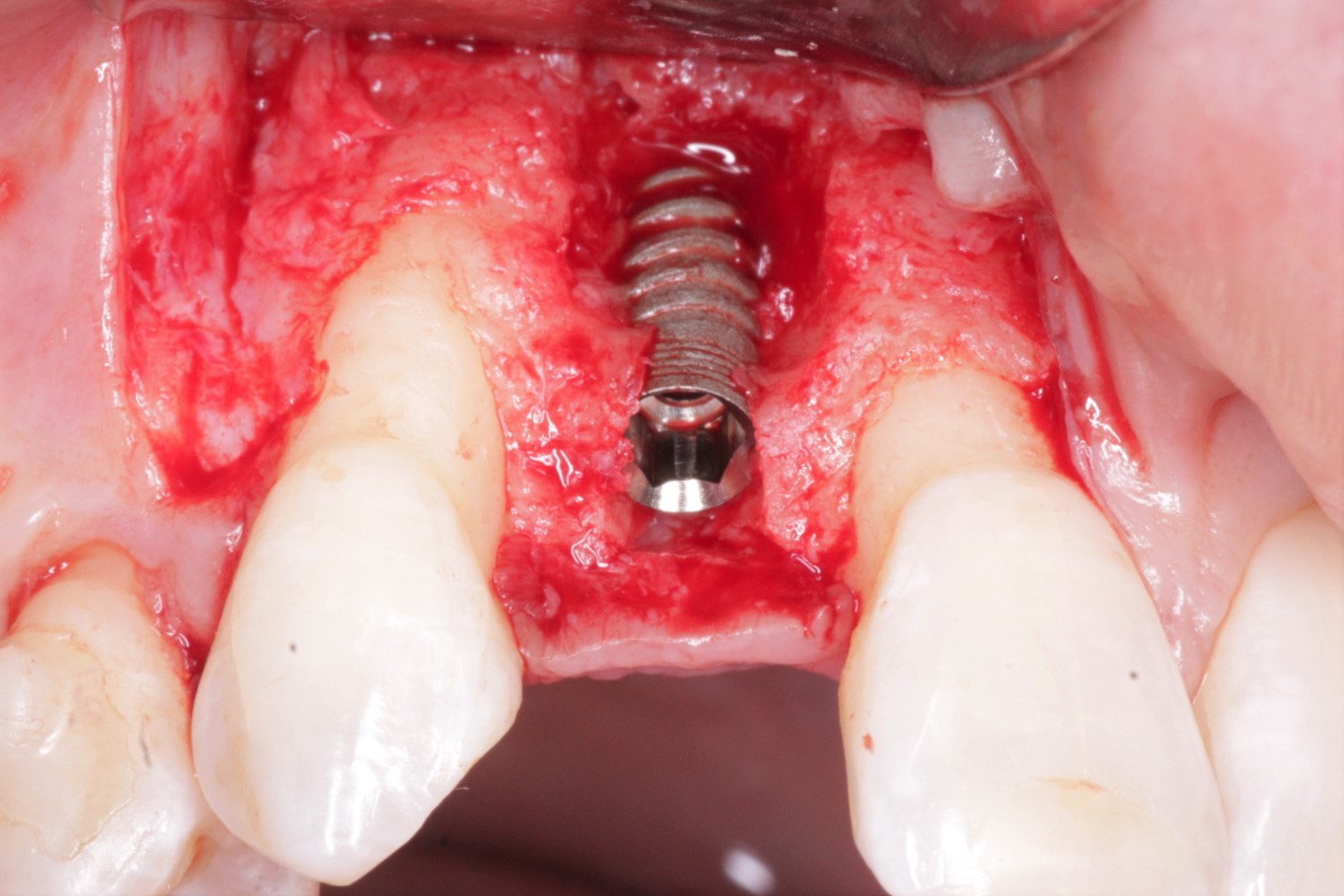
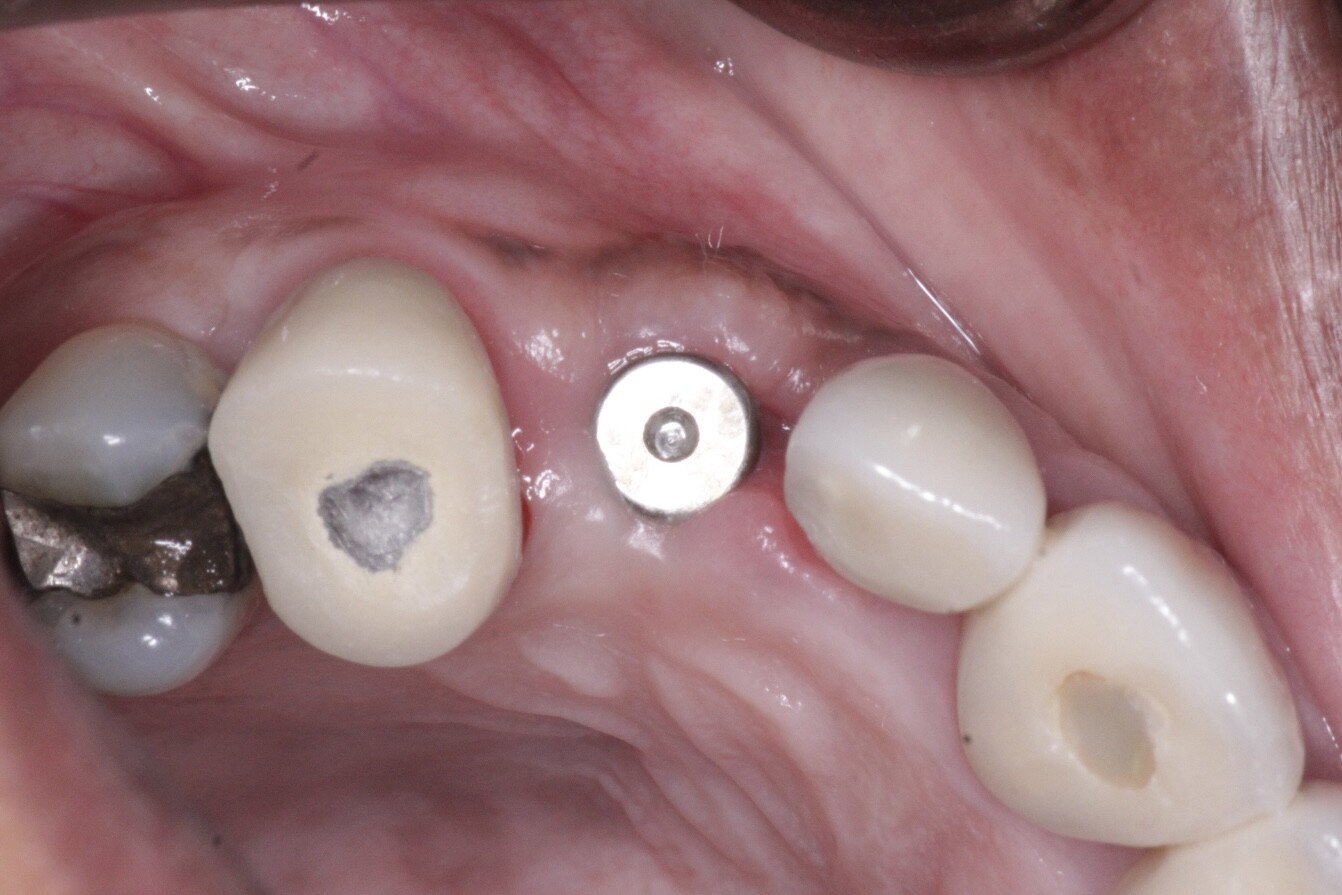
Here is what happened: I was placing a dental implant in the maxillary lateral incisor position and I perforated through the buccal cortical plate when I torqued down the dental implant.  I thought about placing a mineralized freeze dried bone graft and repositioning the flap.  But I panicked and sent my patient over to the oral surgeon.  Did I do the right thing? What would you have done? Thanks for any comments.
Featured Sponsor

Free Daily Email Alert Click Here>>

Get OsseoNews.com Comments delivered daily! Click Here to subscribe.

12 Responses to “ Dental Implant Perforation ”

  • Alejandro Berg July 11th, 2006

    Dear Dr. Steinberg:
    Panic is normal when you meet an unexpected complication.
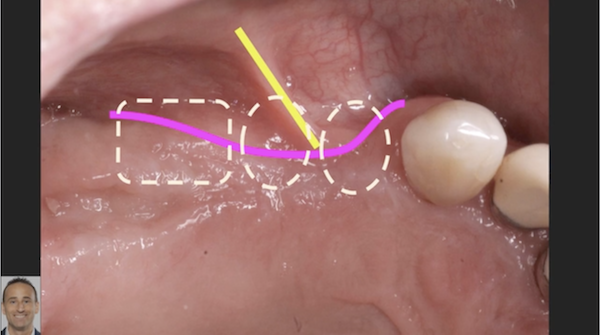
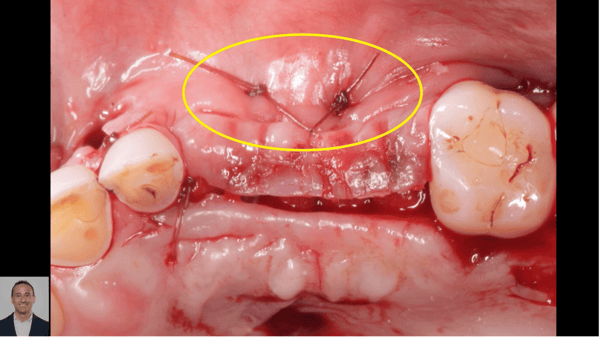
    Your idea of grafting was the right one. Hopefully this was a flapless surgery and if so you just needed to make a pocket by lifting the gum and periostium and using that as your membrane(that is the best there is) and making a really tight packing of material like PUROS or the one of your choice.If this was an open surgery, decortication, graft, membrane and multipoint clossure.

    Then protect the area with a fixed temporary,maybe even a temporary over the implant if you had one loger than 13mm.
    If the oral surgeon is a decent guy you wont have problems at all.
    As a recomendation you should allways have a contingency plan for this and all other problems that you will face if you keep doing surgery, they are a fact of life.
    So just relax and plan ahead

  • satish joshi July 11th, 2006

    What I would do?
    If I can not handle such a minor problem,
    before placing next implant I would get more training.

  • yianni July 11th, 2006

    Sometimes the problem can be solved by placing shorter implant as long as you can get primary stability. Any kind of bone graft will be more effective if it is contained within the perforation (you get the blood supply from every wall except the buccal) than try to gain bone width outside the perforation( you get the blood supply ONLY from the buccal wall). A good way to get your bone craft is by using Mx- grafter or something similar and get it from the adjacent area but of course there are more ways to do that. I definitely agree that this is a minor problem and you should consider some additional training before you do your next case. Of course the CT-scan will make you avoid this error most of the time but not always. Either way it is an excellent diagnostic aid for implant treatment plan. An easy case to start your implant surgical exposure is an upper premolar. I hope that helps

  • TW July 11th, 2006

    In response to Dr. Berg, the periostium is not better than a GBR membrane. Studies have proven that. Otherwise, why GBR at all?

    The questions you would ask yourself are:

    Did I consider the possibility of perforation?

    Did I do all I could to prevent it?

    Did I truely know the local anatomy of this area?

    Did I have the surgical skills to control the drilling and placment to avoid this complication?

    Was I prepared to manage the complication?

    Did I know how to detect the drills coming too close to the buccal surface?

    Without a CT, did I really know the bone width along the path of the implant and the angulation of the planned path in regards to this potential complication?

    If your answer is Yes to any of this, I would suggest that you need more training and experience. I am not saying that you have to stop placing implants, and this complication could happen to the best of us.

  • Dr.Hajiheshmati July 11th, 2006

    Dear Dr.steinberg
    This is a problem that arise from an anatomoc limitation and badtraining in implant dentistry.the buccal bone concavity in the lateral incisors of maxilla dictate a more palatally drilling of fixture site,the second problem is the path of insertion fixture in the area .I have heard from many speakers in the implant course to go prependicular to crest and do not afraid from perforation in the buccal aspect and then use GBR technique!I want to answer this is only true when we ought to use a screw type superstructure because of the height of gingiva or restriction in height

  • Anonymous July 12th, 2006

    Even an experienced surgeon can get a perforation, and even he will feel some anxiety under the circumstances. The difference is that for the surgeon, clinical experience allows them to deal with the situation with more confidence. It sounds like you were insecure due to this unexpected event, but did the proper thing by making the referal. Perhaps taking more hands on surgical courses will enable you to develop more comfort. Regardless, you need to do more supervised surgeries to achieve the skill nesessary to treat your patients. Good luck.

  • Albert Hall July 13th, 2006

    Next time you graft.Panic is normal.Do not forget to update the patient about the complication.

    When you will not be anymore friend with the Surgeon , he will say you are a beast!That is the way we are!

  • David Lambert July 24th, 2006

    Placing implants in the maxillary anterior is probably the most challenging aspect of implant surgery anywhere. You are always fighting for adequate width - even with ridge preservation you will still get resorption.

    In my humble opinion, grafting for small perforations in the cortical plate may be best characterized as “the enemy of good enough is better”. Small little pieces of membrane are difficult to stabilize, raising a flap will strip periosteum from the cortical plate - raising the spectre of resorption - best summed up “no good deed goes unpunished”.

    My approach to small perforations are - and many of you will be aghast - do nothing. Of course it depends on where the perf is, how thick/translucent the tissue is, etc; but I find no difference in implant integration and it avoids the pitfall of resorption with flap elevation.

    As an OMS who does alot of DA surgery, osseous dehiscences are very common in the natural dentition. Why would you flip out when witnessing the same in an artificial dentition.

    Remember - patient has the disease - not the patient.

    Just my 0.02, FWIW. I trust many of you will not agree with this approach.

  • David Lambert July 24th, 2006

    Ooops….sorry….

    I ment to say “patient has the disease, not the doctor”…

    Best

    DML

  • Alejandro Berg August 1st, 2006

    In response to T.W.
    In flapless surgey as I stated yes periostium is best, read some Petrungaro work

  • Pablo September 20th, 2006

    Sorry (bout my english, I´m out of training) In my experience this kind of complications may happen to everyone. I´m maxillofac surgeon and have a master in prosthetics, I think this things don´t happen if you use osteotomes, it´s obvious that every rotation may fracture bone when you approach with drills. Derivation is ok! I think you have to put more implants!!! good luck

  • Anonymous October 22nd, 2006

    I realize that this is after the fact, but just a helpful idea for the next time, CT scan have it read, do you have simplant planner? if not you may want to purchase, use a drill stent, very helpful. best of luck


Leave a Comment

Note: Please refrain from ad hominem attacks, and promotional comments. Outside links are not permitted in comments. Though we require an email to route questionable comments to our editors, we will NEVER publish your email or use it for any other purpose. Thank you for your understanding.

Note: At times your comment may not appear on the website immediately, because it has been sent to our editors for approval. Once approved, we will publish the comment. There is NO need to resubmit your comment, if it does not appear on the website immediately.

Thu August 07 2008

FREE Weekly Email

Keep current on the latest dental implant discussions! It's Free!

>>Click Here to Subscribe to OsseoNews.com Now!


Sponsor