Inadequate Bone Height: Elevate Maxillary Sinus Membrane During Implant Placement?
Dr. C. asks:
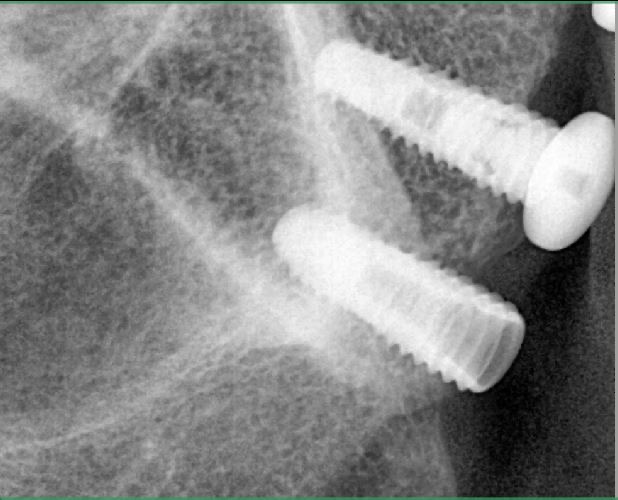
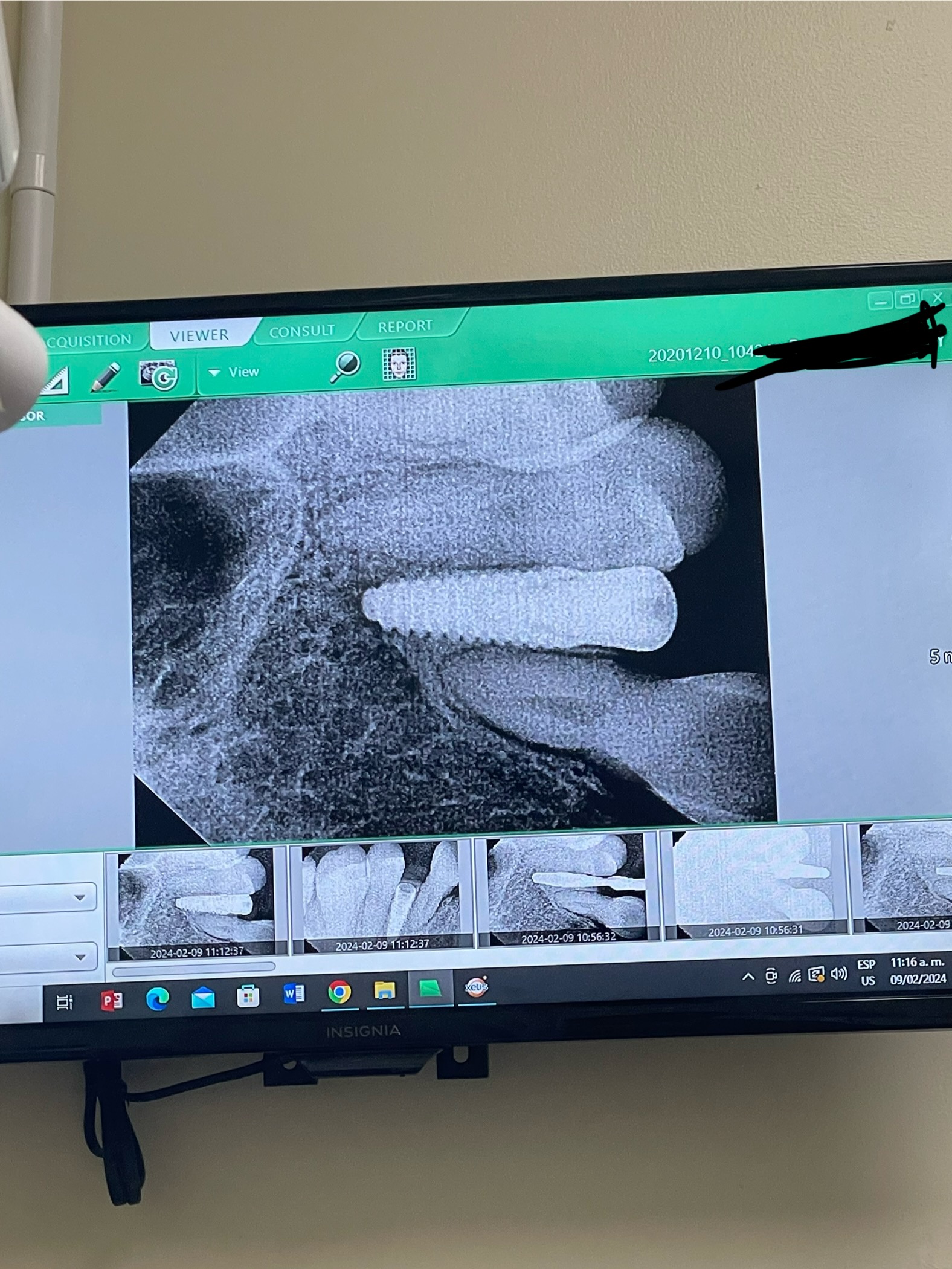
Is it necessary to elevate the maxillary sinus membrane during placement of implants through the floor of the sinus when there is inadequate bone height? In one course I heard that even if the implant perforates the sinus membrane, if there is initial primary stability, the sinus will reform around the implant projecting into the sinus. If this is a predictable outcome, I would rather perforate the sinus membrane then do a sinus lift. What are your experiences?
32 Comments on Inadequate Bone Height: Elevate Maxillary Sinus Membrane During Implant Placement?
New comments are currently closed for this post.
Kimsey
1/2/2008
If that was true then none of us would be performing sinus lifts. I don't know of anyone recommending to routinely place implants into the sinus and then hope all will be well.
Dr K
1/2/2008
This is a great question and one that is controversial. The literature has shown that a 1-2mm perforation will be covered by the membrane. With adequate stability, the implant is thought to be fine. So, with 8-9mm of bone it is an option...
I feel that grafting in these cases by means of osteotome is better since osteotomes will easily achieve an ideal situation. If the patient has chronic sinusitis, or worse yet develops one after implant penetration, it becomes subjected to bacteria apically. If the implant needs to come out, you aren't tearing the membrane causing a OA fistula.
One caveat to this way of thinking includes aiming for 10mm length implant,as suggested by the literature. If you have 5mm of bone and place a 7mm implant...good luck. Plus, sinus grafting is very predictable and routine with long term follow ups showing high success.
My experience is you want to stay away from as many complications as possible. An implant intentionally projecting into the sinus is subject to bacterial elements that can be avoided. I have seen this technique done intentionally, with some implant companies actually promoting it. I don't feel comfortable with it (not in my mouth or done be me)but I wouldn't freak out if I saw it.
Dutchy
1/2/2008
To the suggestion of 5mm bone and placing a 7 mm implant. if we are talking about the same implant (Endopore) then the recommendation is to do a sinuselevation througt the drillwhole or with the osteotomes. Putting in graft material to elevate the sinusmembrane some more and then putting in the 7 mm implant as a plugand in contact with normal bone except at the top!
David Levitt
1/2/2008
Unfortunately our treatment is often dictated by legal, rather than medical, ramifications. If you place an implant directly into the sinus and the patient develops chronic sinusitis or chronic pain you have an indefensible case. Interestingly I opened my new malpractice premium today and saw that it had TRIPLED. That is with a clean record. I called the carrier and they said it is because a large portion of my practice is implant surgery. The lawyers have found a new target. Be careful what you expose yourself to.
Yazad
1/2/2008
You cannot have the implant intruding into foreign teritory and not expect complications, unless of course you R one of those extremely lucky individuals some of whom I have come across.
There is no way I can think of that would avoid the slightest of ingress of bacteria into the sinus from the oral cavity if the memb. tears. Even with the implant placement rpm the margin of the osteotomy will carry some debris into the sinus which would cause trouble later on.
Go ahead n do a lift , if you are diffident with a lateral wall approach then do a Summer's technique but PLEASE DONT FORM A HABIT OF PERFORATING THE MEMBRANE. Thats in your best interest.
Any queries, please write, I'd be glad to reply.
Regards
prof.Dr.Dr.Hossam Barghas
1/3/2008
perforating the sinus membrane means high risk of sinus infection if the patient is already free of sinsitis(which should be).actually it is true that it is not affecting the implant regarding load distribution as most of the load is distributed on crestal 1/3 of the implant.
ther is no enough information about titanium & bacteria in the sinus,but still thispatient can catch sinsitis for any other cause.
the other thing if for any reason implant failed,then you r confronted with oro-antral fistula
Ziv Mazor
1/3/2008
Perforating the sinus membrane intentionally instead of performing sinus lift is of course a contraindication.Penetrating the sinus might lead to complications mostly sinusitis.
Why on earth one would deliberately perforate the sinus?If you don't know how to perform a lift I can advise you with some courses...
dr.med.,dr med dent Aless
1/4/2008
in my experience with round nose implants, like thats i use in Italy (one piece implant) , and carrying contemporarely graft material like Biocoral, you can elevate very gradually the sinus membrane for some mm. with any damage and you can control finally with an endoral Rx if you exposed the sinus because Calcite and such materials are dispersed or not in the sinus hole.
The consequences are minimals if you take littles precautions.
Robert J. Miller
1/6/2008
The incidence of perforation during implant placement and simultaneous implant placement is probably higher than reported in the literature. I have found, in the patient free of sinus disease, there is little probability of sinusitis as a result of this event. But if there is no chance for an increase of bone height, there is no advantage of placing the longer implant. I advise my residents to confirm sinus integrity by placing a radioopaque graft material (i.e. bTCP), confirming the encapsulation by radiograph, and then placing an implant to the new height created. If there is evidence of extravasation of the graft into the sinus, either place a shorter implant or come back another day after complete healing.
Dr. Mehdi Jafari
1/7/2008
Histological studies of sinus augmentation procedures have shown that the new bone forms endosteally from the sinus bony walls irrespective of the grafting material used or even at their absence. In accordance with the principles of guided bone regeneration, studies have shown that bone will also form when only a blood clot is present underneath an intact sinus membrane that is left to rest on implants protruding into the sinus cavity. Several investigations have shown that the success rate for non-grafted sinus implants inserted in patients is broadly similar to the success rate observed for conventional implants inserted in grafted sinuses. When placing implants at the posterior maxilla, sometimes the thickness of the antral floor or the alveolar bone height is so low that the implant will necessarily protrude into the maxillary sinus cavity. The drilling process or even the implant insertion may unintentionally lead to Schneiderian membrane perforations. If the sinus has been grafted and the perforation properly sealed off by a collagen membrane, minor perforations do not seem to play a significant role in the clinical outcome. However, if there is no grafting material on premise, it appears that the size of the membrane perforations relates to the prognosis of the implants placed. Some clinicians have found no relation between membrane perforations or postoperative complications and implant survival while the others believe that the size of the perforation correlates with implant failure and the larger perforations represent an absolute contraindication to the continuation of surgery. One should keep in mind that the emerging tip of an implant which is situated in the maxillary sinus through a Scneiderian membrane perforation, may act as a nidus for bacterial colonization and future sinus empyema.
Dr SS
1/7/2008
The logic of perforating the membrane deliberatly is COMPLETLY flawed!
Inspite of the possibility to repair and varying outcomes in the literature there is no possible advantage to this.
s-yaghobee
1/8/2008
I completely agree with Dr. Jafari. Although there are a lot of controversial opinions in respect to sinus lift procedure ( in technique , material or out come aspect )and even in some researches ,formation of new bone on the implants which perforated the schneiderian membrane and have been left without using any graft, has been observed (Boyne 1993)but it is not advisable to perforate schneiderian membrane intentionally and it is better to use one of techniques which have been recommended to manage such situations to improve the prognosis and prevent of probable complications
satish joshi
1/8/2008
As Dr.Miller questioned,what is the advantage of perforating membrane and pushing implant in to sinus?
10mm Implant with 5mm of it protruding in sinus is as good as 5mm implant with extra burden of extra complications.
It is like placing a 2 inches long nail in 1 inch wall and wrongly expecting better result.
Joe
1/10/2008
Having read posts on sinus lifts for months, I have yet to do one. I have the cases on which to do them coming up.
Is it better to place graft ahead of the ostotome or a BTI expansion drill, or is it better to break the final bone before placing any graft material?
OR can one create the osteotomy up to the sinus and place graft material, say btcp, in the preparation and force the graft material up by screwing the implant in, breaking through the last bone forcing the membrane up?
Thank you.
Joe
Peter Fairbairn
1/14/2008
Well said Satish,with regards to Joe once you start things get easier, better to use a lateral window Cauldwell-luc approach as it is easy to see where you are and can carefully raise the lining especially where there is less bone.Osteotomy expansion to raise the sinus floor are better with about 8 mm of bone.
SeaMentum
1/19/2008
I agree with the comment of Dr K. It is hard to say one way is wrong but we should aim for predictability in our procedures. Most experienced surgeons will tell you sinus elevation is easy and safe. Puncturing an implant through the sinus may be easy but may have its pitfalls in the longterm. Plus, what's the point of even puncturing the sinus? just place a shorter implant since the portion in the sinus is unsupported anyway. Right?
Luc
6/13/2008
I think a lot of the earlier discussions are inspired by medicolegal issues. I am currently working in Belgium and do not have the same medicolegal threaths. I am surprised by the discussion above. I really never close a tear in the schneiderian membrane. I have an experience of deveral hundred cases of zygomatic implants and long implants put in the pterygoid plates and skull base (for very severe maxillary atrophy) and I have very few chronic sinusitis problems. (I guess an incidence of 2/100). Although I know for sure that the sinus membarne is teared, because I use drill guides and transmucosal drilling and implant insertion without flap elevation. If however one of the patients has sinusitis problems I ask for assistance of an ENT surgeon who, if pharmacological treatment is unsuccesfull, will peroform a meatotomy or widen the canal between nasal cavity and sinus, which resolves the problem.
Dr SDJ
7/13/2008
Boy how does it sound? "I am going to have an ENT operate in your nose because what I did in your mouth wasn't satisfactory."
Sorry to sound mean, but explaining retrospctively to patients is tough.
R. Hughes
7/13/2008
Bone will grow and cover (up to 4 mm.) an implant that has perfed the sinus membrane.
R. Hughes
7/13/2008
Do not jump out of your socks because you have perfed the membrane. Check out the work bu Boyne and Lozada at LLU, the JOI etc.
Chan Joon Yee
8/23/2008
MegaGen Rescue implants have a surgical protocol that recommends drilling through the sinus floor with a trephine bur. However, the implant that is subsequently placed must be a short implant that does not protrude into the sinus. Hence, only wide and short implants will work. Maybe that's why it's called the Rescue implant.
Sinus lift is definitely indicated if the bone is 5mm and you want to place a 10mm implant into the sinus. If you have perforated the membrane while drilling through the 5mm bone, then placing a 5mm implant to plug the osteotomy will work in most cases.
Kate
9/29/2008
My husband has chronic sinusutis and had an implant placed this year at 14 (UL first molar) region. ENT specialist investigating the sinusitis noted the implant has perforated the sinus. He is now experiencing problems with the 12 and 13 (UL first and second bicsupids) with pressure and cold. The endodontist wants to root fill the bicuspids and the oral surgeon wants to expose the implant and continue with the prosthetic. ENT wants to do surgery to clean out the sinuses. Any thoughts?
dr. sakr
1/29/2009
plz dr. LUC can you explain more about ur zygomatic implants and how u do them without flaps???
Alicia Levy
2/18/2009
I had sinus implants put in 2005, they go right through the sinus cavity...after they were unburied i got a serious infection.They had to remove the implant while it absessed. I have sinus surgery later and 5 weeks later got another infection...I now have so much scar tissue that was left after the surgery...I now live sick with sinus infections..I am told that there is nothing that can be done..Is there anyone out ther that can tell me what I can do not to live sick...This is no way to live....Thanks...anyone out there, PLEASE HELP ME>>>>
Peter Fairbairn
2/18/2009
Do you know what was grafted into your sinus was it your own bone or donor material such as cow bone or human donor bone?
Rose
11/23/2009
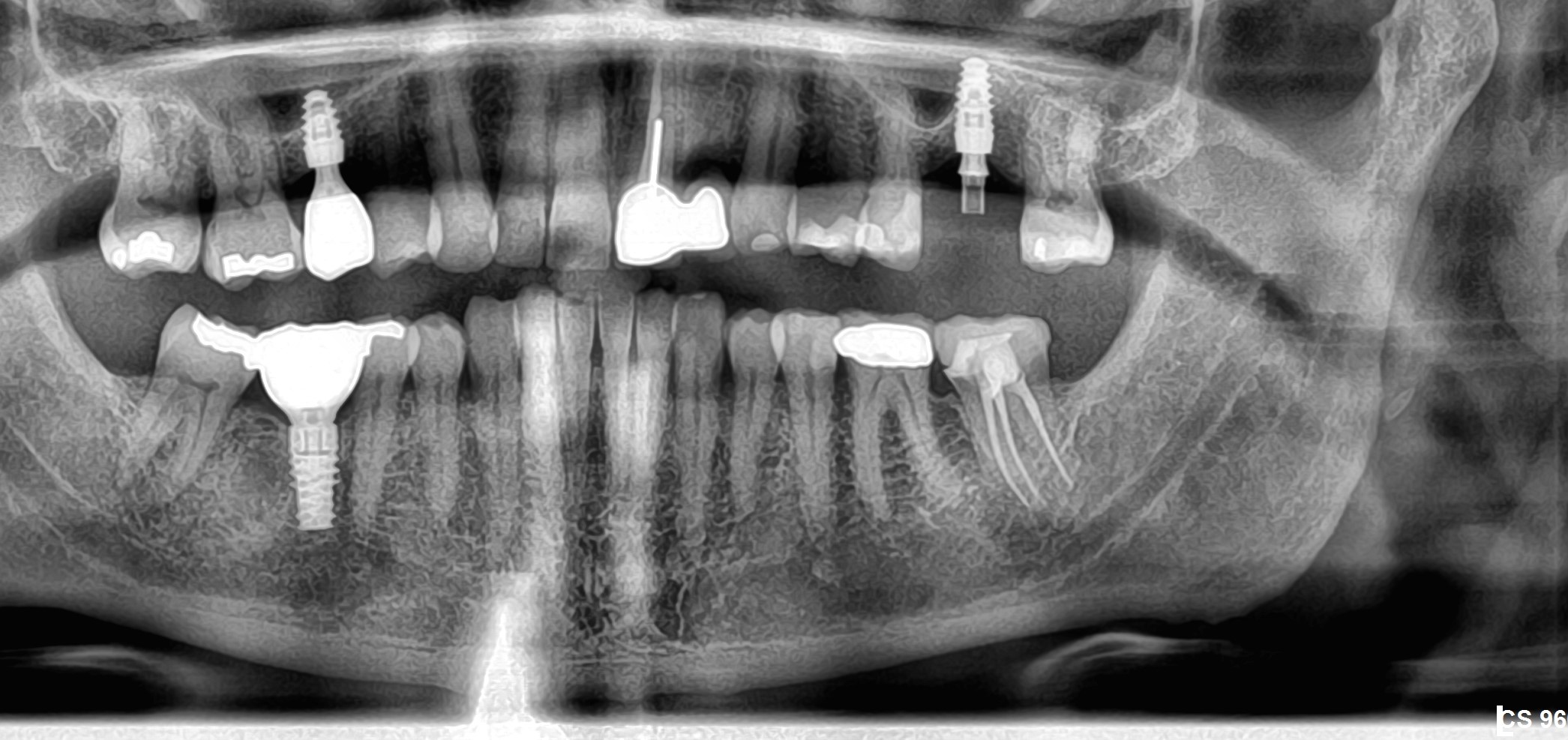
I have an implant that was done Dec 2008 -- number 14. I had a lot of bone and yet the oral surgeon special ordered a long implant and just saw the x-ray for the 1st time today at another dentist. The implant is protruding into the sinus cavity. I have had sinus pressure and pain for a year since the surgery. I did not continue with the abutment or crown because of the pain. It's a nagging burning pain. I have been thinking it was number 13 causing the trouble because I have gum inflamation around that. Now, I think it's because the implant is protruding into the sinus cavity. The oral surgeon is one who does not believe in explaining things like this. I am furious. Afraid to have it out and money is an issue. I would never go back to him to remove it. I checked for months to find an oral surgeon I thought would be ok and he was not. I had a periodontist offer to do it for me but the oral surgeon had already ordered the implant so I went ahead and stayed with him. HUGE MISTAKE. I've been back to him 3 times telling him I have pain and he just says it all LOOKS GOOD. Please stop this procedure of perforating the sinus. That is ridiculous. What can I do now? That jaw area has had a lot of trauma due to root canal, root canal failed, jaw scraped, extraction, and then implant which is now lodged in the sinus. How does one get the money to pay to correct something like this and it could cause more complications. I also have a deviated septum in the left nostril.
Roland Balan
11/24/2009
If a chronic infection is inherent to the sinus then problems will inevitably appear. They will appear with grafting by sinus lift as they will by perforating the membrane without grafting. Either immediately or delayed. The status quo of the sinus is the issue.
To avid legal trouble:
For forensic reasons the patient should be free of inflamatory process. We should not perforate the membrane and be able to prove that we didn`t.
One possibility improving the sinus lift is preparation by fluids and final measurement to ensure no perforation has occured for forensic documentation. For details see pictures experimental approach.
(written in german)
http://www.zp-aktuell.de/praxis/story/sinprep-ein-vorschlag-fuer-die-optimierung-des-sinuslifts-teil-2.html
Many problems as the reported by patients on this page are caused by the reaction of the grafting material.
As a question: wouldn`it be good if a collagenous sponge would just keep the membrane lifted ?
It shall resorb without extraneous reaction leaving bone around the implants. No scar- no pain !
No perforation- no contact to infection within sinus !
sergio
11/24/2009
Rose, I would go see ENT and rule out other differentials that could be coming from deviated septum or other sinus issue. The fact that pain started after the implant placement sure is convincing that'sthe cause. But sinus looks more conical as it drops down towards root areas of upper molars. It couls look like the implant is in sinus and in reality, it's not. Any doctors /dentists who don't really study human anatomy much will just tell you that it's in the sinus when it's not. So, first thing, I would suggest to rule out other possible causes before narrowing down to implant as a source. Just an opinion.
Rose
12/1/2009
Sergio --- Thank you for your response. Actually I have been thinking of going to an ENT. Thank you for suggesting that and so I will take your advice and make an appointment. Would be nice to know for sure. I did go to another dentist a week ago and he showed me the x-ray and I asked if the implant was in the sinus, and he said, "Yes, but so what. It's just an empty cavity." I believe the Oral Surgeon I went to is also a medical doctor. I can't understand why he would think it's okay to perforate the sinus cavity. I do have a deviated septum but it's on the 'other' side from the implant. The implant side was my 'good' side.
Rose
12/1/2009
In my initial post I said I have a deviated septum on the left side -- that is wrong -- it's on the right side. The left side was the good side.
One more question, "Can a cracked root cause similar symtoms to what I listed in my first post? I wonder if the root on nbr 13 is cracked? I had to have the bone scraped on that due to hard lump at the gum line and infection. Had a crown placed and it was so tight that when that dentist removed it after trial placement I heard a loud popping noise. After that nbr 14 abcessed and so forth and so on. Then nbr 13 also got the same knot at the gum line that nbr 14 had. Dental issues is so much guess work since x-rays do not show everything. I have found that many times, at least 5 times in my life, x-rays did not show the issue until the infection was so bad that my face swelled up. That is for 'old root canal' issues. Is there anything new that shows more than an x-ray?
Auke van der Meulen
1/22/2010
I placed an implant 10mm as per my presurgical planning.
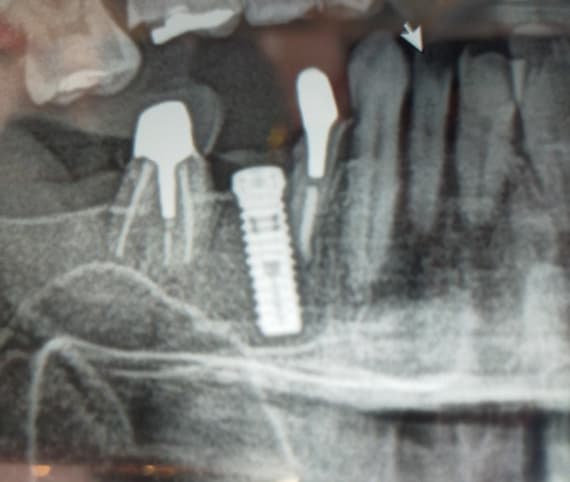
Preparing the ossteotomie I could feel the drill slip into the sinus. I then proceded and prepared it shorter and placed the implant. On post surgical x-ray I can see that the implant is 1-2mm into the sinus. Do you think I should leave it or should I go back and place a 8mm implant? Worried as I am not sure if the membrane is punctured. Comments please!! 15 area
Mircea Stapanoiu
1/25/2010
99% membrane is punctured, sooner or later complications will arise, according to the literature on this topic.Happened to me couple of times, still no complications (oldest - 4 years).provided miss Schneider was in good health, your technique aseptic and patient in good condition, you can leave it there and hope for the best....