Oral Bisphosphonates
Posted in Dental Implant Contraindications Oral Bisphosphonates
« Dental Implants and Bruxism | One Stage Implant Problems »
Dr. Jeffries asks us:
I’m trying to get a barometer on the
prevailing opinion for dental implant placement on patients taking oral
bisphosphonates (Fosamax, Actonel, etc.)
I’ve placed them in a number of these
patients and have seen no problems, nor have I seen any published reports of
osteonecrosis associated with dental implant placement in these
patients.
What are some other surgeons’ philosophy when it comes to this
controversial topic?
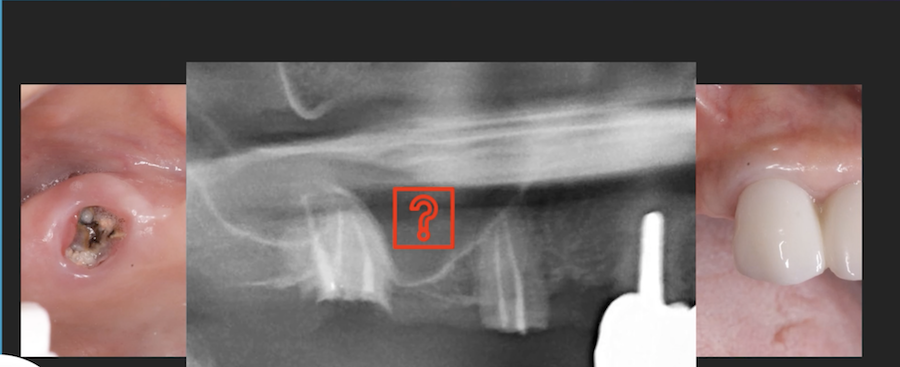
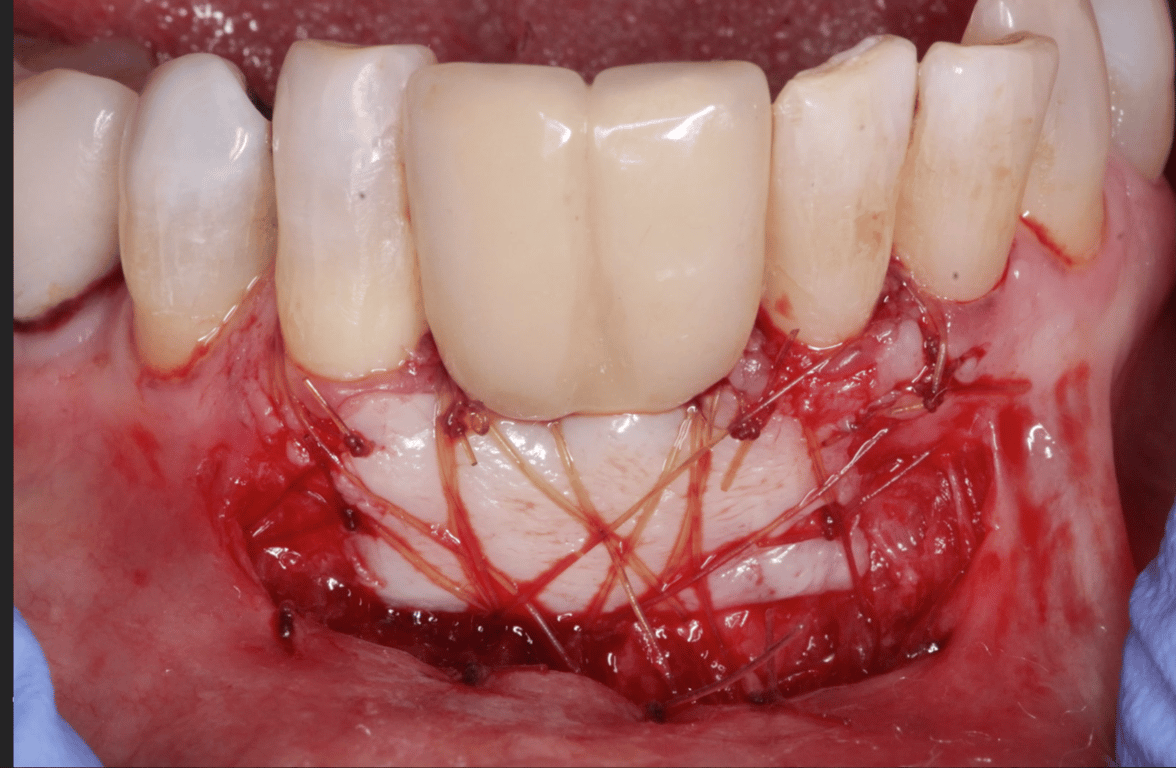
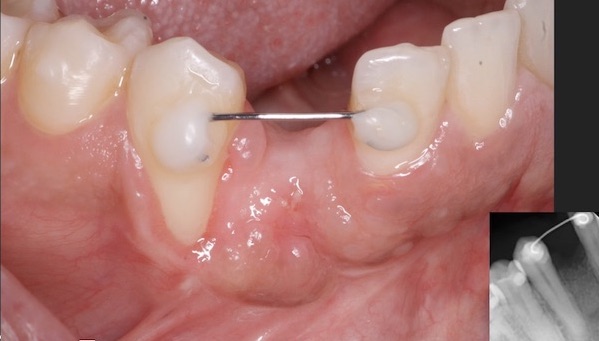
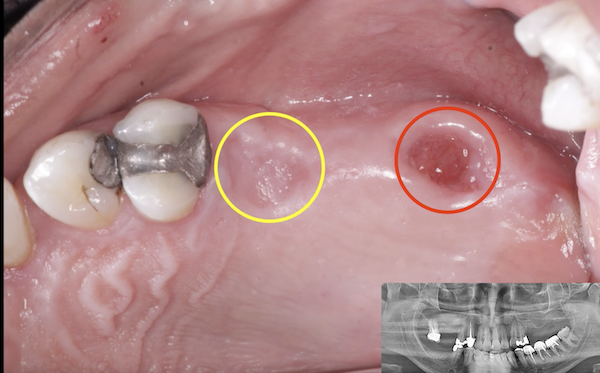
Subscribe to this Post
I personally believe there is no contraindication of performing routine oral surgery on someone who has been on Fosamax.
Look at the numbers, 350 or so cases in over 45 million prescribed users… someone run the math but to me, its a chance that I will take after getting informed consent. It’s like saying the oral surgeons wont take out wisdom teeth because of possible nerve injury (1-4% complication rate).
So, obviously there are certain guidelines that will help us clinicians to avoid ONJ prone cases such as age?, bone density?, length of Fosamax prescription?, and possibily co-morbidities which affect bone metabolism. The parameters of which I leave up to the clinical research colleagues who never get enough credit.
Practicing in Florida, it seems that every post-menopausal woman is on a bisphosphonate. We routinely do implant procedures (all other factors being managed) and have never seen any of the post op complications being described. We do not dismiss this as a potential issue, but always get medical clearance for EVERY patient prior to surgery. Multiple significant medical problems WITH Fosamax would certainly give us pause.
Risks for bisphophonate-induced exposed bone are related to: -the stereochemistry of the nitrogen side chain, -the cumulative bisphosphonate dose, -the duration of therapy,- the presence of medical and dental comorbidities,- the presence of pre-existing dental disease, and invasive dental procedures. -IV or per OS the risque exists Given that +it has a half-life of more than 10 years, +the current widespread use of Alendronate to prevent or treat early osteoporosis in relatively young women and+ the likelihood of long-term use as well as+ the ubiquitous presence of dental disease in our society gives us cause of concern.thats why prevention is the best treatment for onj and patients should be dispached to a dentist ,doing all the predisposed factors and than doing any surgery.
I think it is time that the dental and medical communities
join together for the common
good of the patient… 75% of
the world has some form of periodontal disease and the
relation to cardiovascular, respiratory and birth is only
growing stronger.. medical doc’s should refer all patients for for dental clearance prior to placing them on bis-meds..